
by IdeogramImageNew
Ideogram Character
One portrait keeps the same face and hair across new scenes and masked edits
- Up to 4 per run
From 80 credits per image≈ $0.08· Create Image · Turbo
What is Ideogram Character?
Ideogram Character is Ideogram's single-reference character model, released in July 2025. You give it one portrait and either describe a new scene for that person or lay a mask over an existing picture, and it draws the same face and haircut into the result. It offers Turbo, Balanced and Quality tiers and Auto, Realistic and Fiction styles.
Best on PopNow for: Casting one fictional lead across a set of scenes, and dropping that person into a location photo whose light you already like.
Good for
- Casting the same fictional lead across a run of scenes: a lighthouse, a glass workshop, a flower stall
- Adding a person to a location photo you already like, through a painted mask
- Story frames, styling drafts and comic panels that need one recurring face
What Ideogram Character does well
One portrait, many roles
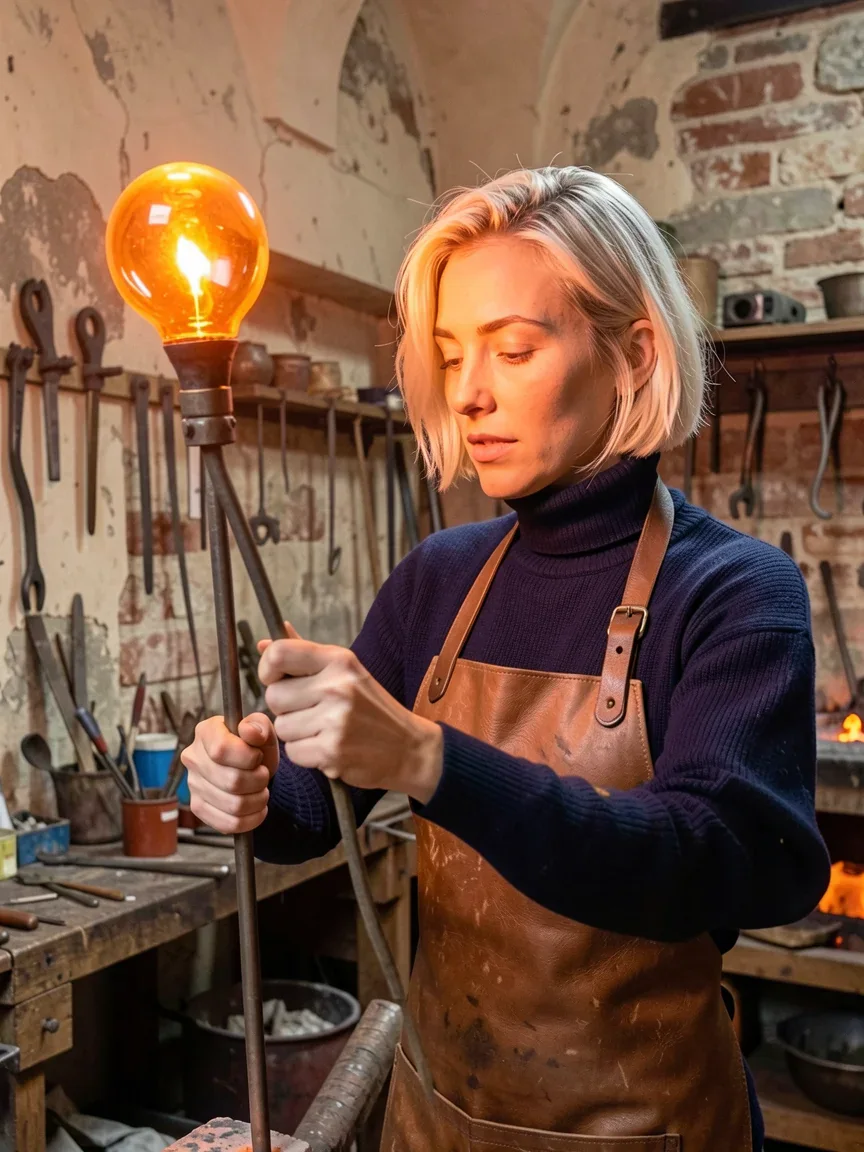
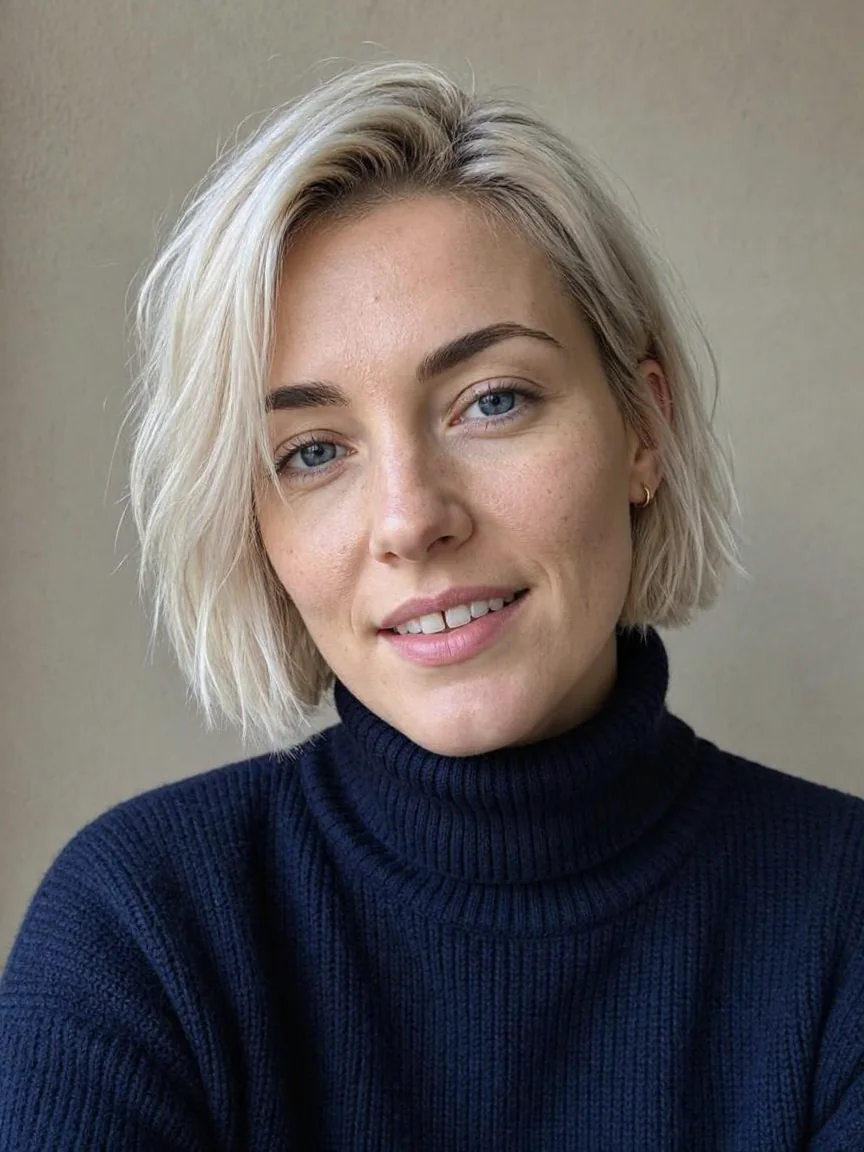
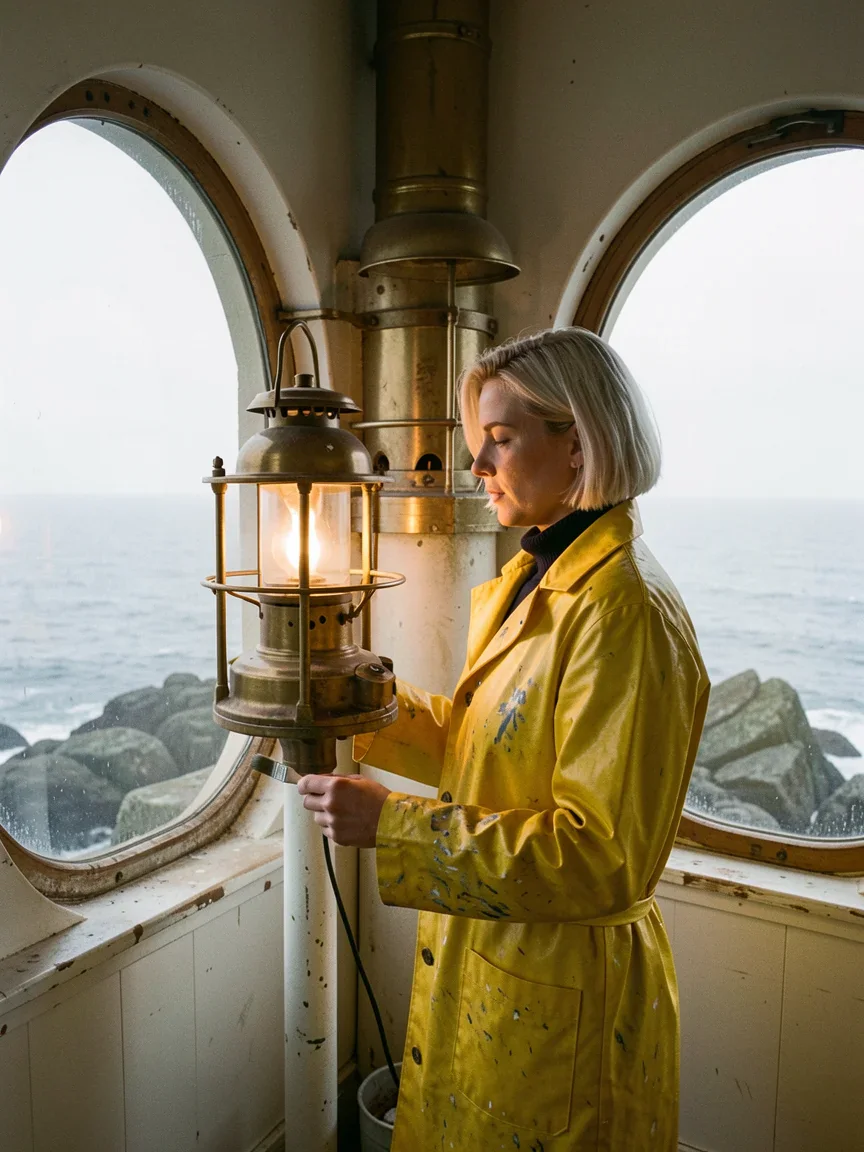
In our tests on PopNow (November 2026) we used one portrait of a fictional woman with a platinum bob, dark straight brows and a navy turtleneck. Reimagined as a Venetian glassblower and as a lighthouse keeper, she kept the cut and the brows, and the furnace glow landed on her face where the prompt put it. Both scenes came back at 864 by 1152, the same size as the reference.
Masked edits borrow the scene's light
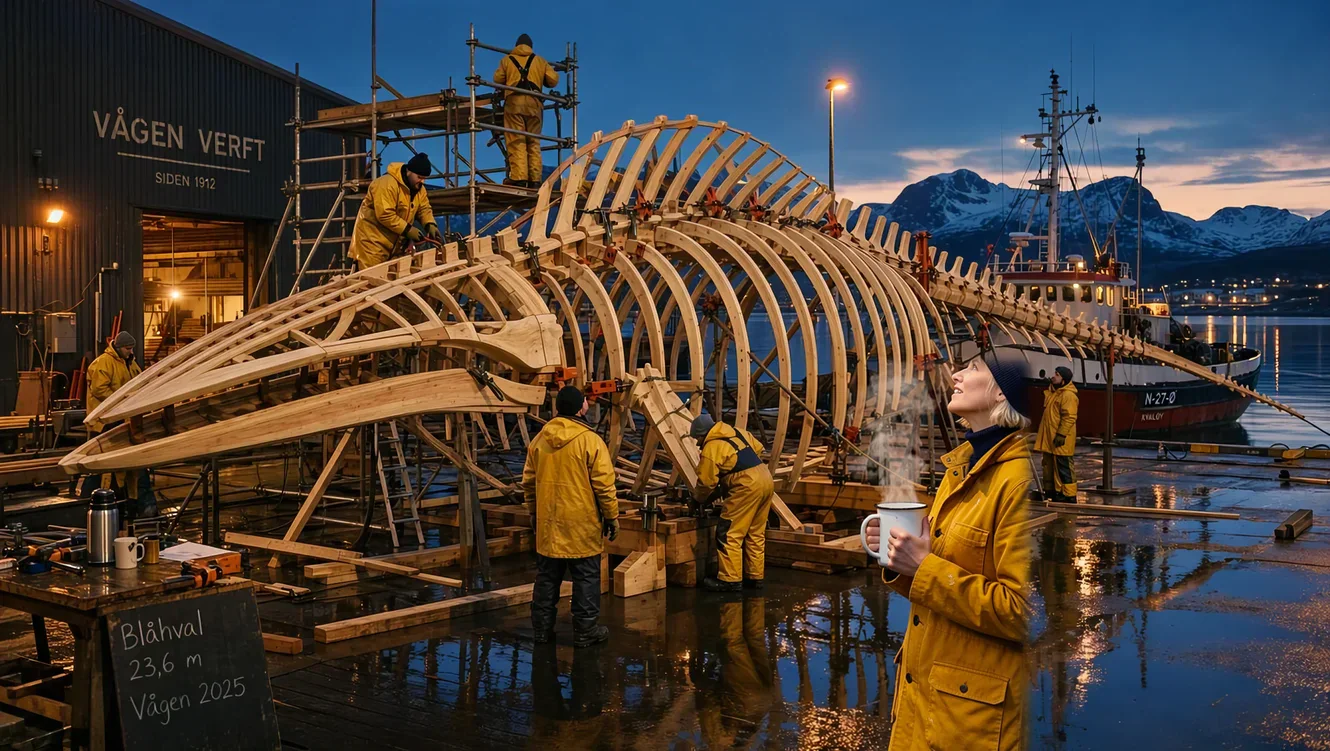
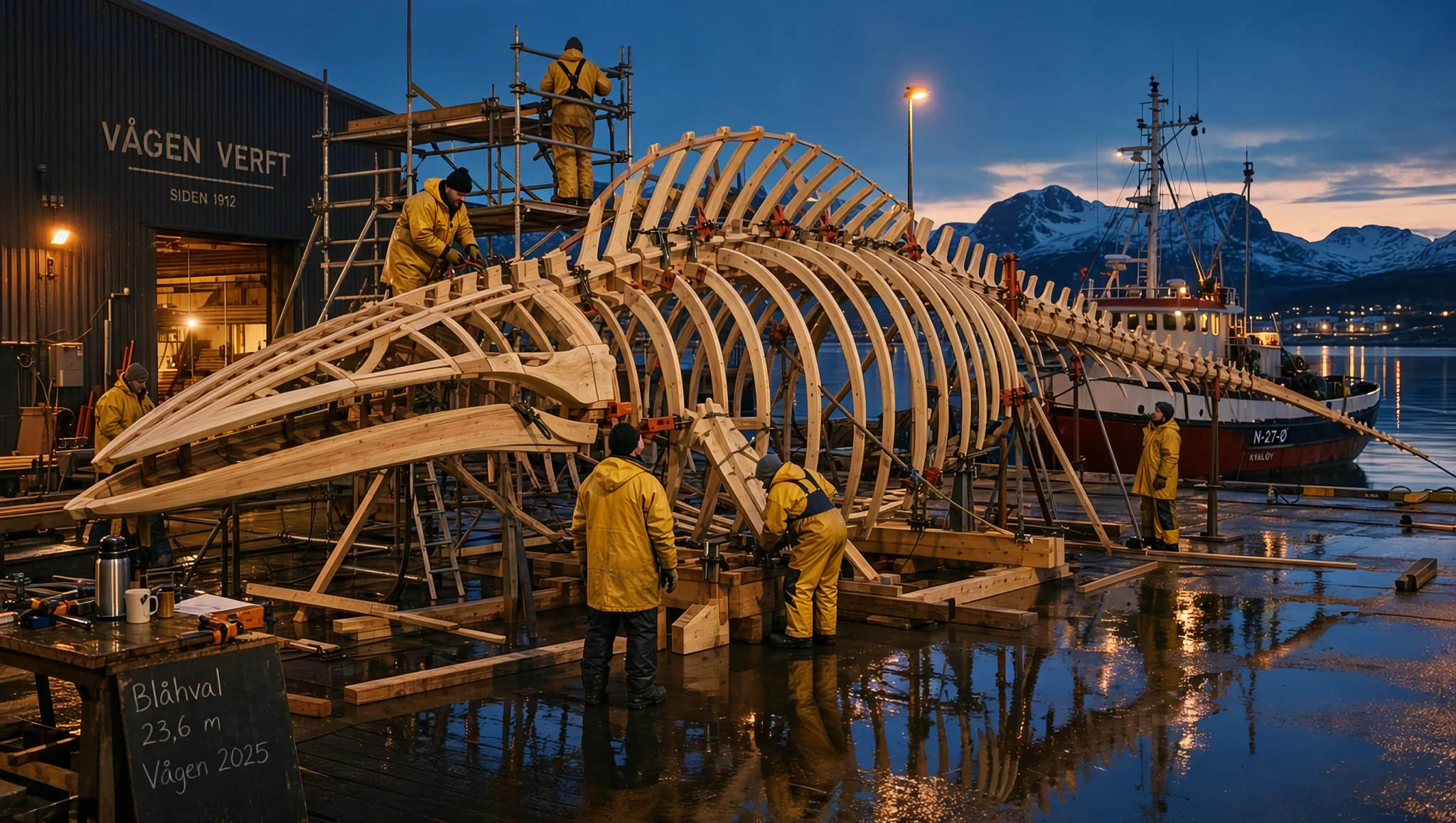
On a blue-hour harbour photo of shipwrights building a timber whale, we blacked out a tall strip of wet dock in the foreground. She came back in a yellow oilskin holding a steaming mug, warmed by the sodium lamps and reflected in the wet boards. The workers and the whale skeleton outside the mask did not move, and the seam is hard to find.
How to draw the mask
Black is the area repainted with the person, white is kept. Use the same proportions as the base picture. For someone standing, a tall rectangle from above head height down to where the feet meet the ground works; for someone seated, cover the chair too. Leave space on every side. A mask squeezed into a thin strip against the right edge of a rooftop photo gave us a soft face and a visible box.
Real results from Ideogram Character
 Input
Bring your own image
 Input
Bring your own image
 Input
Bring your own image
 Input
Bring your own image
Prompts that worked on Ideogram Character
She stands on the wet dock in the foreground in a yellow oilskin jacket and a navy beanie, holding a steaming enamel mug, looking up at the timber whale skeleton, lit warm by the sodium lamps.
The prompt talks only about what goes inside the black area: where she stands, what she wears, what she holds and where she looks. Its last clause ties her to light that already exists in the photo, so the model used the sodium lamps instead of inventing a new source. Nothing describes her face, because the reference settles that.
RecreateShe works as a glassblower in a small Venetian workshop, holding a glowing orange glass bulb on a long steel pipe, a leather apron over her navy turtleneck, furnace light on her face, medium close-up. Realistic photograph.
It opens with the job, which hands the model a pose and props in one phrase, then names the single light that matters, the furnace. Asking for a medium close-up keeps the face large and frontal, where likeness is strongest. Naming the navy turtleneck from the reference portrait keeps her outfit continuous with the source photo.
RecreateWhat Ideogram Character can do


Best ways to use Ideogram Character on PopNow
Character scenes in the image workspace
Choose Ideogram Character, upload the portrait and write one scene per run. Try the idea on Turbo, then rerun the version you keep on Quality.
OpenClear the spot before you mask it
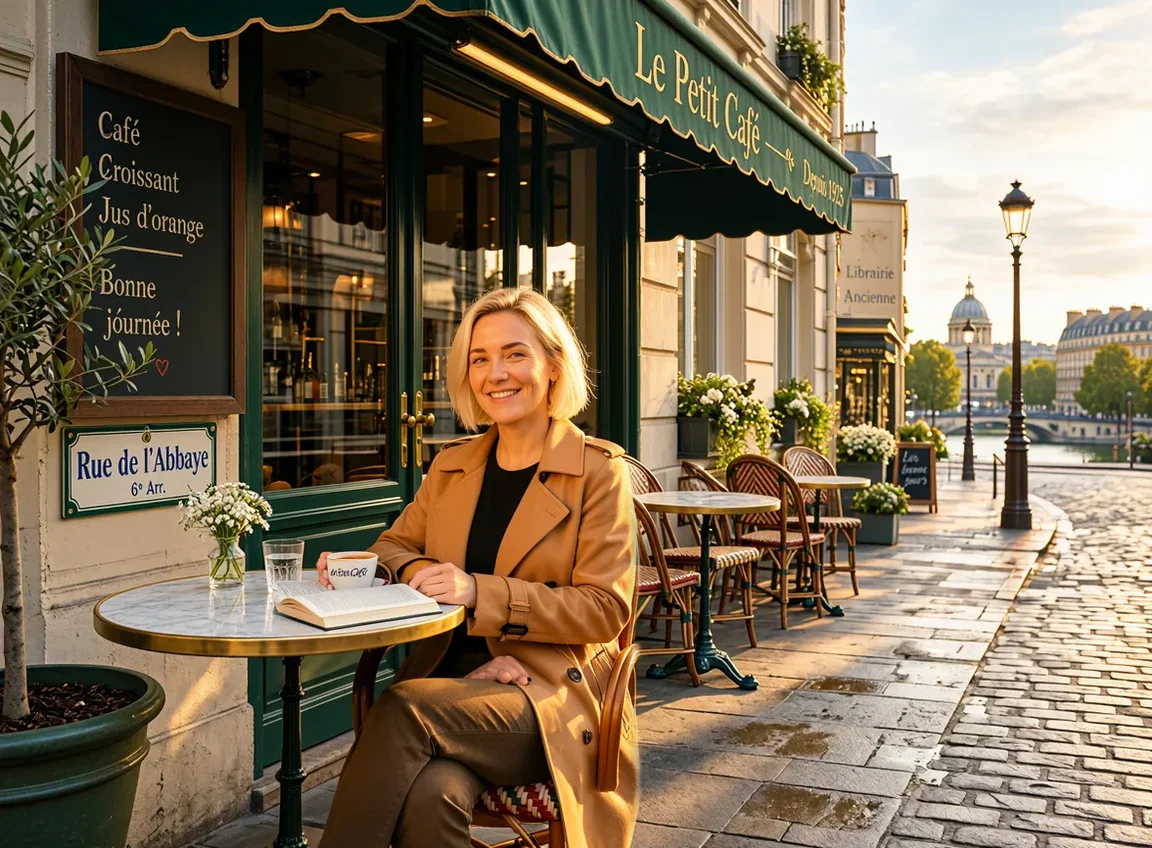
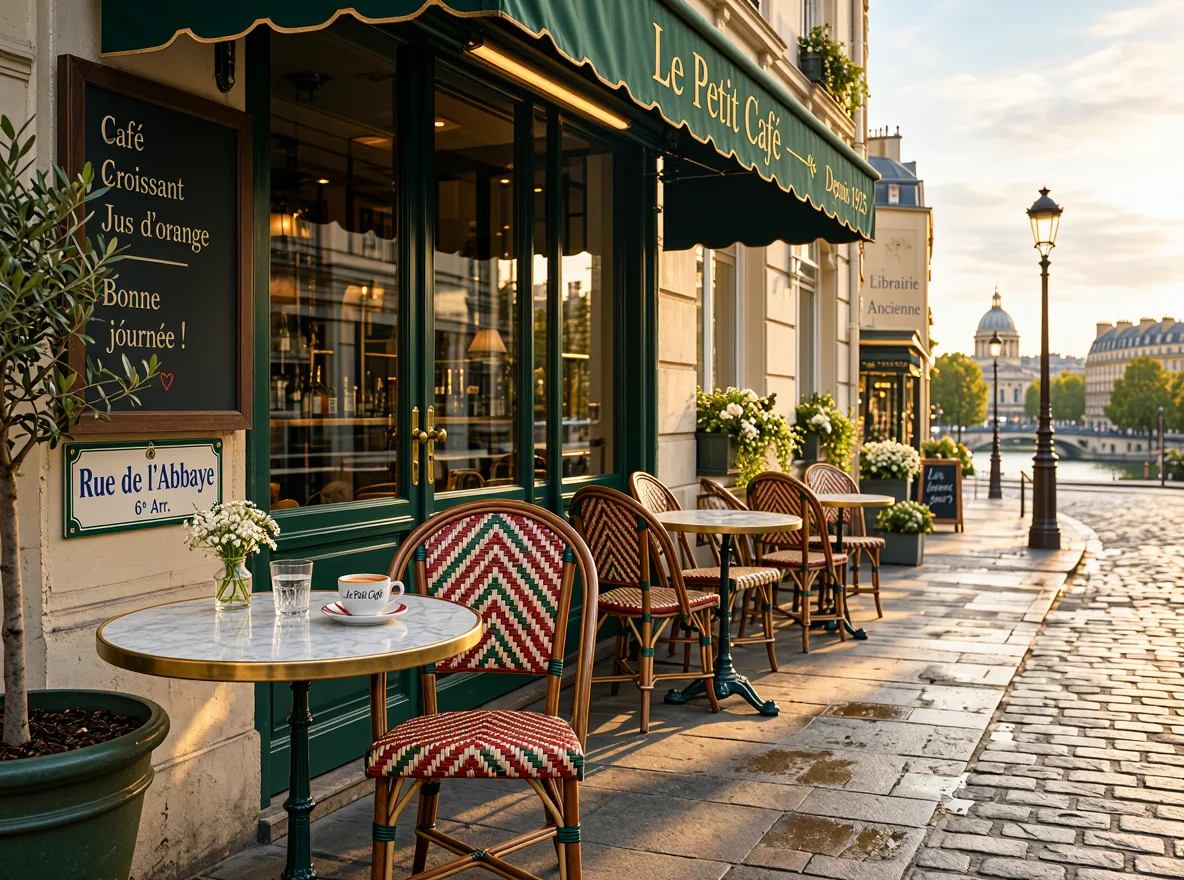
If a chair, bag or newspaper sits where the person should go, remove it first with Eraser. Our cafe terrace had its newspaper taken out in a separate edit before the masked run.
OpenTurnarounds and expression sheets
When you need a character from several angles on one sheet rather than inside a scene, Character Kit is built for that layout.
OpenHow to prompt Ideogram Character
- Pick a sharp, front-facing head-and-shoulders reference with nothing over the eyes. In our tests the likeness held best when the new scene also showed the face from the front.
- For masked edits, paint black where the person should stand or sit and leave the rest white. Make the black area big enough for the whole figure and keep it away from the very edge of the frame.
- Keep big lettering out of scene prompts. A shop sign in one of our runs came back misspelled; Ideogram 4.6 is the better tool when words matter.
Settings worth knowing
Qualityturbo · balanced · quality- Choose one of this model’s quality settings.
Images1–4- How many results to make in one go.
Reference images≤ 1- Pictures of the people, outfits or places the result should keep.
Image- The picture to start from.
Mask- Paint over the area that should change.
Negative prompt- Things you don't want to see.
Seed0–2147483647- Use the same seed and settings for more controlled comparisons.
Prompt boost- Lets the model add detail to a short prompt.
Stylerealistic · fiction- A preset look or genre.
How it compares
Ideogram 4.6 is the maker's general image model, strongest at exact lettering, posters and transparent cutouts. Ideogram Character does one narrower job: it reads a face from one photo and carries it into new scenes or masked areas. Pick Character when the same person has to appear again; pick 4.6 when the words on the image matter.


Where Ideogram Character falls short
Side views lose some likeness, and whatever sits right on the mask boundary can be partly redrawn.
- Likeness weakens in profile. Our lighthouse scene matched the hair and brows, but the side view looked less like her than the front-facing results.
- A mask pressed against the frame edge, leaving only a narrow strip, produced a blurred face and a visible rectangle in our tests.
- Objects right on the mask boundary can be redrawn: in the cafe test the back of the rattan chair changed slightly where the mask met it.
- Lettering is not its strength. A red telephone box sign came out as TELLFEPITONE, so keep big words out of the scene.
- There is no aspect ratio control. Scenes followed the reference's shape in our runs, and masked edits keep the base picture's proportions at roughly one megapixel.
How to use Ideogram Character in three steps
- Choose Ideogram Character and upload one clear, front-facing portrait.
- Describe a new scene, or switch to editing, add the base picture and paint black where the person goes.
- Test on Turbo, check the face and the mask edge, then rerun the best version on Balanced or Quality.
Questions about Ideogram Character
How much does Ideogram Character cost?
On PopNow, Ideogram Character starts at 80 credits ($0.08) per image. Larger sizes cost more: Turbo 80 · Balanced 120 · Quality 160.
How many reference photos can I use?
Exactly one. A sharp, evenly lit head-and-shoulders shot with the face fully visible works best; sunglasses, hands or hair across the eyes weaken the likeness.
Which colour means what in the mask?
Black is repainted with the person from the reference, white stays as it is. The mask must have the same proportions as the base picture.
Why does my masked edit look pasted on?
Usually the black area was too small or touched the edge of the frame. Make it large enough for the whole figure, keep a margin on every side, and describe light that already exists in the photo.
Turbo, Balanced or Quality?
Turbo costs 80 credits per image and suits testing a scene. Balanced, the default, is what we used for every example on this page. Quality costs 160 credits per image and is for the final.
What does the style setting change?
Auto lets the model decide, Realistic aims for photography and Fiction for illustration or stylised art. All of our examples used Realistic.
How long does a run take?
In our tests on Balanced, new scenes took 16 to 33 seconds and masked edits 29 to 60 seconds.
Can it write text into the picture?
It tries, but spelling slips. Leave signs and titles out of the prompt and add lettering afterwards with Ideogram 4.6.
Ideogram Character or Ideogram 4.6?
Ideogram 4.6 is the maker's general image model, strongest at exact lettering, posters and transparent cutouts. Ideogram Character does one narrower job: it reads a face from one photo and carries it into new scenes or masked areas. Pick Character when the same person has to appear again; pick 4.6 when the words on the image matter.
Make something with Ideogram Character
Choose one good portrait, keep masks generous, and let the scene's own light do the matching.