

A locked cast list
The series plan names every character once, with a written look and voice. When an episode is written, those descriptions are copied in word for word instead of being reinvented.


Multi-episode stories with AI
Type one sentence. The AI plans the series, writes every episode around the same cast, shoots the scenes with voices, and cuts a trailer you can post.
 Real output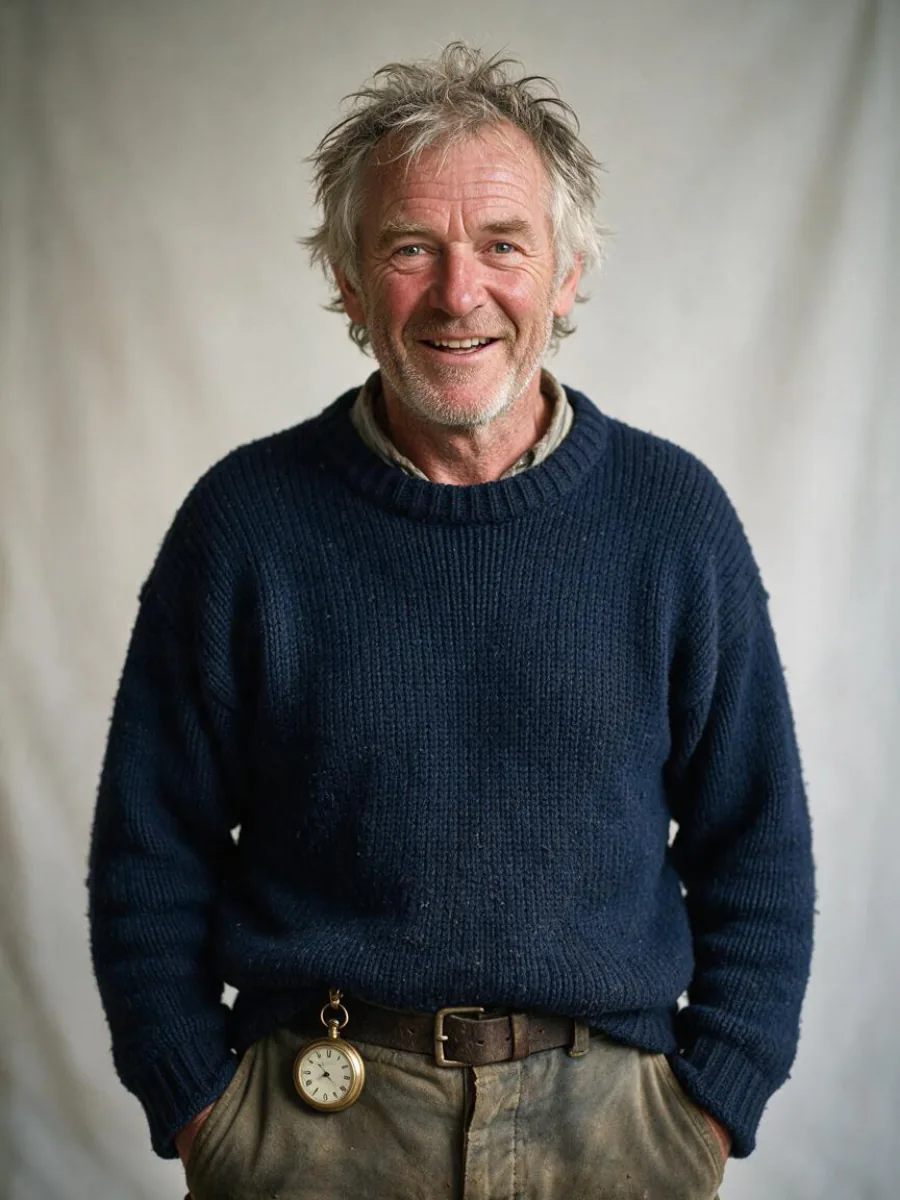
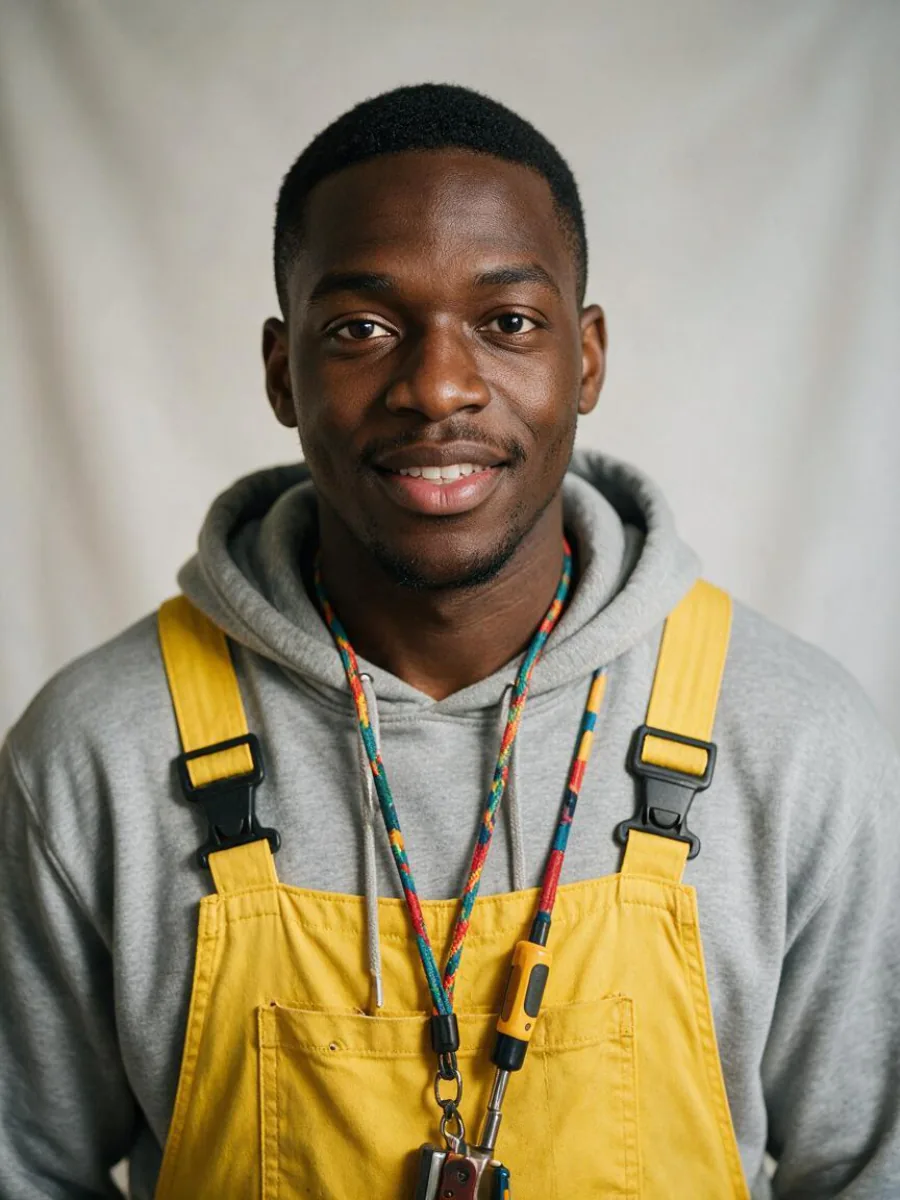
Fixed cast, written onceCast photos made once with Seedream 5.0 Pro, then used as the reference for every scene in every episode.
An AI short drama generator turns a single story idea into a series of short, connected episodes. Instead of one clip, you get a plan for the whole run: a title, a one-line premise, a fixed cast with a written look and voice for each person, and a summary plus a cliffhanger for every episode. Each episode is then written as scenes with action, dialogue and camera shots, and shot as video with sound.
On PopNow the series lives inside the short film studio. The plan, the cast and every episode stay together, so episode 4 still knows what happened in episode 1, and the same two faces walk through every scene. You can change anything the AI wrote before a single credit goes to video.
This is a real run from October 2026, shown as the AI wrote it. We typed one sentence and kept the defaults: comedy, three episodes of 15 seconds, wide format.
“A grumpy retired Irish lighthouse keeper and a cheerful young British-Nigerian engineer have one week to get the old lighthouse shining again before the town's summer festival”
A grumpy retired Irish lighthouse keeper and an upbeat British-Nigerian engineer must overcome clashing methods to restore a rusty coastal beacon in time for the town festival.
Cast photos made once with Seedream 5.0 Pro, then used as the reference for every scene in every episode.
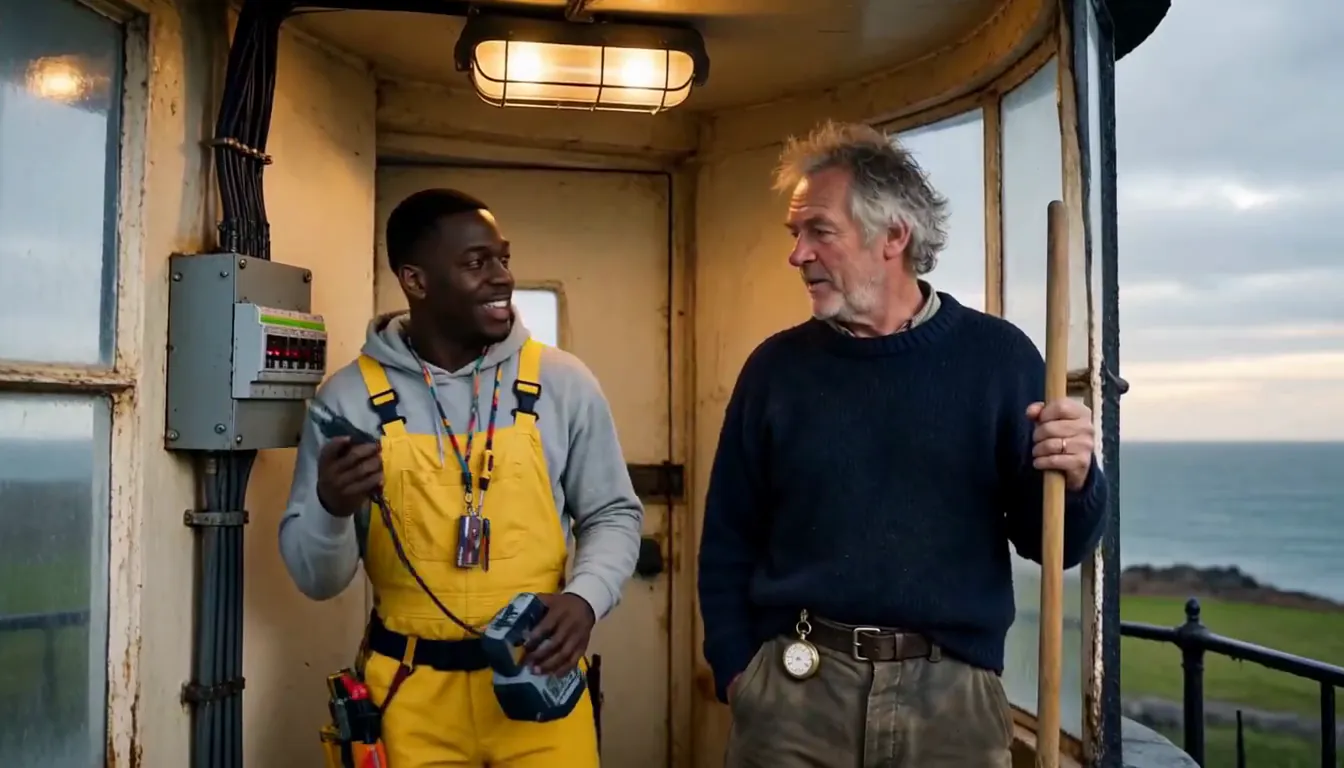
Tobi plugs his tablet into the main breaker anyway. Pop: the central fuse blows and the lantern room goes dark.
Ends on: Seamus pulls out a hundred-year-old blueprint and dares Tobi to climb the tower.
They haul a brass gear up the spiral stairs, arguing grease versus spray, until the mechanism jams and spins Tobi across the room.
Ends on: Festival fireworks light up the bay before the beacon is ready.
Tobi's battery pack meets Seamus's counterweight. The beam sweeps the cheering town, and Seamus shares his tea.
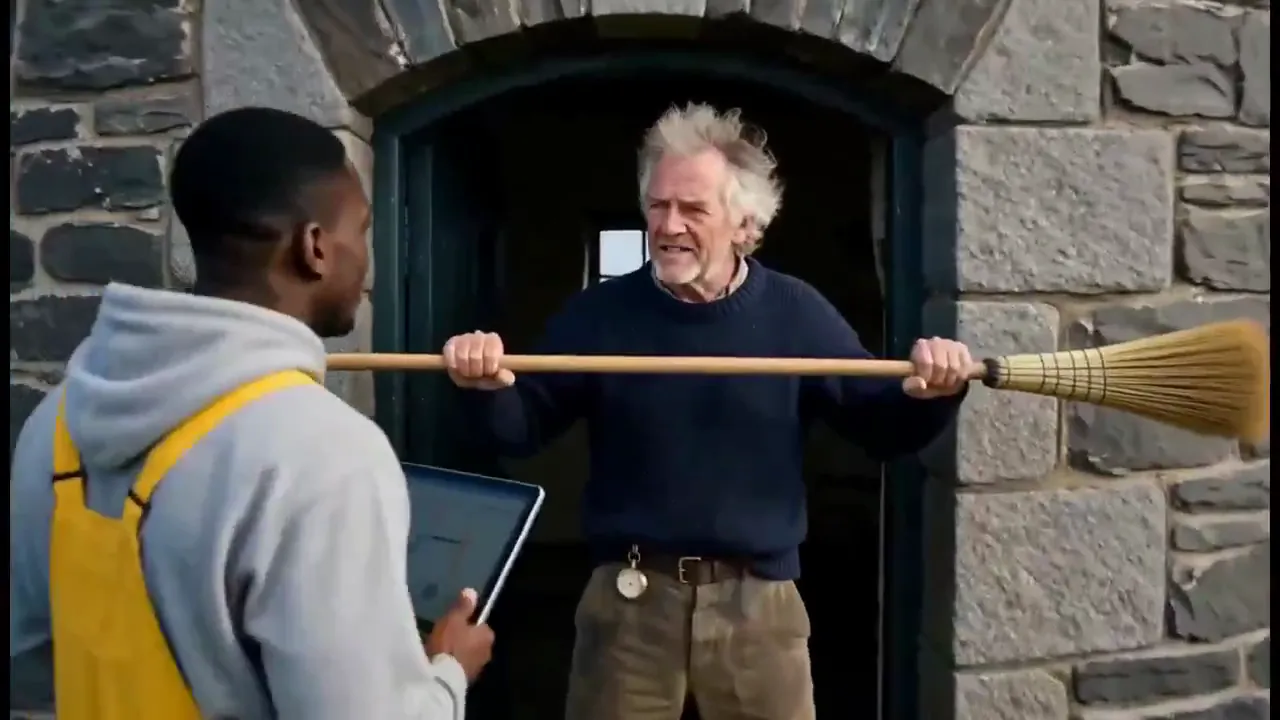
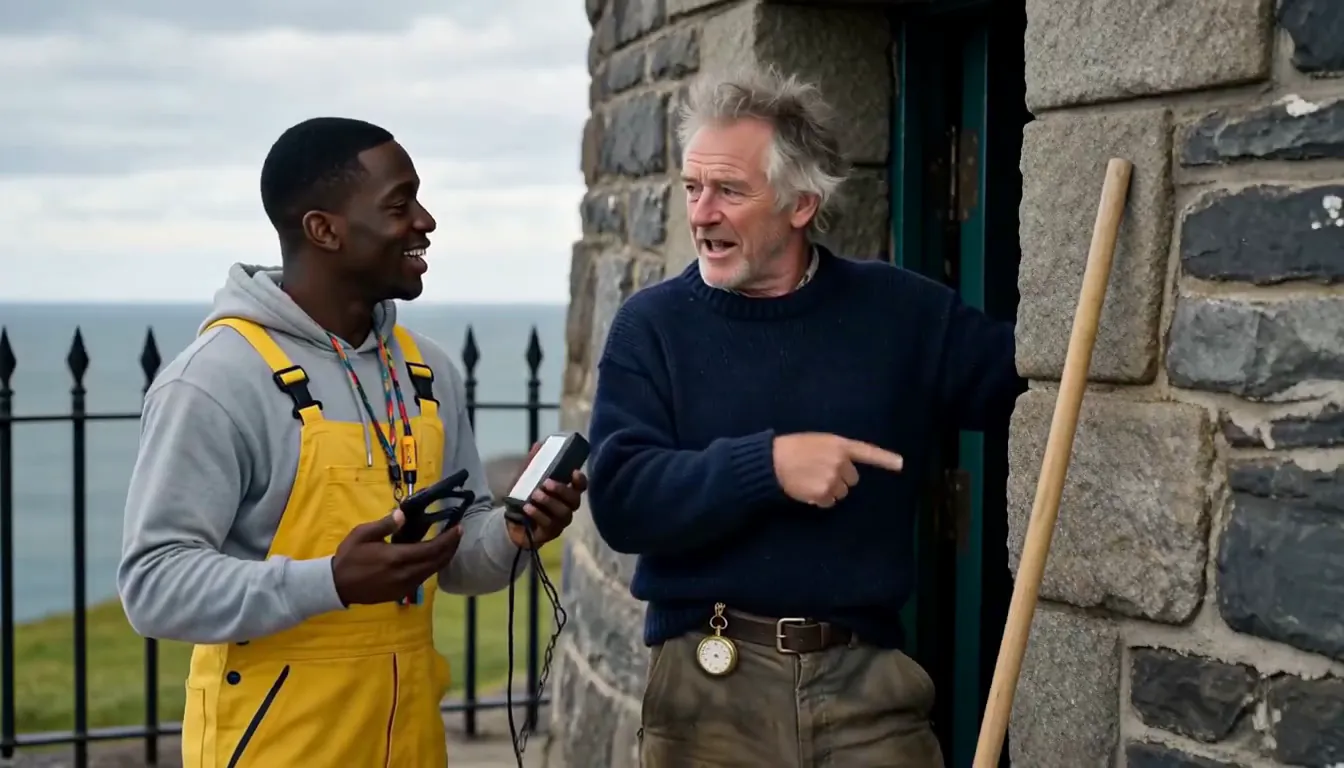
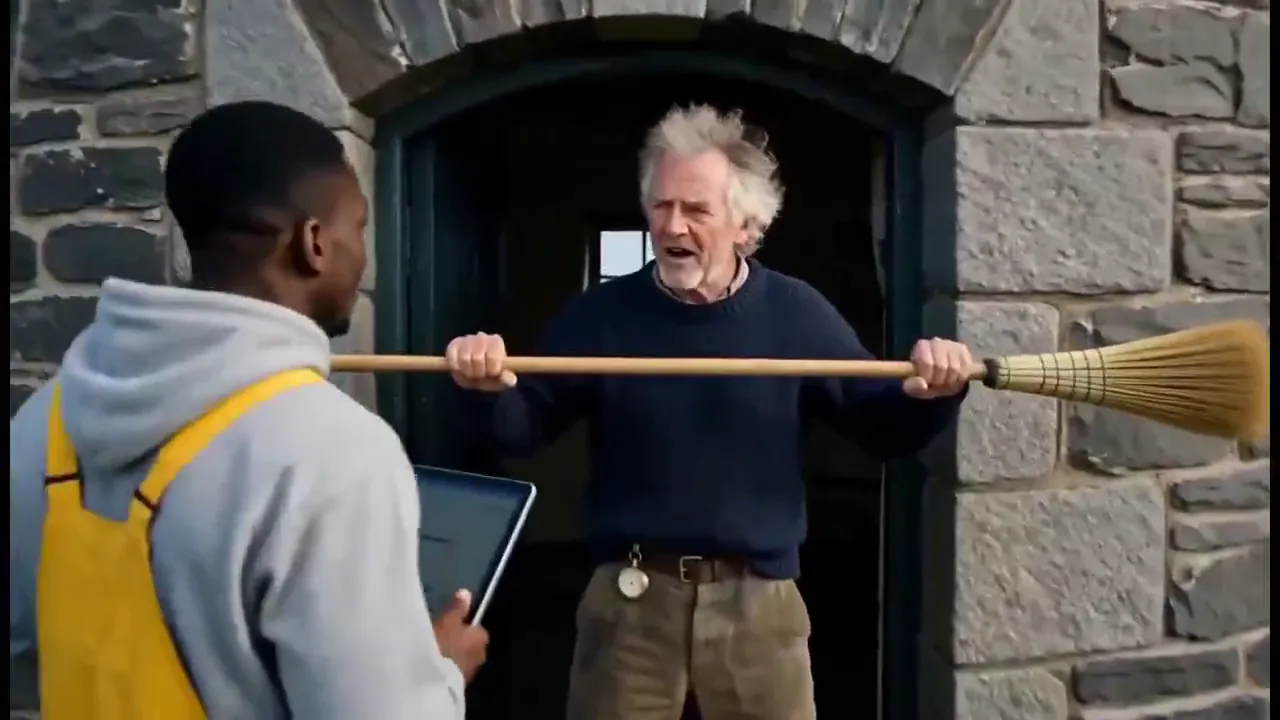
Every clip below came out of that one sentence. The faces, sweater, overalls and broom stay the same from shot to shot because each scene was filmed with the two cast photos as references.
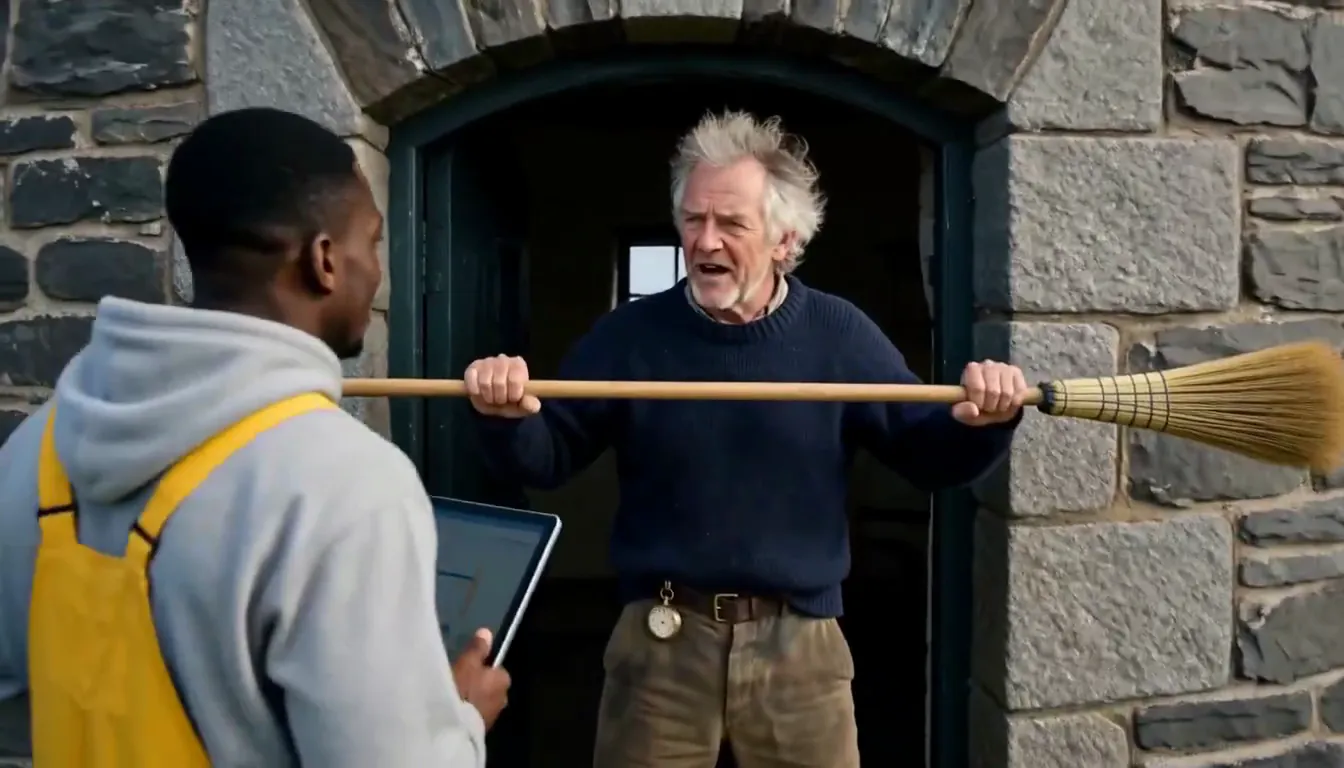
Seamus blocks the lighthouse door with a broom. The line is spoken by the video model, with ambient wind.
Tobi slips past and connects his tablet to the old breaker panel. Same yellow overalls, same lanyard.
A pop, a puff of harmless smoke, and the punchline. Both characters in one frame, still matching their photos.
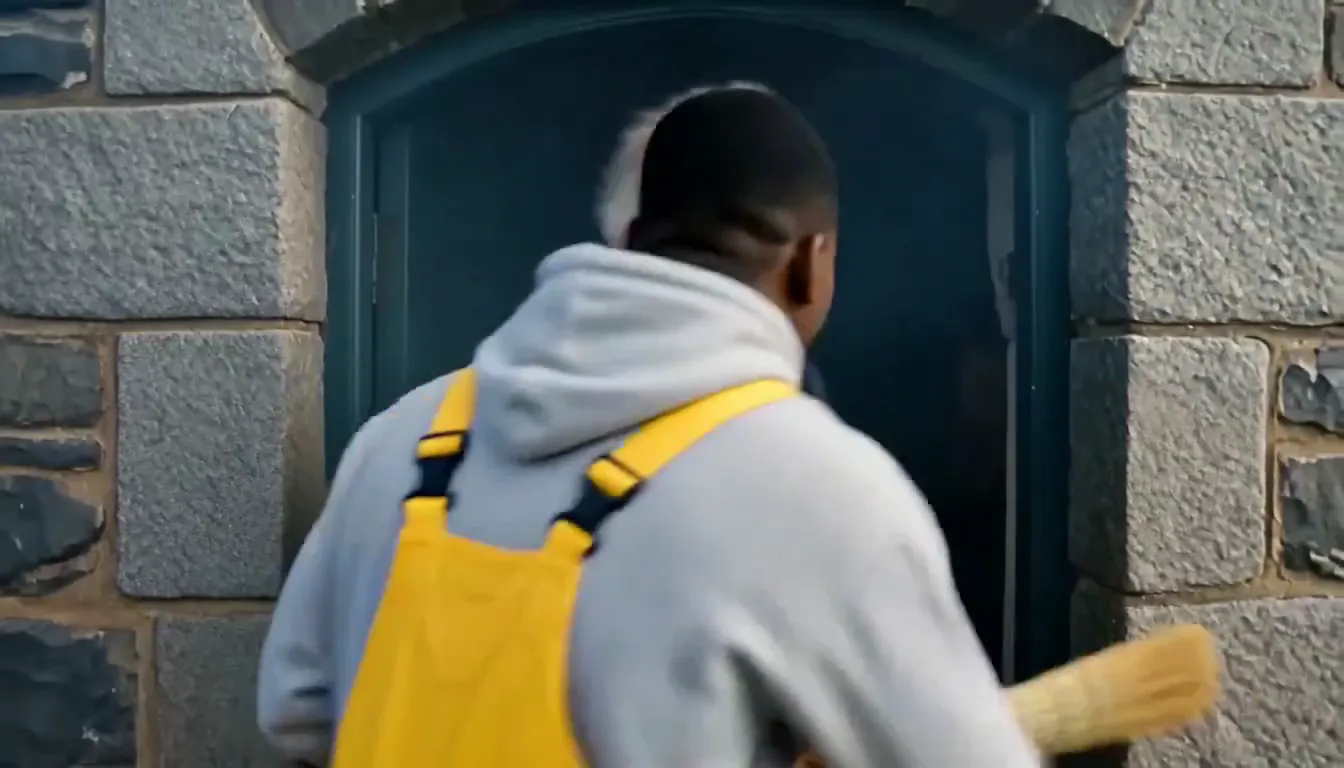
A four-second shot made from the last frame of scene 1 and the first frame of scene 2, so the jump between rooms feels smooth.
All three scenes plus the bridge shot, joined with crossfades and a fade to black on our servers: 19 seconds, one MP4.
Write one sentence, pick 3, 5 or 8 episodes and how long each one runs. The AI returns a title, premise, cast list and an outline for every episode. Edit any line of it.
Give each character a portrait: generate one, upload a photo, or pick someone from My characters. Add a voice if you like. Every episode reuses them automatically.
Open episode 1 and let the AI write its scenes with the series in mind. Shoot scene by scene, or press Make my film to do portraits, scenes and music in one go.
Use the AI cut to build a trailer, export the episode as one MP4, then write the next episode. It picks up where the last one ended, and you can binge all episodes back to back.
The series plan names every character once, with a written look and voice. When an episode is written, those descriptions are copied in word for word instead of being reinvented.
Each scene is filmed with the cast photos as visual references, so faces, hair and outfits carry over from scene to scene and from episode to episode.
Each new episode script is written with the earlier episodes as context, so running jokes, props and the last cliffhanger are not forgotten.
Pick a voice for each speaker and their lines are read in that voice first, then the scene is lip-synced to it, so nobody sounds different next week.
It is consistent, not perfect. Small details such as jewelry, hands or text on signs can drift between shots, and crowded scenes with three or more people hold up less well than two-person scenes. Reshoot a single scene when something slips; every take is kept.
 96 credits
for episode 1 of the sample, cast photos included
Prices follow the models you pick and show on every button before you shoot. With the default MiniMax H3 at 768p, a 5-second scene is 28 credits and a cast photo is 6 credits. Episode 1 of the sample used 2 cast photos and 3 scenes, 96 credits in total. Later episodes reuse the cast, so another 15-second episode is 84 credits. Planning the series and writing each script are about 1 credit each, and joining scenes into one MP4 is free.
New accounts start with 30 free credits, enough to plan a series, cast it and shoot a first scene. Anything that fails is refunded.
See credit packsStart with 3, 5 or 8 episodes, then add more by hand up to 12 in one series. Each episode runs about 15, 30 or 60 seconds, which is 3, 5 or 8 scenes.
Faces, hair and outfits stay very close because every scene is filmed with the cast photos as references and the written descriptions are reused word for word. Small details can still drift, so check each scene and reshoot only the one that slipped.
Yes. Upload a photo as a character's portrait or pick someone you saved in My characters. Only use photos of yourself or of people who have agreed to it; real celebrities are not allowed.
Yes. Lines written into a scene are spoken by the video model with sound. For voices that stay identical across episodes, choose a voice for each character and the scene is lip-synced to that voice.
You pay per generation in credits, at the price shown on each button. A 15-second episode with the default video model is about 84 credits, or 96 when it also needs two new cast photos. Planning and script writing are about 1 credit each.
Yes. Choose the vertical 9:16 format before planning and every scene is shot vertically. Export each episode as one MP4 with captions and music, or cut a trailer in the video editor first.
The AI cut looks at your finished scenes and their lines, then picks the order, trims each clip, adds transitions, captions, a title card and a track from the music library. It lands in the video editor as a normal edit, so you can change anything before exporting.
Nothing is shot until you say so. Edit the plan, rewrite a single scene with AI, or write an episode yourself. If the writer can't plan a series from your idea, you aren't charged and you get a blank outline to fill in.