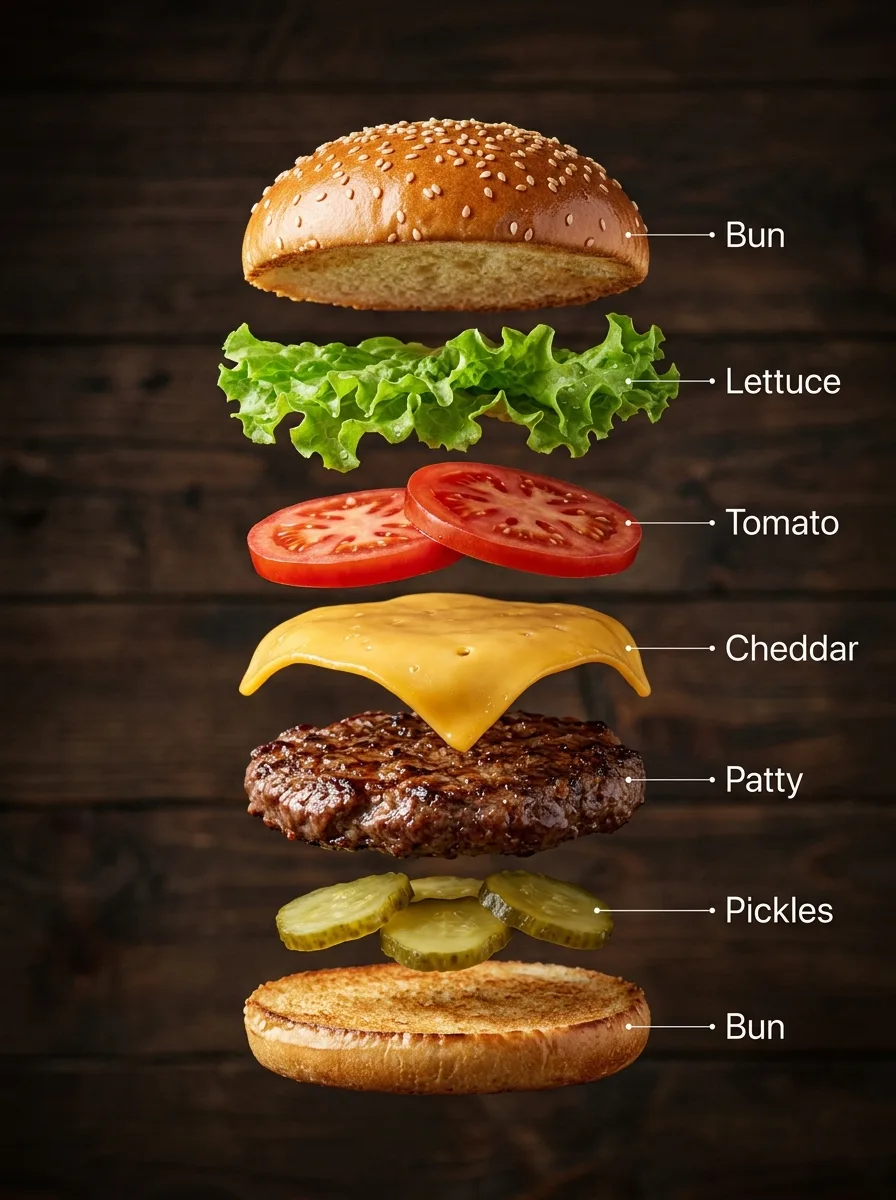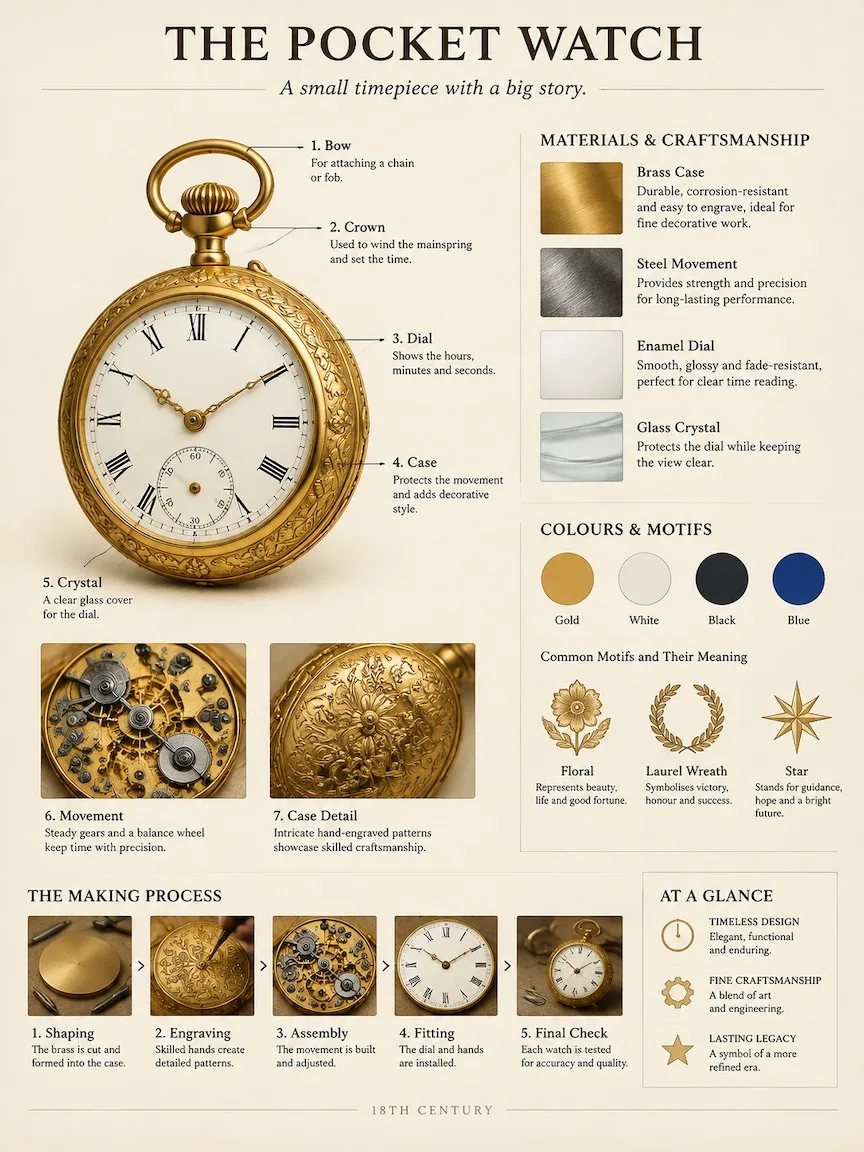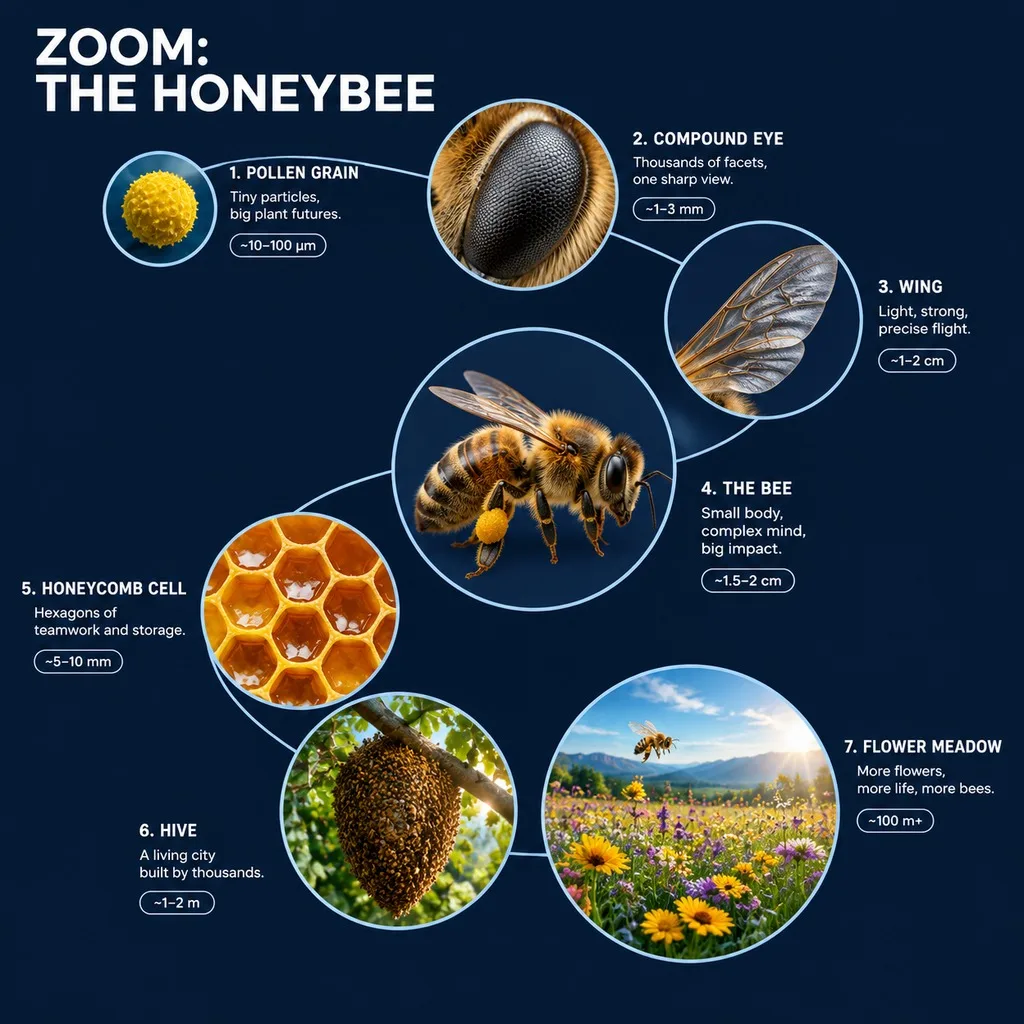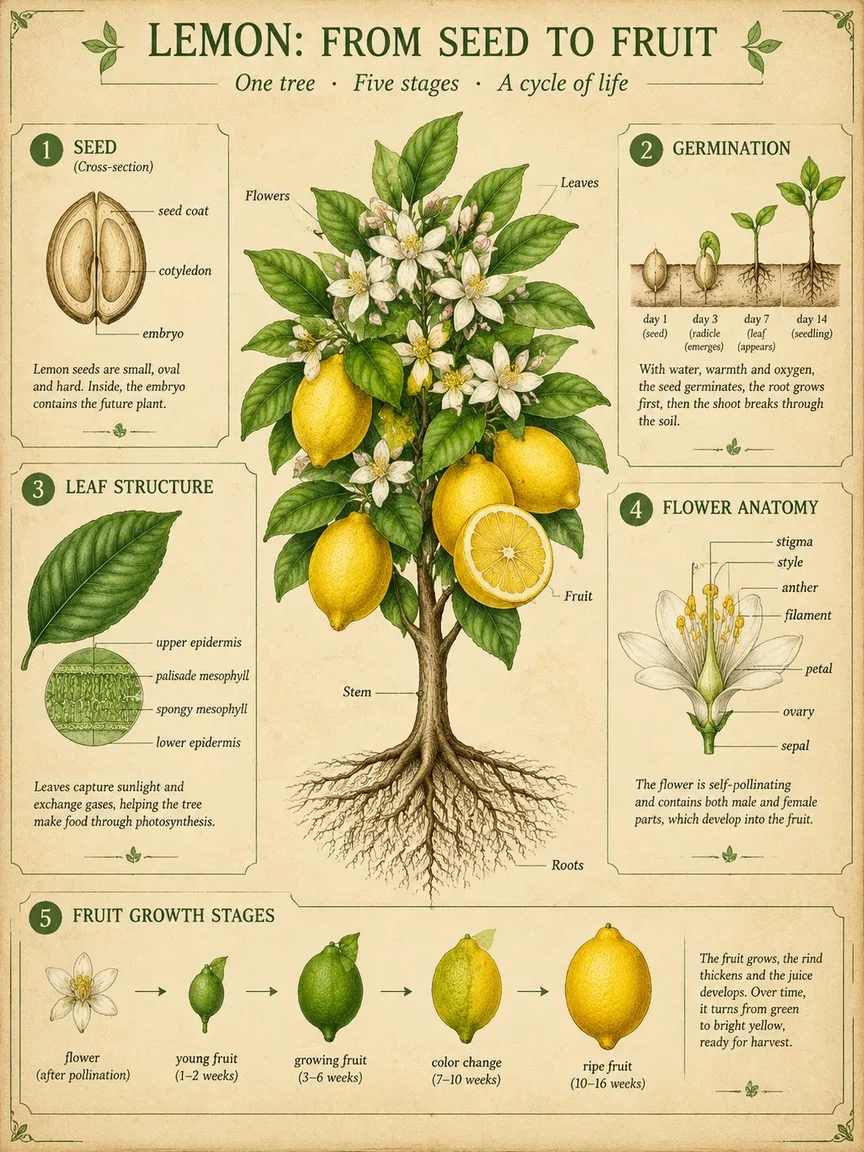


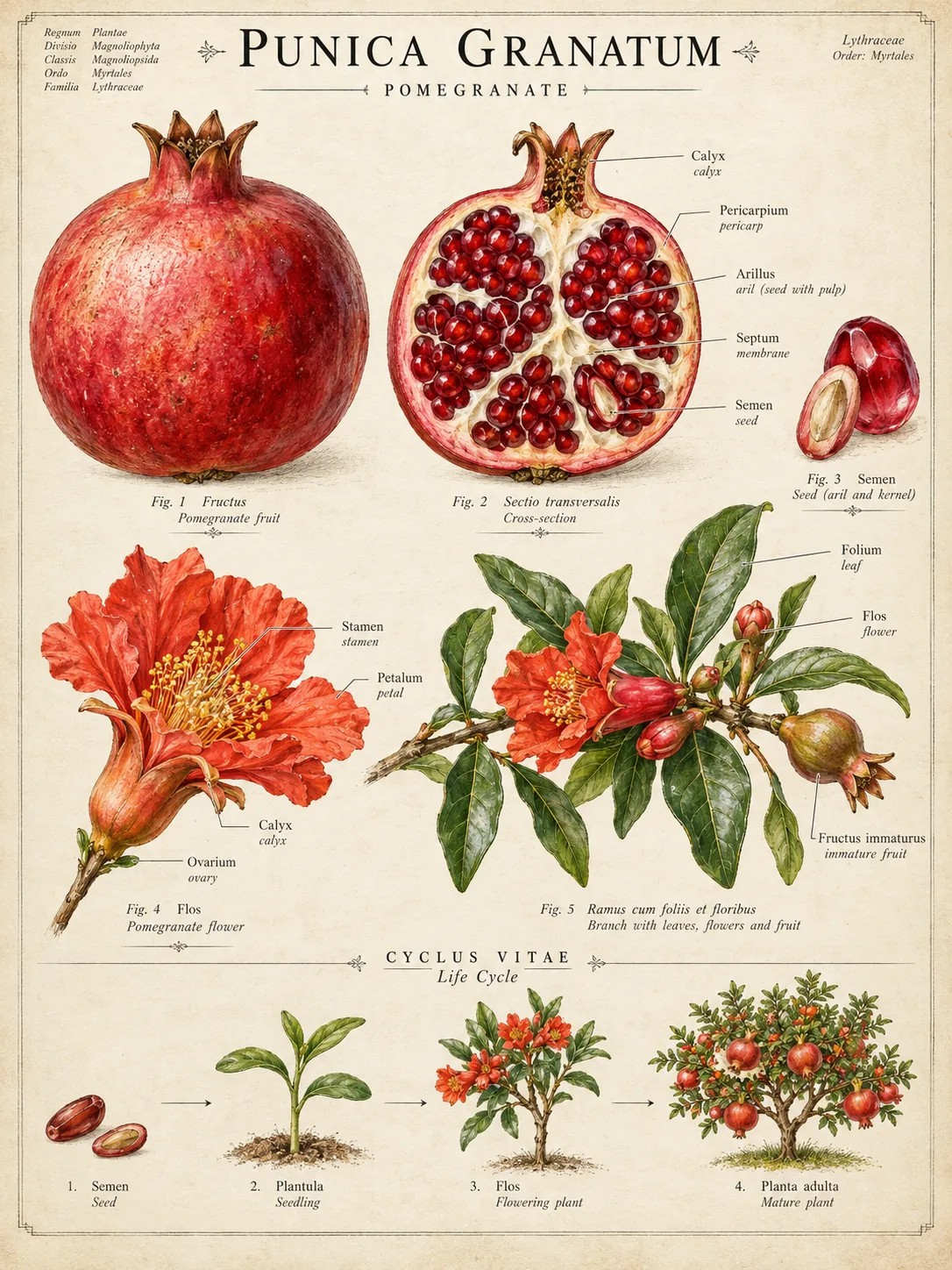
Pomegranate Study, made with GPT Image 2.5 Sunburst
Example made with GPT Image 2.5 Sunburst

Text to imageInfographics & diagrams

GPT Image 2.5 Sunburst infographic promptPomegranate Study

The exact text-to-image prompt behind this picture, made with GPT Image 2.5 Sunburst.

Prompt

Vertical 3:4 infographic poster. A scientific botanical plate of a pomegranate on aged cream paper: the whole fruit, a cross-section showing the jewel-like seeds, the red flower, a leafy branch and a small growth cycle of four stages, fine ink and watercolor, small Latin and English labels, a title at the top that reads "PUNICA GRANATUM".

Prompts are kept in their original English to help reproduce the example. Copy one as it is, or adapt it for your project.

Opens GPT Image 2.5 Sunburst with this prompt and the settings below filled in.

135 tested GPT Image prompts →

Settings

Mode
Text to image
Aspect ratio
3:4
Quality
high
Price
From 2 credits

The exact price shows before you generate.

Make your own version

  1. The words in quotes, "PUNICA GRANATUM", are printed in the picture. Keep them short and change them to your own.
  2. fine ink and watercolor sets the whole feel of the shot. Swap it for another camera style to change the vibe.

Where this idea comes from

Inspired by an idea from @hx831126, collected in freestylefly/awesome-gpt-image-2 under MIT. PopNow wrote this prompt and made the example above.

Style prompt guide

Style traits to keep

A vintage botanical plate illustrates the anatomy of a pomegranate across multiple neat sections against warm parchment paper. It succeeds because GPT Image 2.5 Sunburst accurately pairs classic ink-and-watercolor rendering with legible typography, laying out complex plant parts without visual clutter.

The botanical illustration style relies on rigorous draftsmanship, historic paper texture, and delicate hand tinting.

Line
Fine contour ink lines define seed membranes, branch bark, and petal folds with crisp engraved clarity.
Texture
Subtle foxing, slight fiber grain, and faded off-white paper emulate eighteenth-century pressed specimen archives.
Palette
Muted crimson, olive greens, and ochre washes keep the fruit vivid while blending softly into the parchment background.
Composition
A balanced, educational grid separates the primary fruit portrait from auxiliary dissection insets and chronological buds.

What defines this look

  1. layout and medium framingVertical 3:4 infographic poster. A scientific botanical plate of a pomegranate on aged cream paper:

    This sets the archival print aesthetic and establishes the paper color as warm rather than sterile digital white. Removing it turns the piece into a modern digital graphic or a generic fruit photo.

  2. core specimen elementsthe whole fruit, a cross-section showing the jewel-like seeds, the red flower, a leafy branch

    It directs the generator to break down the plant into key morphological angles. Omitting the cross-section leaves only surface views, sacrificing the informative diagram feel.

  3. sequential diagram elementand a small growth cycle of four stages,

    This produces a progression strip showing the bud opening into mature fruit. Without this instruction, the model gathers only random loose pieces instead of an educational lifecycle.

  4. artistic technique and texturingfine ink and watercolor, small Latin and English labels,

    It forces hand-drawn outlines, soft color washes, and documentary captions alongside specimens. Swapping this out creates thick gouache or flat digital vector icons instead of natural history art.

  5. heading text prompta title at the top that reads "PUNICA GRANATUM".

    This produces the centered, formal taxon header in classical serif lettering. If omitted, the top margin will sit empty or receive garbled placeholder typography.

Same style, new subjects

Herbal Tea Study

Applies the exact natural history plate style to a delicate flowering medicinal herb.

Prompt

Vertical 3:4 infographic poster. A scientific botanical plate of chamomile on aged cream paper: the open daisy bloom, a cross-section of the yellow disk floret, delicate feathery leaves, and a small growth cycle of four stages, fine ink and watercolor, small Latin and English labels, a title at the top that reads "MATRICARIA RECUTITA".

Citrus Branch Study

Uses the specimen dissection layout for thick rind citrus with pale blossom details.

Prompt

Vertical 3:4 infographic poster. A scientific botanical plate of a lemon tree on aged cream paper: the whole fruit, a cross-section displaying pulpy segments, white waxy blossoms, a thorny twig, and a small growth cycle of four stages, fine ink and watercolor, small Latin and English labels, a title at the top that reads "CITRUS LIMON".

Fungi Anatomy Study

Transfers the archival infographic format to mycological specimens and cross-sectional spore structures.

Prompt

Vertical 3:4 infographic poster. A scientific botanical plate of a chanterelle mushroom on aged cream paper: the full cap, a longitudinal cross-section exposing false gills, spore-bearing ridges, and a small growth cycle of four stages, fine ink and watercolor, small Latin and English labels, a title at the top that reads "CANTHARELLUS CIBARIUS".

Model and settings

Maintain the 3:4 aspect ratio to emulate standard archival folio print dimensions and grant vertical room for top titles and base growth strips. Keep quality on high so GPT Image 2.5 Sunburst renders clean, decipherable letters along small annotation ribbons. If you ever switch to a wider poster format, adjust the ratio to 4:5 or 2:3 to avoid clipping marginal notes.

  • Nano Banana ProSwitch to Nano Banana Pro when you want extremely dense, meticulously aligned text blocks, as it plans diagram layouts before rendering.
  • FLUX.2 ProChoose FLUX.2 Pro if you need exact hex color calibration for the garnet arils and parchment tones alongside readable label typography.

When the style drifts

The composition turns into a messy flat-lay food photo with photographic lighting instead of vintage art.
Remove modern camera terms and emphasize '18th century hand-colored copperplate engraving, fine ink and watercolor on parchment'.
The Latin and English annotations turn into unreadable blurry scribbles across the specimens.
Keep quality set to high and specify explicit label names in quotes, such as 'labeled ARIL, CALYX, and STEM in crisp ink lettering'.
The white background turns completely flat and modern, losing historical authenticity.
Replace 'cream paper' with 'stained antique vellum with subtle paper grain and deckled edges'.

Questions about this style prompt

How can I make the Latin fruit labels legible on this poster?

Specify exact words in quotes within the prompt and maintain the high quality setting. Limiting annotations to two or three short terms prevents the text from compressing into indistinct strokes.

Can I replace the aged parchment look with a crisp modern poster finish?

Yes. Swap 'aged cream paper' and 'fine ink and watercolor' with 'clean white minimalist background' and 'sharp vector line art diagram' while keeping the fruit section descriptors intact.

Why did my growth cycle show random fruit slices instead of stages?

Clarify the progression sequence by prompting 'a horizontal row showing four chronological growth stages: green bud, opening flower, immature green fruit, and ripe pomegranate'.