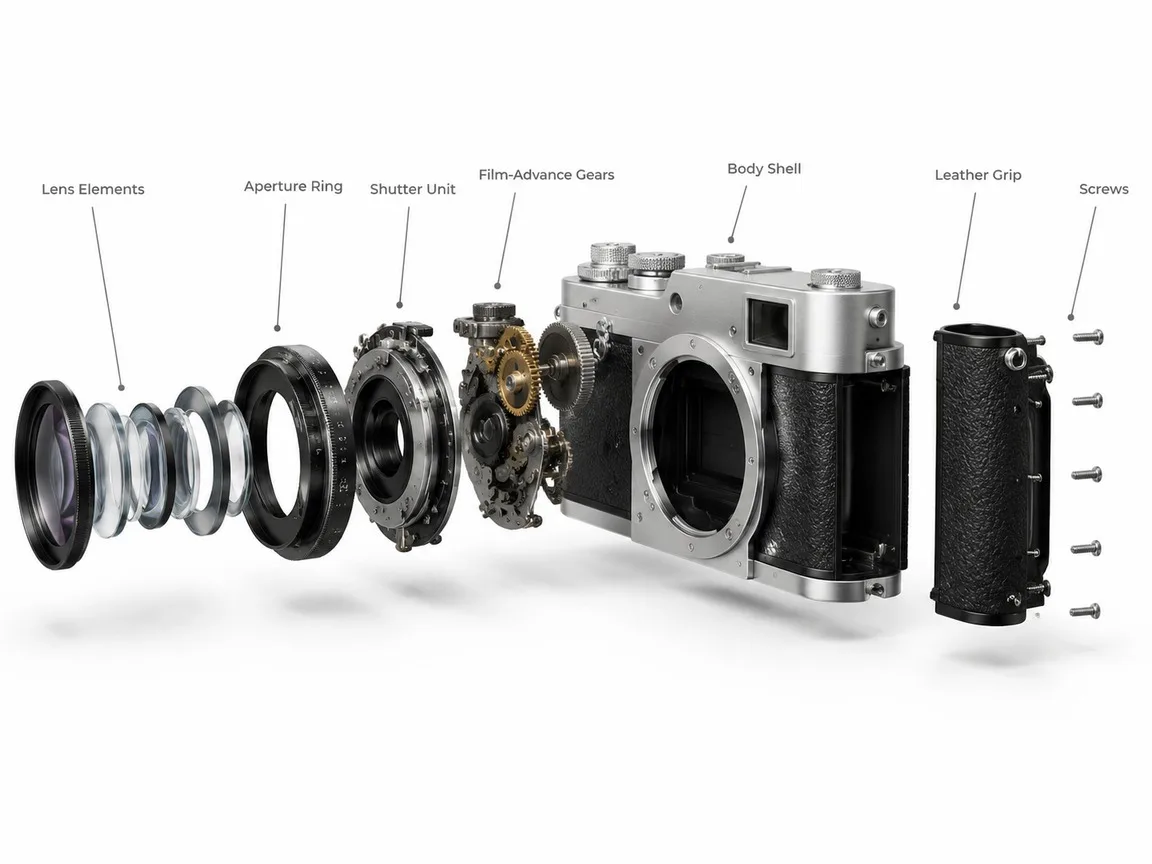
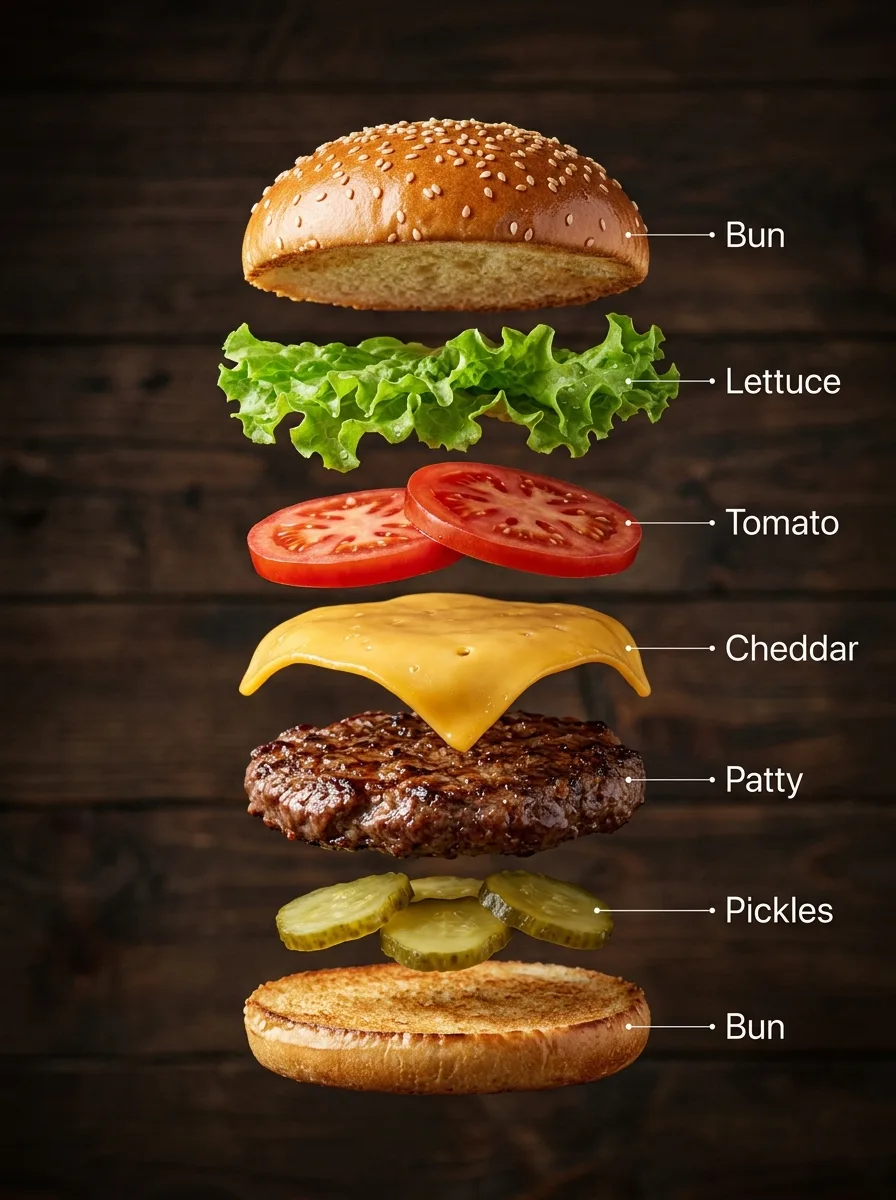
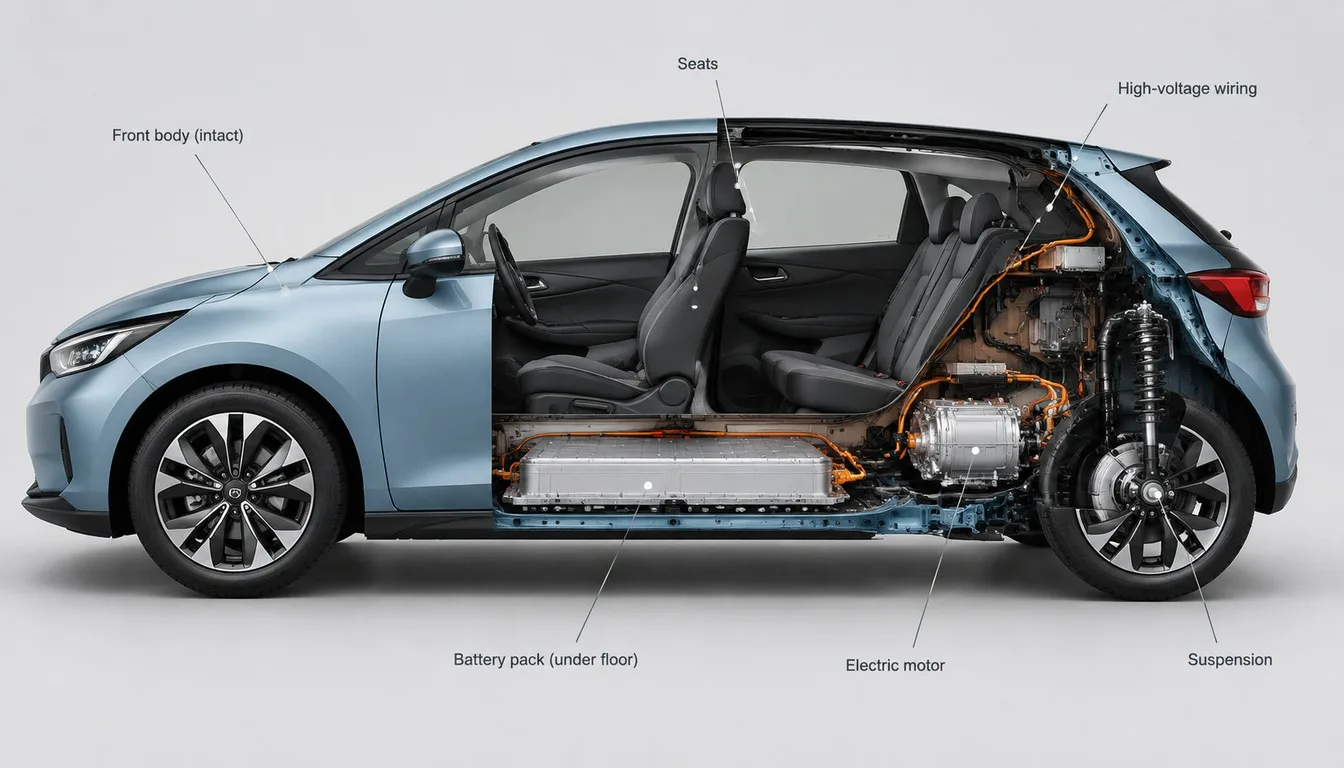
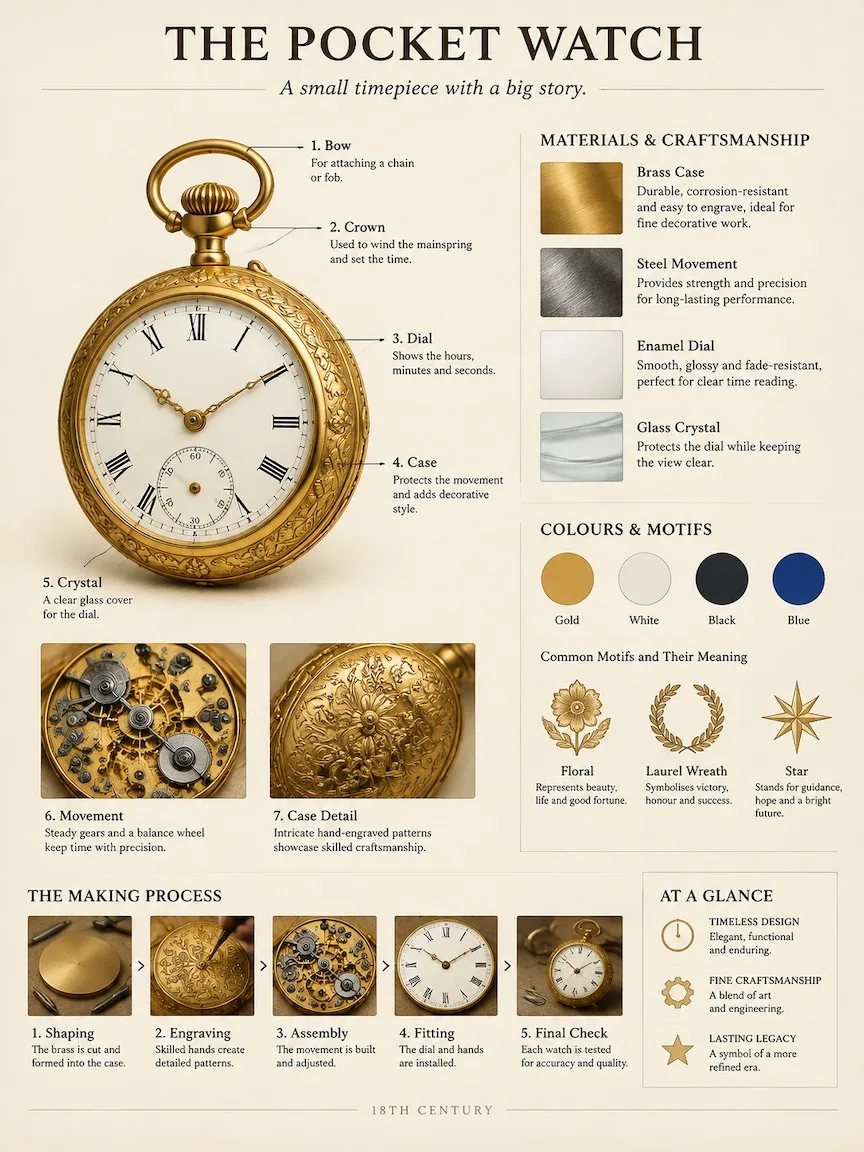
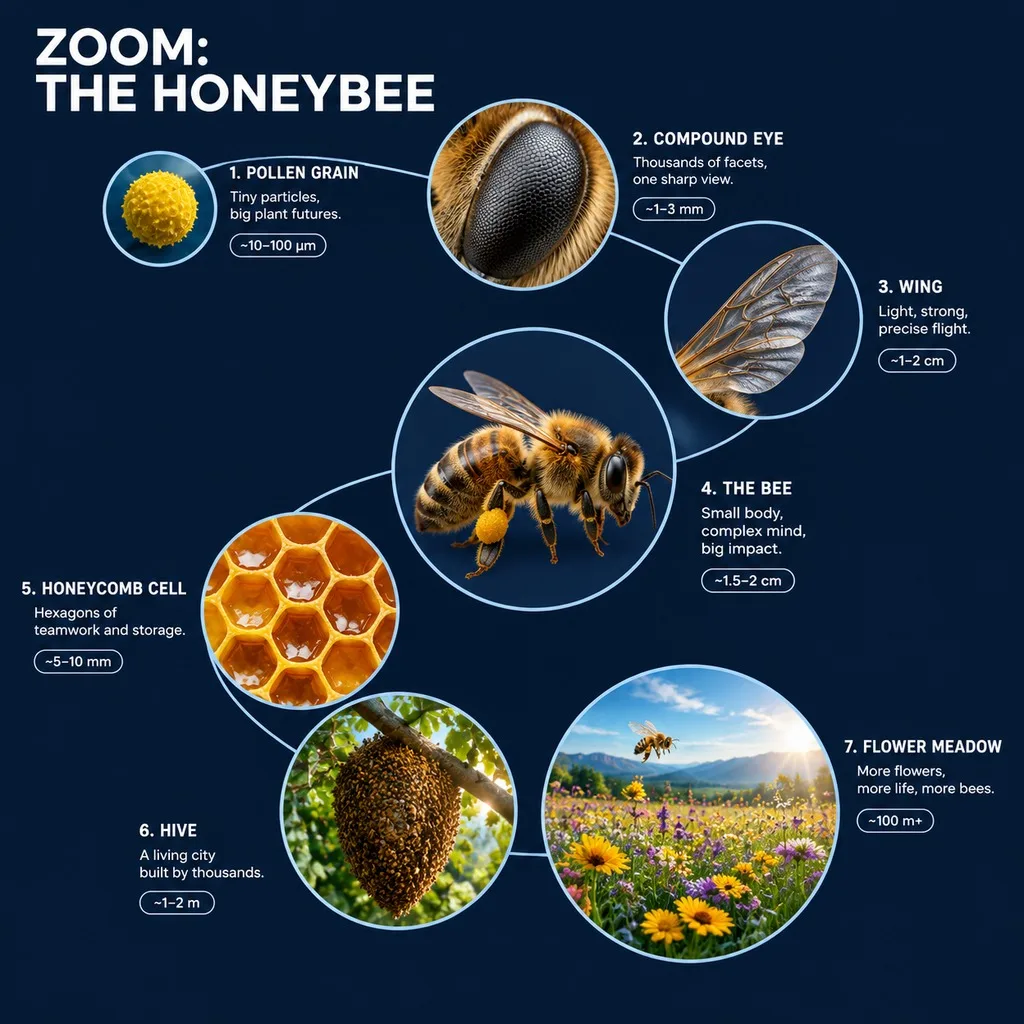
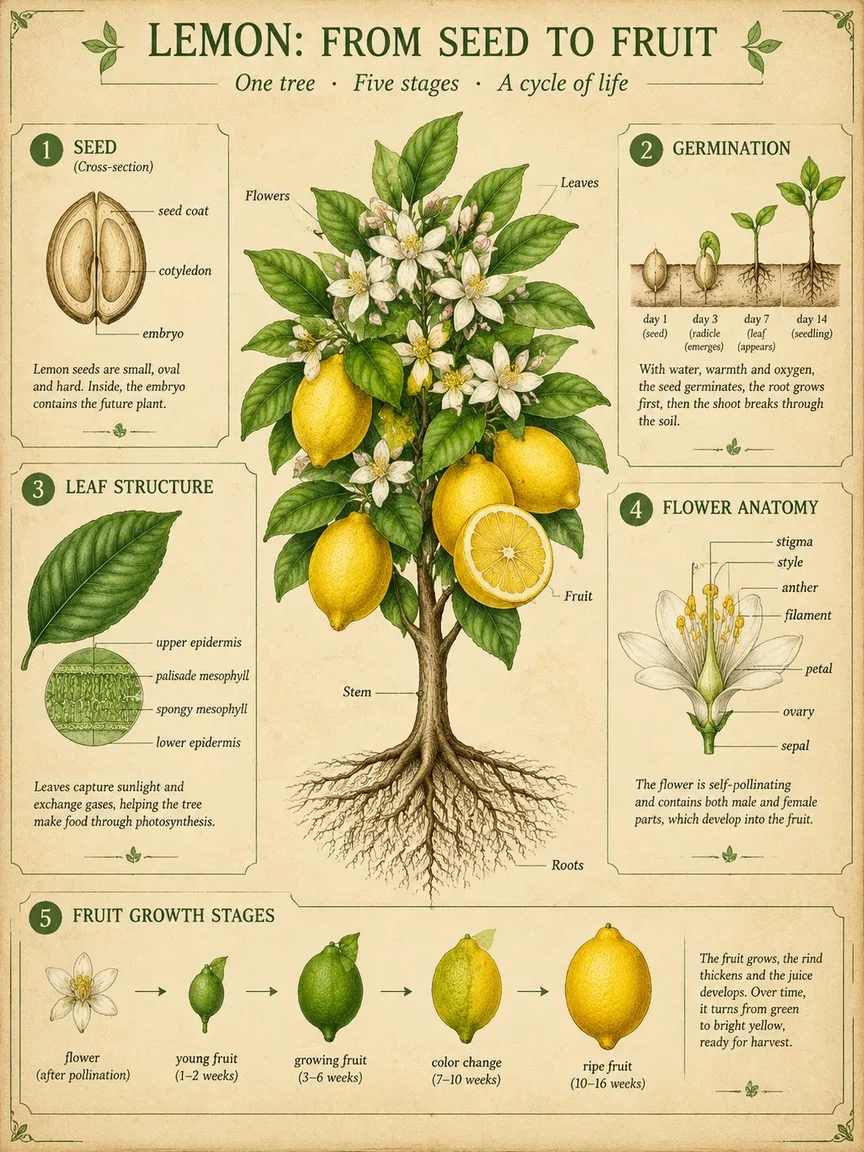
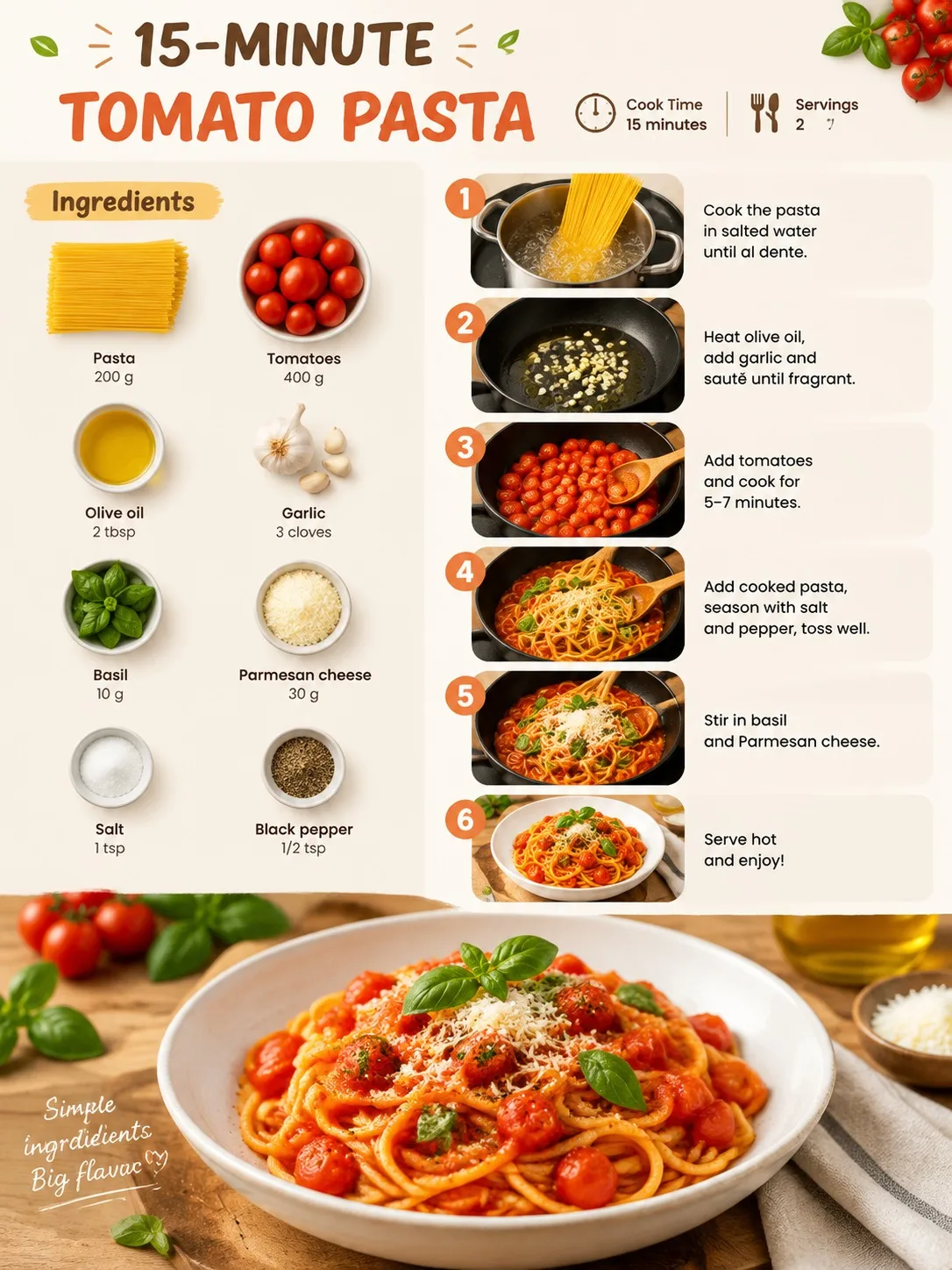
Wildlife Dossier Poster, made with GPT Image 2.5 Sunburst
Example made with GPT Image 2.5 Sunburst

Text to imageInfographics & diagrams

GPT Image 2.5 Sunburst infographic promptWildlife Dossier Poster

The exact text-to-image prompt behind this picture, made with GPT Image 2.5 Sunburst.

Fill in the blanks

Change any box and the prompt below updates. Copy it, or make one with your version.

Prompt

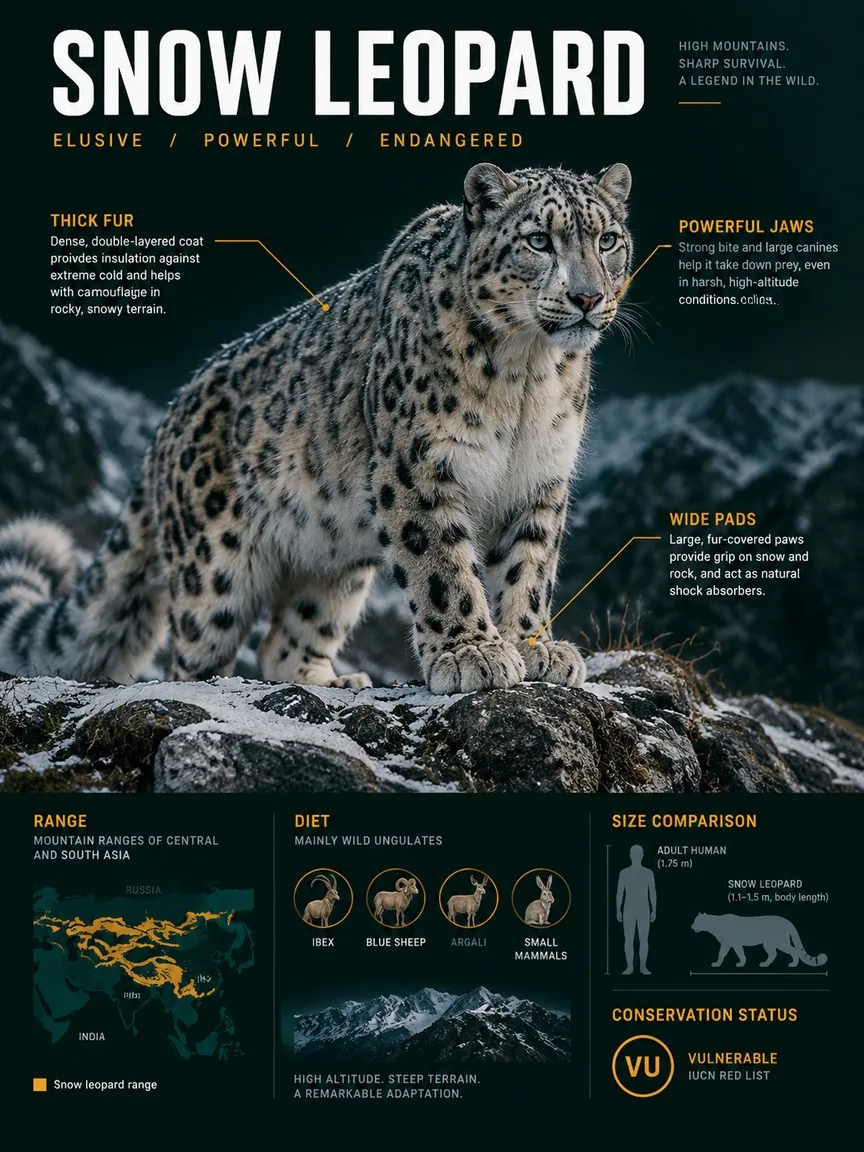
A premium wildlife infographic poster about the snow leopard, styled like a sleek field dossier rather than a school chart. The animal dominates the page in photoreal detail in its habitat, a windswept rocky ridge with light snow. Around it, layered callouts: three anatomy notes with thin lines, a range map, a size comparison with an adult human silhouette, a diet icon row and a conservation-status badge. Title "SNOW LEOPARD" at the top in bold condensed type. Dark green-black background, crisp white and amber text.

Prompts stay in English, the language these models follow best. Copy it as it is, or change a few words.

Opens GPT Image 2.5 Sunburst with this prompt and the settings below filled in.

67 tested GPT Image prompts →

Settings

Mode
Text to image
Aspect ratio
3:4
Resolution
1k
Quality
high
Price
From 2 credits

The exact price shows before you generate.

Make your own version

  1. The layout is spelled out piece by piece: three anatomy notes with thin lines, a range map, a size comparison with an adult human silhouette, a diet icon row and a conservation-status badge. Keep that structure and change only the content, or the model loses track of the page.
  2. This is a fill-in template: swap the parts in braces, like {animal}, in the boxes above and keep the rest word for word.
  3. styled like a sleek field dossier rather than a school chart sets the whole feel of the shot. Swap it for another camera style to change the vibe.

Where this template comes from

Adapted from a prompt by @sha_zdiii, collected in EvoLinkAI/awesome-gpt-image-2-API-and-Prompts under CC0 1.0. PopNow rewrote it as a fill-in template and made the example above.

Style prompt guide

Style traits to keep

A snow leopard on a windswept rocky ridge with light snow, framed by layered infographic callouts on a dark green-black poster. GPT Image 2.5 Sunburst works well here because the prompt names each element and where it goes, so the anatomy notes, range map, size comparison and status badge sit in one ordered layout. The style words set the look, so it reads as a field dossier rather than a school chart.

The style here comes from a few specific choices in the wording: a dark palette, hairline callouts, condensed capitals and a photo-led layout. These are the traits to keep when you adapt the prompt.

Palette
The dark green-black ground with crisp white and amber text gives a night-field, technical-report feel. Amber on dark gives one warm accent that pulls the eye toward the callouts.
Line
Thin lines connect each anatomy note to the animal, which gives the dossier its precise, measured look. Thick lines or doodled arrows would push the result toward a school chart.
Type
The bold condensed title reads like a file heading, which fits the field dossier idea. Keeping the title in capitals in quotes helps the model spell it exactly.
Composition
The animal fills most of the page and the callouts are layered around it. This hierarchy is what makes the poster feel like a premium dossier rather than a flat diagram.

What defines this look

  1. Sets the format and styleA premium wildlife infographic poster about the snow leopard, styled like a sleek field dossier rather than a school chart.

    This opening names the format and the look in one line. Without the field dossier wording, the model tends to default to a flat school-chart layout with boxed icons and cartoon colours.

  2. Sets the subject and sceneThe animal dominates the page in photoreal detail in its habitat, a windswept rocky ridge with light snow.

    It makes the animal the main image and places it in a specific habitat. If you cut the dominance phrase, the animal may shrink into a small icon among the callouts.

  3. Adds the first calloutsAround it, layered callouts: three anatomy notes with thin lines, a range map,

    This phrase tells the model the labels orbit the animal and stack in layers. Changing 'thin lines' to 'thick arrows' would make the notes look heavier and less like a field file.

  4. Adds the data calloutsa size comparison with an adult human silhouette, a diet icon row and a conservation-status badge.

    These three items give the poster its informational content: scale, food and status. Removing the human silhouette removes the scale cue, so viewers lose the sense of how big the animal is.

  5. Sets title and paletteTitle "SNOW LEOPARD" at the top in bold condensed type. Dark green-black background, crisp white and amber text.

    The quoted title fixes the exact words and the headline style, and the colour words set the palette. Replacing the colours with a vague 'dark theme' often gives muddy greys instead of crisp contrast.

Same style, new subjects

Marathon runner

Swaps the wildlife subject for an adult athlete on a coastal road, so you can test whether the dossier style holds up for a person.

Prompt

A premium sports infographic poster about a marathon runner, styled like a sleek field dossier rather than a school chart. The runner dominates the page in photoreal detail on a windswept coastal road at dawn. Around it, layered callouts: three gear notes with thin lines, a race route map, a stride comparison with a bicycle silhouette, a pace icon row and a training-status badge. Title "MARATHON" at the top in bold condensed type. Dark green-black background, crisp white and amber text.

Golden retriever

Changes the animal and habitat to a pet in a meadow while keeping the same callouts and palette, which suits a friendly pet-profile poster.

Prompt

A premium pet breed infographic poster about a golden retriever, styled like a sleek field dossier rather than a school chart. The dog dominates the page in photoreal detail in a sunlit meadow with tall grass. Around it, layered callouts: three anatomy notes with thin lines, an origin map, a size comparison with an adult human silhouette, a diet icon row and a health-status badge. Title "GOLDEN RETRIEVER" at the top in bold condensed type. Dark green-black background, crisp white and amber text.

City street at night

Moves the style onto a built scene, which tests whether the thin lines and condensed title still work with architecture and signs.

Prompt

A premium urban infographic poster about a rainy city street at night, styled like a sleek field dossier rather than a school chart. The street dominates the page in photoreal detail, with wet asphalt, tram tracks and glowing shopfronts. Around it, layered callouts: three architecture notes with thin lines, a district map, a scale comparison with an adult human silhouette, a transit icon row and a safety-rating badge. Title "CITY STREET" at the top in bold condensed type. Dark green-black background, crisp white and amber text.

Model and settings

Keep the ratio at 3:4 because the title sits at the top and the callouts need height around the animal. Keep quality set to high so the thin callout lines and small amber text stay sharp. The example uses 1k resolution; raise it if you plan to print the poster or view it large. Keep the mode on text-to-image, since this prompt needs no input picture or start frame.

  • Nano Banana ProPick this if you want more labels, since its tagline says it plans the layout first for dense text and diagrams. It suits this prompt when you add extra notes to the anatomy callouts.
  • FLUX.2 ProPick this if the white and amber text must match exact colours, since its tagline offers readable text and hex colour control. It suits this prompt's dark green-black palette.

When the style drifts

The style fades into a generic stock infographic look.
Keep 'rather than a school chart' and add 'hairline leader lines in amber' to the callout sentence so the dossier style stays specific.
The animal shrinks and the callouts take over the page.
Keep 'The animal dominates the page' and add 'callouts sit at the edges of the frame' so the callouts move to the margins.
The colours turn muddy, with the green-black going grey-brown.
Replace 'Dark green-black background' with 'deep near-black green background' and keep 'crisp white and amber text' so the text carries the contrast.
The callout text comes out garbled or too small to read.
Remove the diet icon row or the size comparison to shorten the list, and keep the title in quotes so SNOW LEOPARD is spelled correctly.

Questions about this style prompt

How do I get the callout text to read clearly in GPT Image 2.5 Sunburst?

Keep the callout list short and in the order written, since the prompt packs many labels into one sentence. Keep the title in quotes so the model spells SNOW LEOPARD exactly. Check the small text at full size before you reuse the image.

Can I use this prompt for a different animal?

Yes. Replace snow leopard in the first sentence and the habitat phrase, then keep the style wording. Update the title, the range map and the conservation-status badge so they match the new species.

Why does the prompt say the animal dominates the page?

That phrase sets the hierarchy, so the photo reads first and the callouts act as support. Without it, the model may shrink the animal and split the poster into equal boxes, which looks more like a school chart.