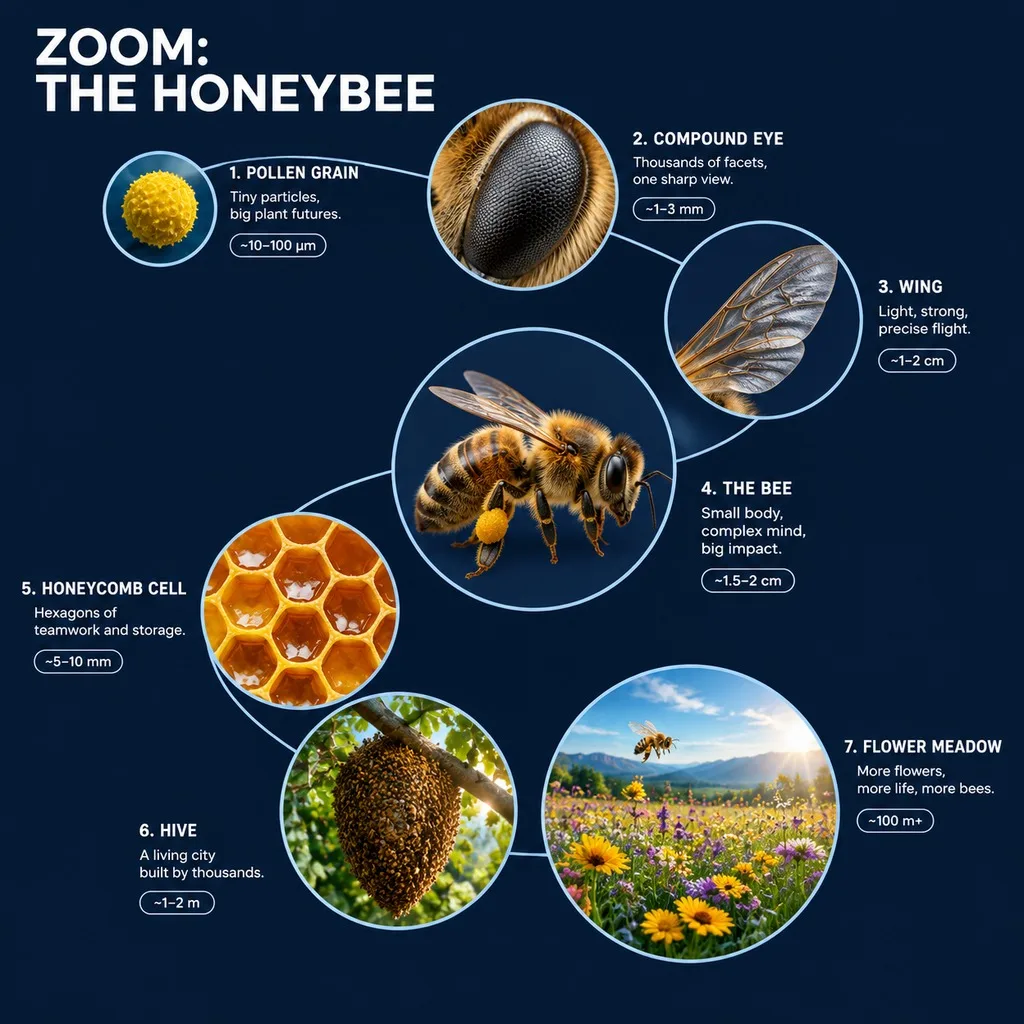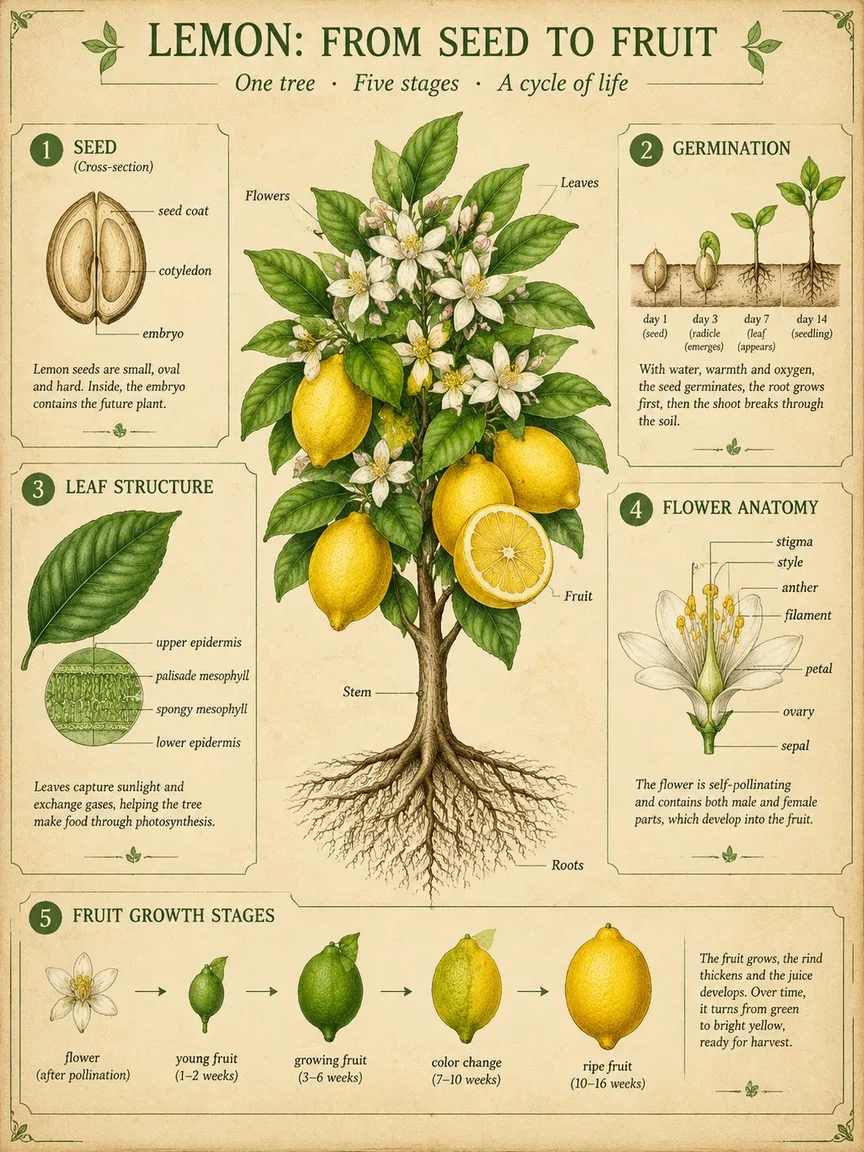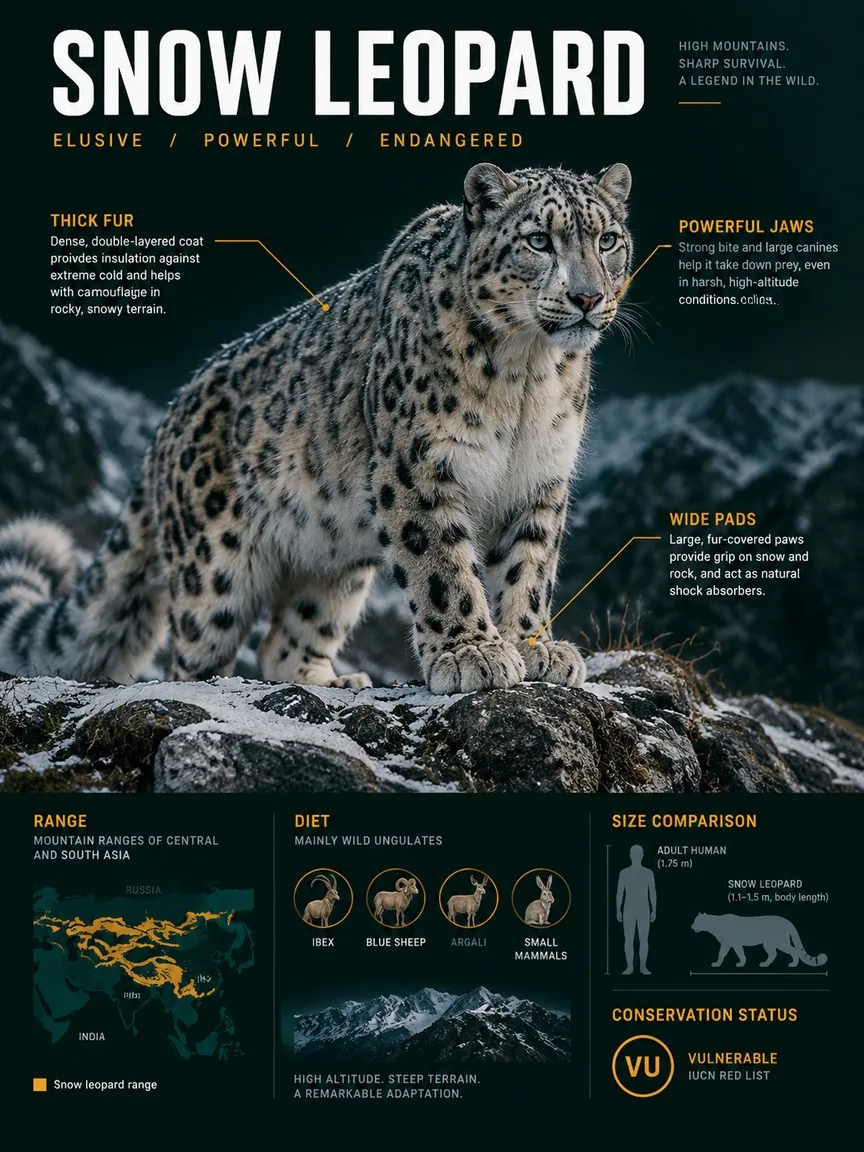
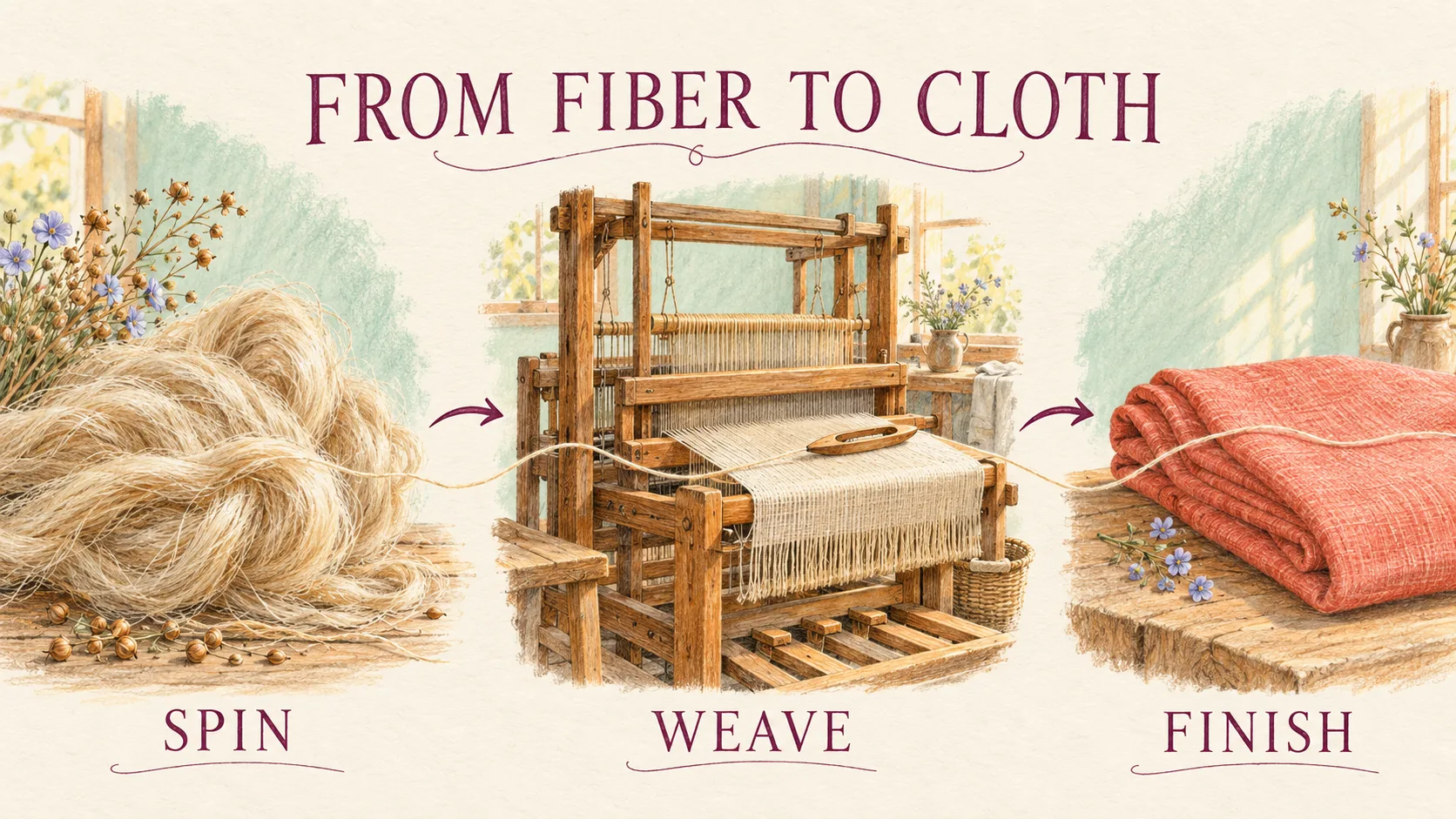
From Fiber Onward, made with GPT Image 2.5 Sunburst
Example made with GPT Image 2.5 Sunburst

Text to imageInfographics & diagrams

GPT Image 2.5 Sunburst timeline infographic promptFrom Fiber Onward

The exact text-to-image prompt behind this picture, made with GPT Image 2.5 Sunburst.

Prompt

Wide 16:9 landscape frame. A single flowing thread connects three large illustrations of loose flax fiber, a wooden loom and a folded coral cloth, forming an uncluttered textile process timeline. Fine colored pencil and cream paper texture meet clean plum arrows, with warm illustrated workshop light and mint background washes. Keep each object generous and distinct, title reading "FROM FIBER TO CLOTH", stage labels "SPIN", "WEAVE" and "FINISH", no logos, no other text.

Prompts are kept in their original English to help reproduce the example. Copy one as it is, or adapt it for your project.

Opens GPT Image 2.5 Sunburst with this prompt and the settings below filled in.

135 tested GPT Image prompts →

Settings

Mode
Text to image
Aspect ratio
16:9
Quality
high
Price
From 2 credits

The exact price shows before you generate.

Make your own version

  1. The words in quotes, "FROM FIBER TO CLOTH", are printed in the picture. Keep them short and change them to your own.
  2. For a different mood, rewrite only the light: with warm illustrated workshop light and mint background washes.

Style prompt guide

Style traits to keep

A wide textile process timeline in which one thread links loose flax fiber, a wooden loom and a folded coral cloth, drawn in soft colored pencil on cream paper. It works because the style words (pencil, paper, plum arrows, mint washes) set a calm palette. The short, exact text list keeps the labels clean.

This style looks like a gentle, hand-made educational poster. Its traits come straight from the prompt wording.

Palette
Cream paper, mint washes, coral cloth and plum arrows form a soft, limited set of colors. The coral and plum pop against the pale ground, so the eye follows the process easily.
Line
Fine colored pencil gives thin, slightly textured outlines and light shading. It feels crafted and human, which suits a story about spinning and weaving.
Texture
The cream paper grain shows through the pencil work, so the image looks drawn on real stock instead of generated on a smooth digital surface.
Composition
One thread runs across a wide frame, with three generous objects evenly spaced. The empty space between them keeps the timeline uncluttered and easy to read.

What defines this look

  1. Format and canvasWide 16:9 landscape frame.

    This sets a wide canvas so three objects can sit side by side along one timeline. In a square or tall frame the objects would shrink or stack, and the left-to-right reading order would be lost.

  2. Subject and sequenceA single flowing thread connects three large illustrations of loose flax fiber, a wooden loom and a folded coral cloth

    Names the three stages and the thread that ties them together. Remove the thread and you get three separate pictures, not a process. Swapping the objects changes the whole story.

  3. Medium and lineFine colored pencil and cream paper texture meet clean plum arrows

    Defines the hand-drawn look: fine pencil strokes on warm paper, with crisp plum arrows for direction. Drop it and the model drifts toward flat vector icons or a glossy render.

  4. Light and colorwarm illustrated workshop light and mint background washes

    Adds a soft, cozy glow and pale mint areas behind the objects. These cool washes make the coral cloth and plum arrows stand out. Without them the background may turn plain white or muddy beige.

  5. Spacing and text controlKeep each object generous and distinct, title reading "FROM FIBER TO CLOTH", stage labels "SPIN", "WEAVE" and "FINISH", no logos, no other text.

    Keeps the objects large and separate, and spells out every word that may appear. Quoted capitals make the spelling reliable. Removing "no other text" invites invented captions and gibberish.

Same style, new subjects

Bread timeline

Same style on a food subject; good for a kitchen or cooking class poster.

Prompt

Wide 16:9 landscape frame. A single flowing thread connects three large illustrations of a wheat bundle, a stone mill and a golden loaf, forming an uncluttered baking process timeline. Fine colored pencil and cream paper texture meet clean plum arrows, with warm illustrated workshop light and mint background washes. Keep each object generous and distinct, title reading "FROM GRAIN TO LOAF", stage labels "MILL", "KNEAD" and "BAKE", no logos, no other text.

Pottery path

Moves the style to a craft with a different color accent, useful for studio or workshop signs.

Prompt

Wide 16:9 landscape frame. A single flowing thread connects three large illustrations of a lump of clay, a potter's wheel and a glazed blue bowl, forming an uncluttered pottery process timeline. Fine colored pencil and cream paper texture meet clean plum arrows, with warm illustrated workshop light and mint background washes. Keep each object generous and distinct, title reading "FROM CLAY TO BOWL", stage labels "SHAPE", "FIRE" and "GLAZE", no logos, no other text.

Garden cycle

A nature subject in the same drawn look; ideal for a school or garden club handout.

Prompt

Wide 16:9 landscape frame. A single flowing thread connects three large illustrations of a tiny seed packet, a young seedling in a pot and a blooming sunflower, forming an uncluttered growth timeline. Fine colored pencil and cream paper texture meet clean plum arrows, with warm illustrated garden light and mint background washes. Keep each object generous and distinct, title reading "FROM SEED TO BLOOM", stage labels "PLANT", "GROW" and "BLOOM", no logos, no other text.

Model and settings

Keep the 16:9 ratio, because the timeline needs width for three separated objects and the thread between them. Keep quality on high, since small stage labels and fine pencil lines depend on detail. If you want a poster for print or a phone story, switch to a taller ratio, but expect to shorten the title and reduce spacing. For a quick draft, lower the quality and check only the layout and spelling.

  • Nano Banana ProPick it when you want more steps or longer labels, since it plans the layout first and handles dense text and diagrams. It suits a version of this timeline with five or six stages.
  • Nano Banana 2.1A good choice if the label spelling matters most. Its sharp text and 4K output suit a large print of this timeline.

When the style drifts

The style turns into flat vector icons or a glossy 3D look.
Repeat the medium: add "visible colored pencil strokes, paper grain" and remove any words like "clean modern design" that push toward vectors.
Extra words or misspelled labels appear.
Keep "no other text" at the end and keep the quoted words in capitals. Do not add more labels or descriptive phrases that the model may try to write out.
The objects are small or crowded, and the thread gets lost.
Repeat "generous and distinct" and add "wide empty space between objects". Remove extra decorations or scene details.
Colors turn muddy or beige, and the mint disappears.
Name the colors again: "pale mint washes behind each object, coral cloth, plum arrows", and avoid adding more colors.

Questions about this style prompt

Why does the prompt put the text in quotation marks?

Quotation marks tell GPT Image 2.5 Sunburst exactly which characters to draw. The title and the three stage words stay as written, and capitals help the lettering come out consistent.

Can I change the three objects and keep the look?

Yes. Replace flax, loom and cloth with another three-step process, then change the title and labels to match. Keep the pencil, paper, plum arrow and mint wash wording so the style stays the same.

Why is it called a timeline if there are no dates?

The thread and the left-to-right order of the objects make it a sequence. The labels SPIN, WEAVE and FINISH give the steps, so no dates or numbers are needed.