


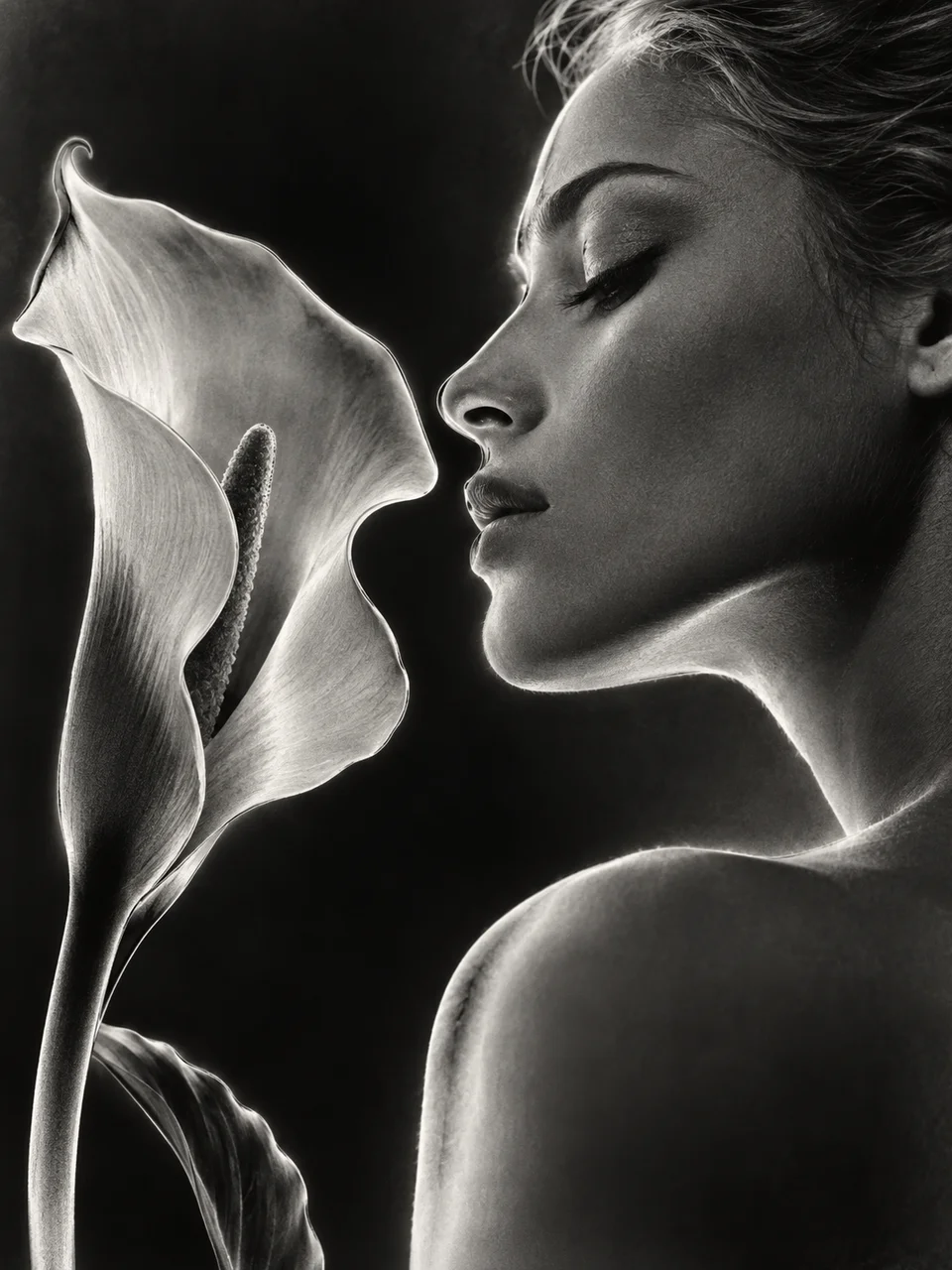
Solarized AI Photo Generator: Sabattier Solarization
Partial tonal reversal creates a fine silver edge.
- From a description only
- Best shape: 3:4 · 4:5 · 1:1
Works on
- Seedream 5.0 Pro
- Qwen Image 3.0
- Nano Banana 2.1
- Seedream 5.0 Flash
About Sabattier Solarization
Sabattier Solarization draws on a darkroom effect produced by re-exposing photographic material to light during development. Selected tones reverse, while fine boundary lines can separate neighboring areas. This interpretation keeps a controlled monochrome scale and smooth photographic surfaces, letting the altered light-dark relationships feel precise. A cheek, leaf, or metal curve may acquire an unexpected silver edge. Recognizable form remains central, with the strangeness coming from the tones rather than duplicated subjects or rainbow color.
A profile against a pale wall, a curled leaf, a polished metal pitcher, or a folded white glove gives the effect clear boundaries to work across. Describe the shape and one directional source of light. The page builds these subjects from a written description. Simple curved surfaces are especially useful because you can still understand their volume after some middle tones reverse. Busy patterns can scatter the fine contour lines and make the subject harder to read.
Try “a person in profile against a pale studio wall, with smooth side lighting” or “a curled magnolia leaf on a simple gray surface”. You could also choose “a polished metal pitcher beside a folded white cloth”. A pale background makes the dark boundary lines more visible; a dark setting lets silver-like edges become the focus. Larger uninterrupted surfaces create broader tonal reversals, while many small objects make the effect more fragmented and intricate.
Tips
- Use a profile or clean outer contour so the boundary line has a clear path.
- Choose smooth ceramics, leaves, or metal when broad reversed tones matter most.
- Keep the scene monochrome to let partial reversal remain the main visual event.
- Limit patterned clothing because fine print can compete with the contour lines.
- Describe one light direction so the altered tones still follow understandable form.
What the style adds
Your words go where it says “your subject”. Everything else is added for you.
your subject. Use a Sabattier darkroom solarization effect with partial reversal in selected midtones and fine Mackie lines at tonal boundaries. Preserve clear recognizable form, a controlled monochrome scale and smooth photographic surfaces. Avoid posterization, rainbow colors or multiple ghost images.
Models and price
- Seedream 5.0 Pro36 credits
- Qwen Image 3.030 credits
- Nano Banana 2.148 credits
- Seedream 5.0 Flash29 credits
One 1K image from a description. The button always shows the exact price before you spend anything.
How to use Sabattier Solarization
- Describe itWrite who or what should be in the picture. A small action and a clear place work best.
- Pick a shapeKeep the suggested ratio and model, or change them in the bar at the bottom.
- Paint itPress “Paint it”. The price is on the button before you spend anything.
Questions about Sabattier Solarization
Can I use Sabattier Solarization on my own photo?
Not yet. This style works from a description: write what you want to see and the style adds the look.
How much does one Sabattier Solarization image cost?
29 credits for one 1K image on Seedream 5.0 Flash. 2K costs more, and the button shows the exact price before you run it.
Will the whole image become a negative?
The intended result uses partial reversal, with some familiar tones remaining intact. That balance lets you recognize the subject while selected regions feel unexpectedly inverted or separated by a fine silver-like boundary.
Is this a flat poster effect?
It should retain smooth photographic modeling and recognizable surfaces. Large blocks of flat color or harsh steps between a few tones would lose the subtle relationship between normal tones, reversed regions, and fine contour lines.
How does it differ from Bleach Bypass?
Bleach Bypass keeps ordinary tonal order while increasing density and reducing color saturation. Sabattier Solarization deliberately reverses selected tones within a monochrome image, producing unusual light-dark relationships and thin lines along some tonal boundaries.
Similar styles
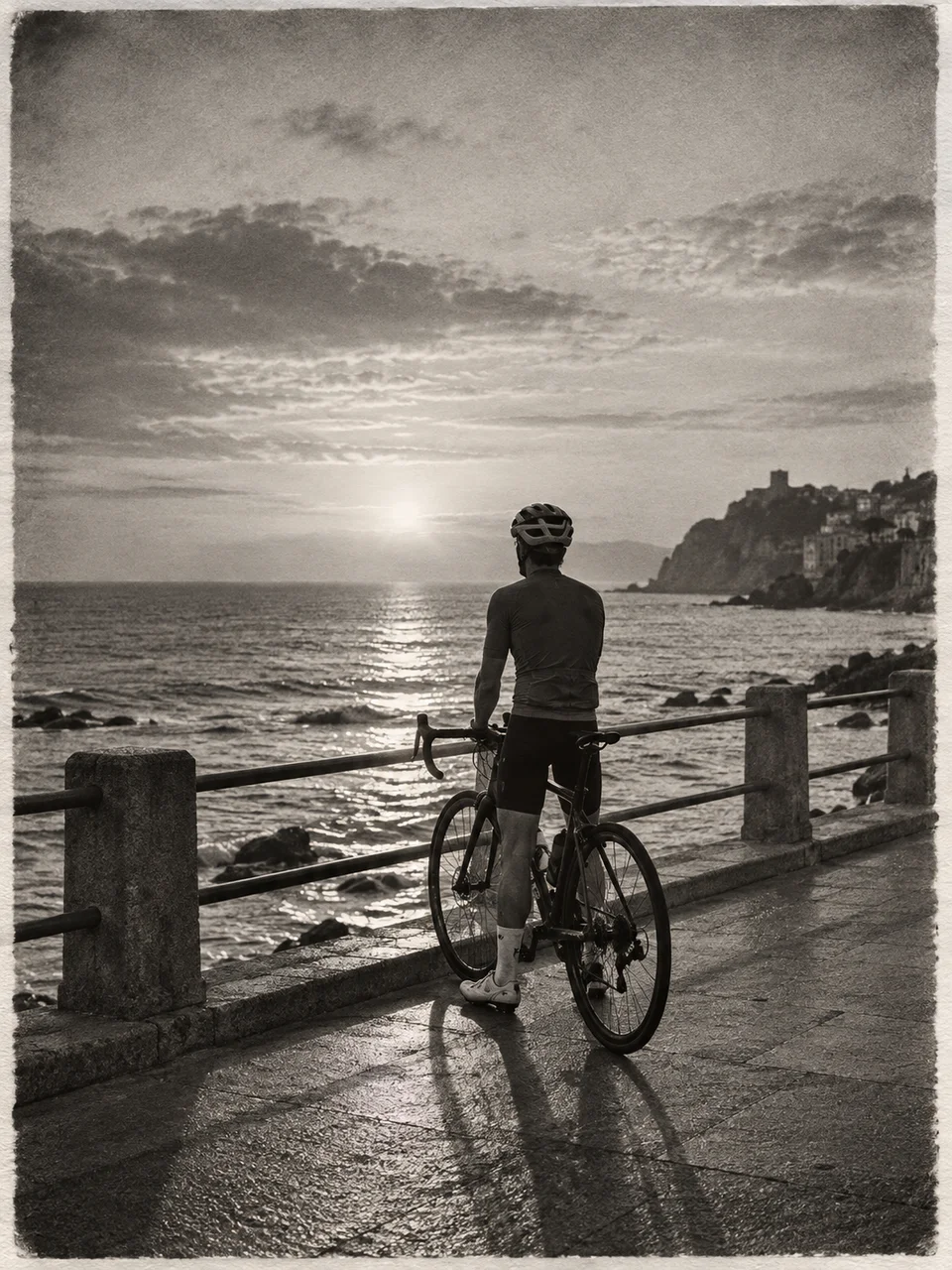 Silver Gelatin
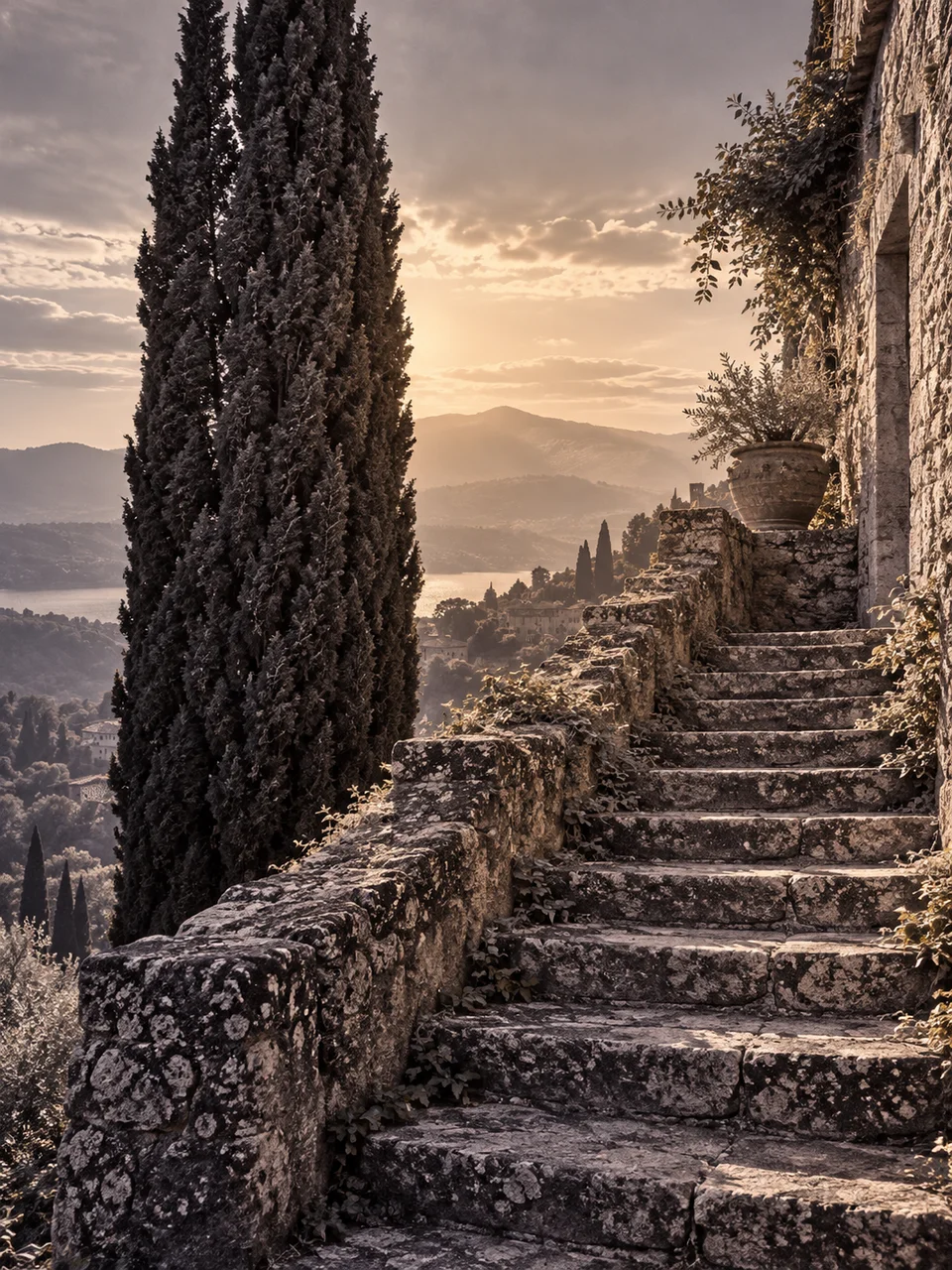 Selenium Split Tone
 Bleach Bypass
 Cross Processed Chrome
Bring it to life
Effects that turn a still in this look into a short video.
 Noir Blinds
 The Turn