


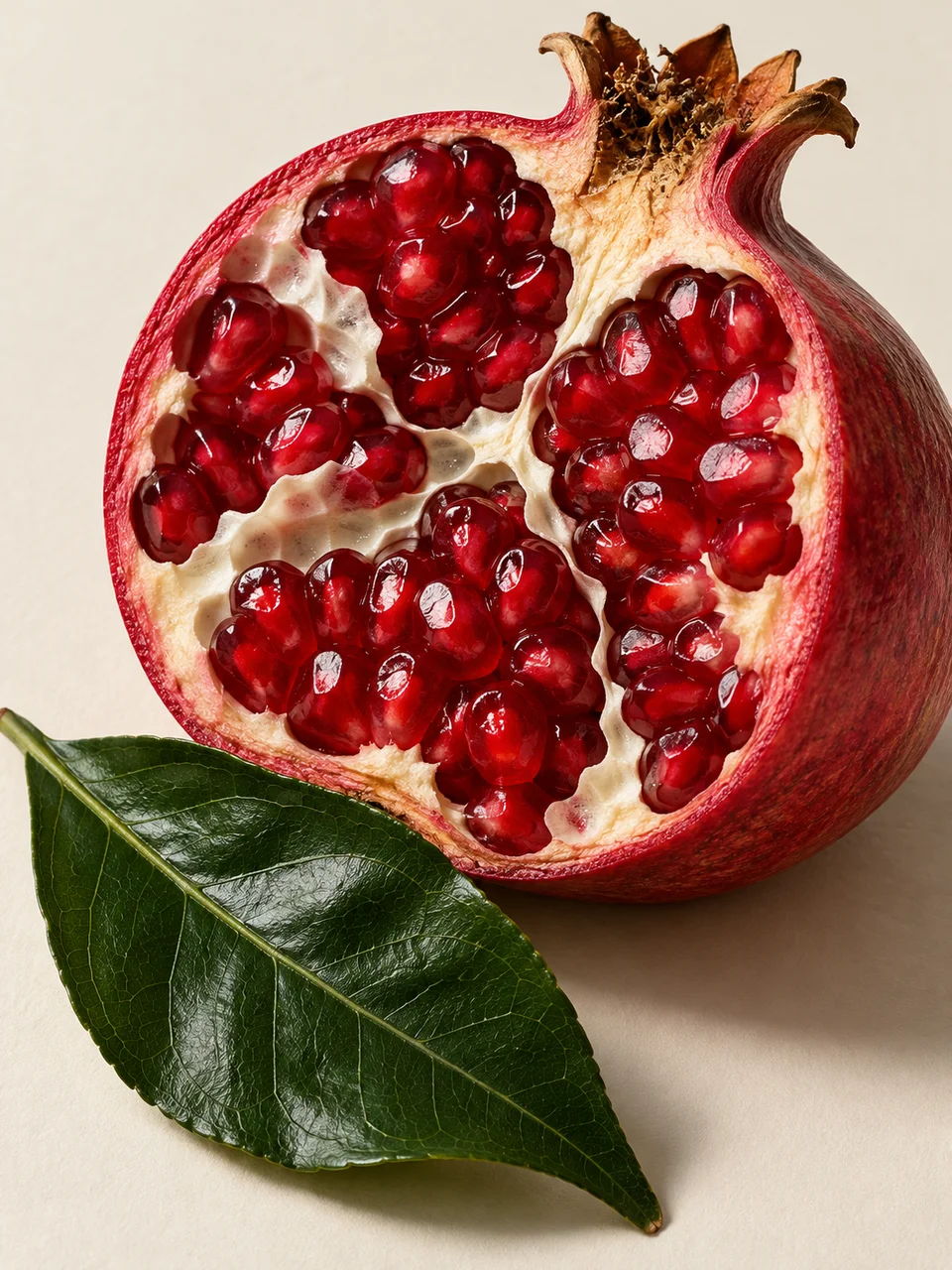
Glare Free AI Photo Generator: Cross Polarized Detail
Glare falls away so color and material structure lead.
- From a description only
- Best shape: 3:4 · 4:5 · 1:1
Works on
- Seedream 5.0 Pro
- Qwen Image 3.0
- Nano Banana 2.1
- Seedream 5.0 Flash
About Cross Polarized Detail
Cross Polarized Detail puts surface color ahead of bright reflections. In photography, cross polarization can reduce glare by filtering the illumination and the light reaching the camera. This style evokes that controlled studio result: pigments look rich, fine texture remains visible, and gentle directional shading preserves volume. The impression is close observation of the material, with soft illumination and clean edges instead of glossy advertising highlights.
Painted tiles, a butterfly wing, a woven textile and a fruit peel offer distinct structures worth examining. An old painted wooden toy is another good candidate, with chips and pigment changes that glare might otherwise conceal. State the actual material, its color and the texture you want to see. This treatment creates a new image from your written description of those visible surface qualities and forms.
Try “a cobalt painted ceramic tile with fine glaze cracks” or “a close study of orange peel with visible pores.” For fibers, enter “a folded indigo woven cloth with individual threads visible.” A nearly frontal view makes patterns easier to compare; a slight turn adds depth through shading. Strongly metallic surfaces need different expectations because removing glare does not reveal their structure in the same way as painted material.
Tips
- Choose pigmented or fibrous surfaces whose color benefits from reduced reflection, such as paint, paper or cloth.
- Describe a shallow angle if you want relief to remain visible alongside the clear surface color.
- Include a neutral surrounding area to make rich pigments look grounded rather than excessively intensified.
- Keep fine texture specific: cracked glaze, woven threads and fruit pores produce very different close studies.
- Avoid asking for dazzling sparkle when the main purpose is to examine color beneath distracting glare.
What the style adds
Your words go where it says “your subject”. Everything else is added for you.
your subject. Create a cross-polarized studio-photography look with suppressed glare, saturated true pigment and exceptionally readable surface detail. Use soft frontal illumination plus gentle directional modeling. Preserve actual material color and edges without flattened depth, oversharpening or a digital illustration appearance.
Models and price
- Seedream 5.0 Pro36 credits
- Qwen Image 3.030 credits
- Nano Banana 2.148 credits
- Seedream 5.0 Flash29 credits
One 1K image from a description. The button always shows the exact price before you spend anything.
How to use Cross Polarized Detail
- Describe itWrite who or what should be in the picture. A small action and a clear place work best.
- Pick a shapeKeep the suggested ratio and model, or change them in the bar at the bottom.
- Paint itPress “Paint it”. The price is on the button before you spend anything.
Questions about Cross Polarized Detail
Can I use Cross Polarized Detail on my own photo?
Not yet. This style works from a description: write what you want to see and the style adds the look.
How much does one Cross Polarized Detail image cost?
29 credits for one 1K image on Seedream 5.0 Flash. 2K costs more, and the button shows the exact price before you run it.
Will this make every material completely matte?
The style reduces the appearance of glare while keeping useful shading and surface structure. It should still distinguish woven cloth from glazed ceramic, although it is a visual interpretation of a photographic technique.
How does it differ from Book Light?
Book Light creates broad, soft reflections and gentle illumination. Cross Polarized Detail specifically favors seeing pigment and texture through reduced glare, making it a better fit when bright surface reflections would hide useful detail.
Is it suitable for reflective metal?
Metal can still be depicted, but this look is most informative on painted, organic or fibrous surfaces. If you want long highlights to reveal a polished object's curvature, Stripbox Sculpture is more directly suited to that goal.
Similar styles
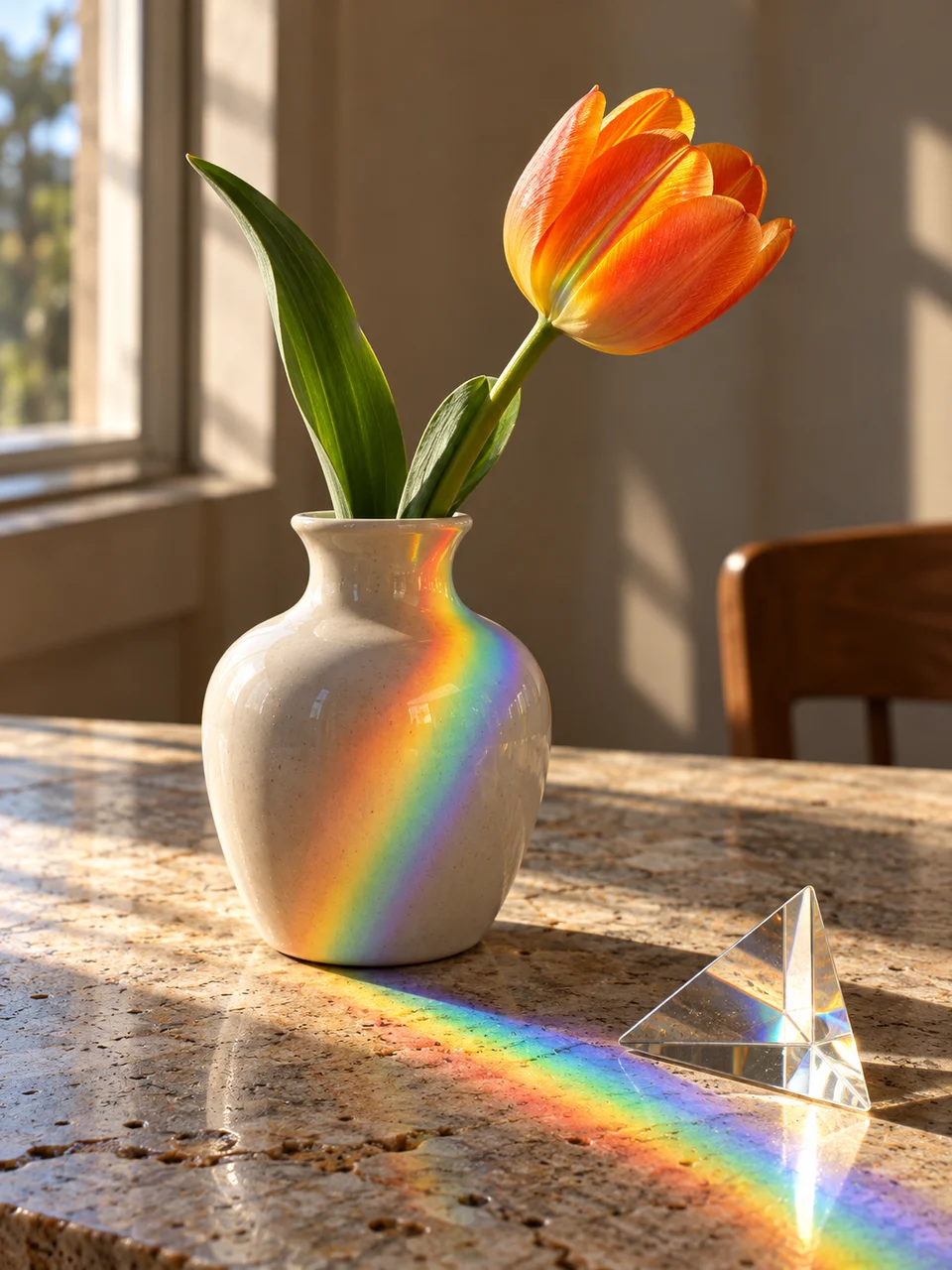 Prism Sunlight
 Negative Fill
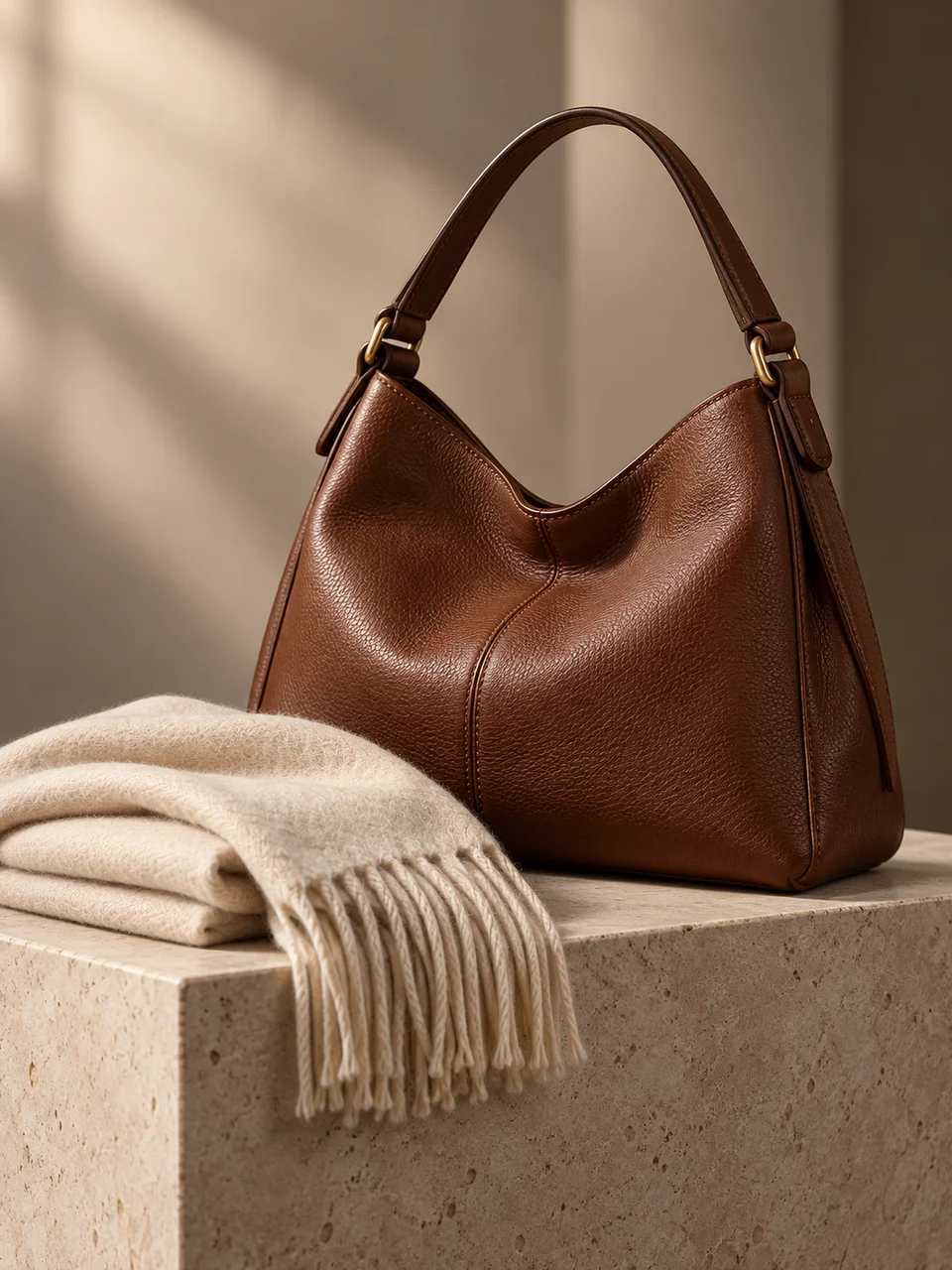 Book Light
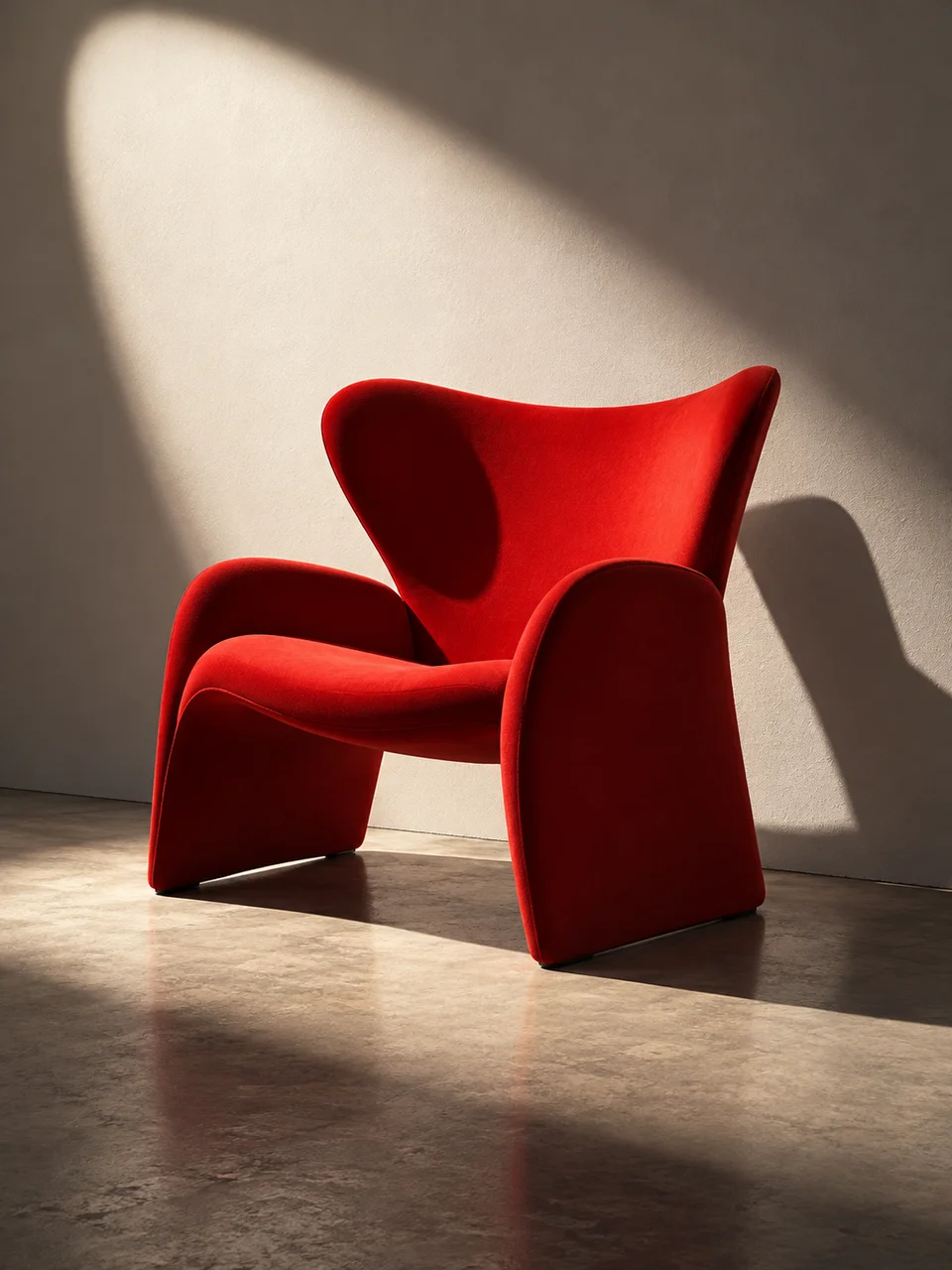 Hard Fresnel
Bring it to life
Effects that turn a still in this look into a short video.
 Slow Push-In
 360 Turntable