

Shadow Sculpting AI Photo Generator: Negative Fill
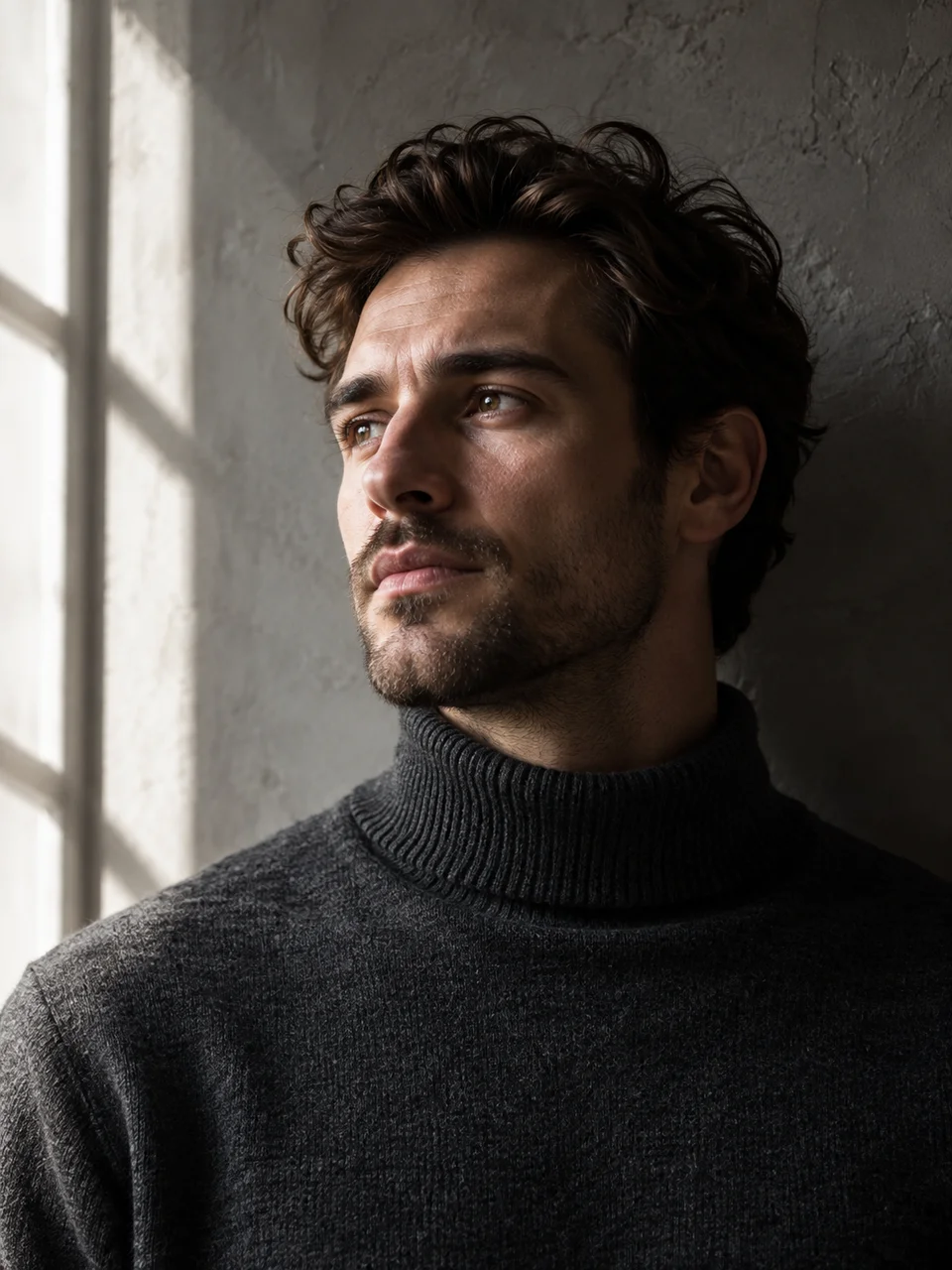
Soft daylight meets deep sculpted shadow.
- From a description only
- Best shape: 3:4 · 4:5 · 1:1
Works on
- Seedream 5.0 Pro
- Qwen Image 3.0
- Nano Banana 2.1
- Seedream 5.0 Flash
About Negative Fill
Negative Fill shapes an image by reducing reflected light on the side opposite a broad window. In studio and location photography, dark surfaces beside a subject can absorb the light that would otherwise soften its shadows. Here, that principle produces a gentle bright side and a deeper shaded side, with enough detail to follow the outline. Neutral color, tactile materials, and a simple frame make the change in tone feel dimensional without relying on a darkened border.
Subjects with clear contours give this light something to describe. A person in a charcoal sweater beside a window, a stoneware jug on a shelf, a folded linen jacket, or a pear on a wooden stool can each hold a strong light-to-shadow transition. State which side faces the window and name the surface texture you want visible. The style starts from a written description and suits close studies with just a few objects.
Describe “a person in a charcoal sweater beside a broad window on the left” or “a rough stoneware jug on a wooden shelf, soft daylight from the right”. For a simple still life, try “a green pear on a low stool beside a window, its shaded edge clearly visible”. Turning the subject toward the window reveals more surface detail; turning it away expands the shadow and gives the same shape a more reserved presence.
Tips
- Identify the window side explicitly. One clear light direction makes the brighter and darker planes easier to understand.
- Use middle-toned fabric or clay if you want shadow detail to remain visible. Very dark glossy objects can merge with their surroundings.
- Separate a shaded face or object from the background with a small tonal difference so its outer edge stays readable.
- Request a broad window for gentle highlight transitions. A tiny bright source would introduce harder shadow edges than this look needs.
- Let the subject occupy most of a 3:4 or square frame; extra room filled with unrelated objects weakens the study of form.
What the style adds
Your words go where it says “your subject”. Everything else is added for you.
your subject. Light with one broad window and strong negative fill on the opposite side. Let shadows deepen naturally without losing edge detail, while highlights roll off gently. Use neutral color, tactile surfaces and a simple composition; avoid theatrical beams, crushed blacks or artificial vignette.
Models and price
- Seedream 5.0 Pro36 credits
- Qwen Image 3.030 credits
- Nano Banana 2.148 credits
- Seedream 5.0 Flash29 credits
One 1K image from a description. The button always shows the exact price before you spend anything.
How to use Negative Fill
- Describe itWrite who or what should be in the picture. A small action and a clear place work best.
- Pick a shapeKeep the suggested ratio and model, or change them in the bar at the bottom.
- Paint itPress “Paint it”. The price is on the button before you spend anything.
Questions about Negative Fill
Can I use Negative Fill on my own photo?
Not yet. This style works from a description: write what you want to see and the style adds the look.
How much does one Negative Fill image cost?
29 credits for one 1K image on Seedream 5.0 Flash. 2K costs more, and the button shows the exact price before you run it.
Does negative fill mean adding a black shadow?
Negative fill refers to taking away reflected light, often with a dark surface near the subject. The resulting shadows follow the subject’s form. In this style, the shaded areas stay readable and the brighter side keeps a soft daylight quality.
How is Negative Fill different from Hard Fresnel?
Negative Fill pairs broad, soft illumination with reduced reflection on the shadow side. Hard Fresnel uses a focused light and sharply defined shadow edges. Choose Negative Fill for smooth transitions across a face, cloth fold, or rounded ceramic surface.
Will dark clothing disappear into the background?
It can become difficult to separate if both have the same tone. Describe a slightly lighter wall behind a dark sweater, or choose textured mid-gray clothing. This gives the shaded outline enough contrast while keeping the deeper side of the portrait.
Similar styles
 Prism Sunlight
 Book Light
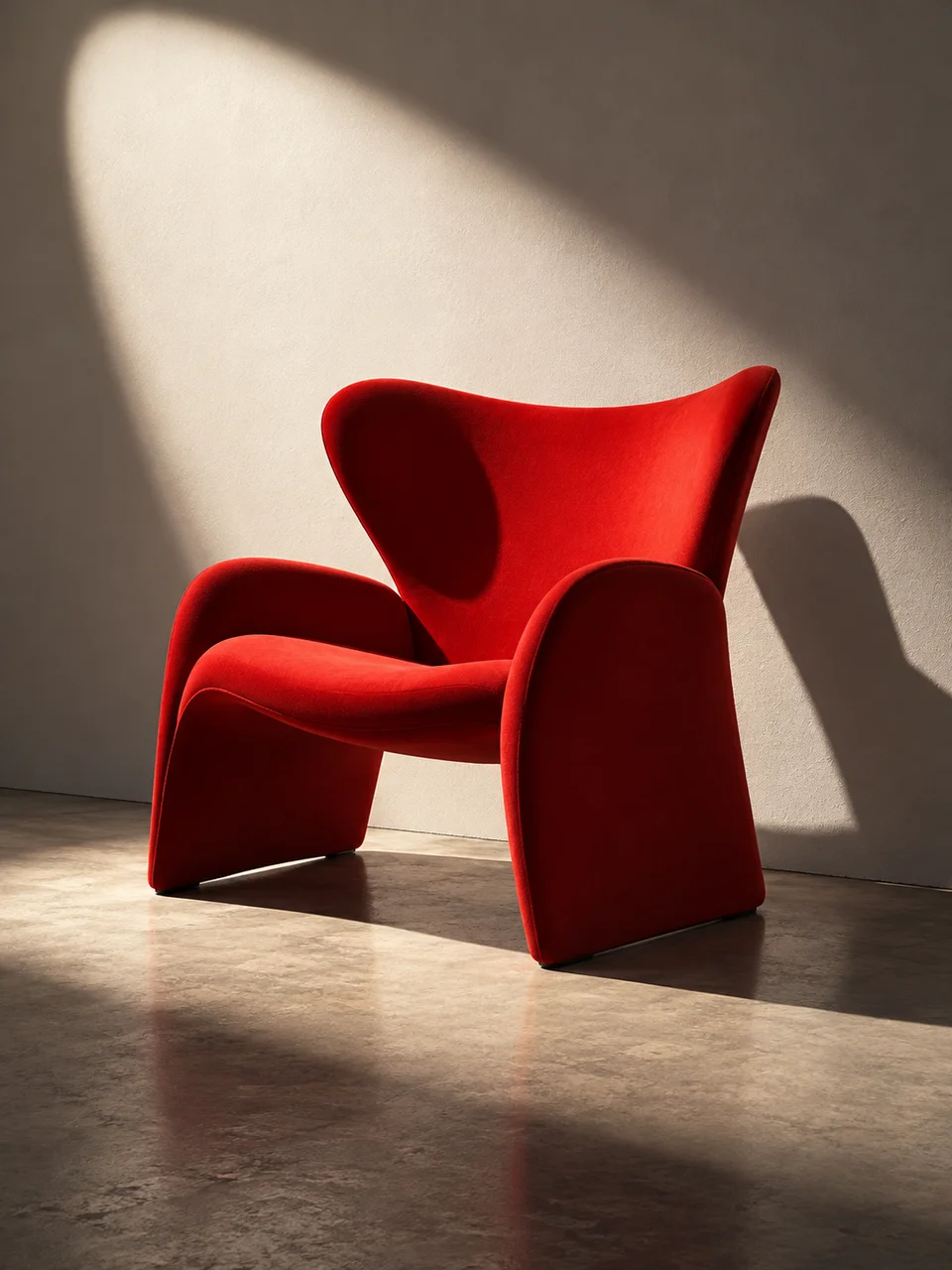 Hard Fresnel
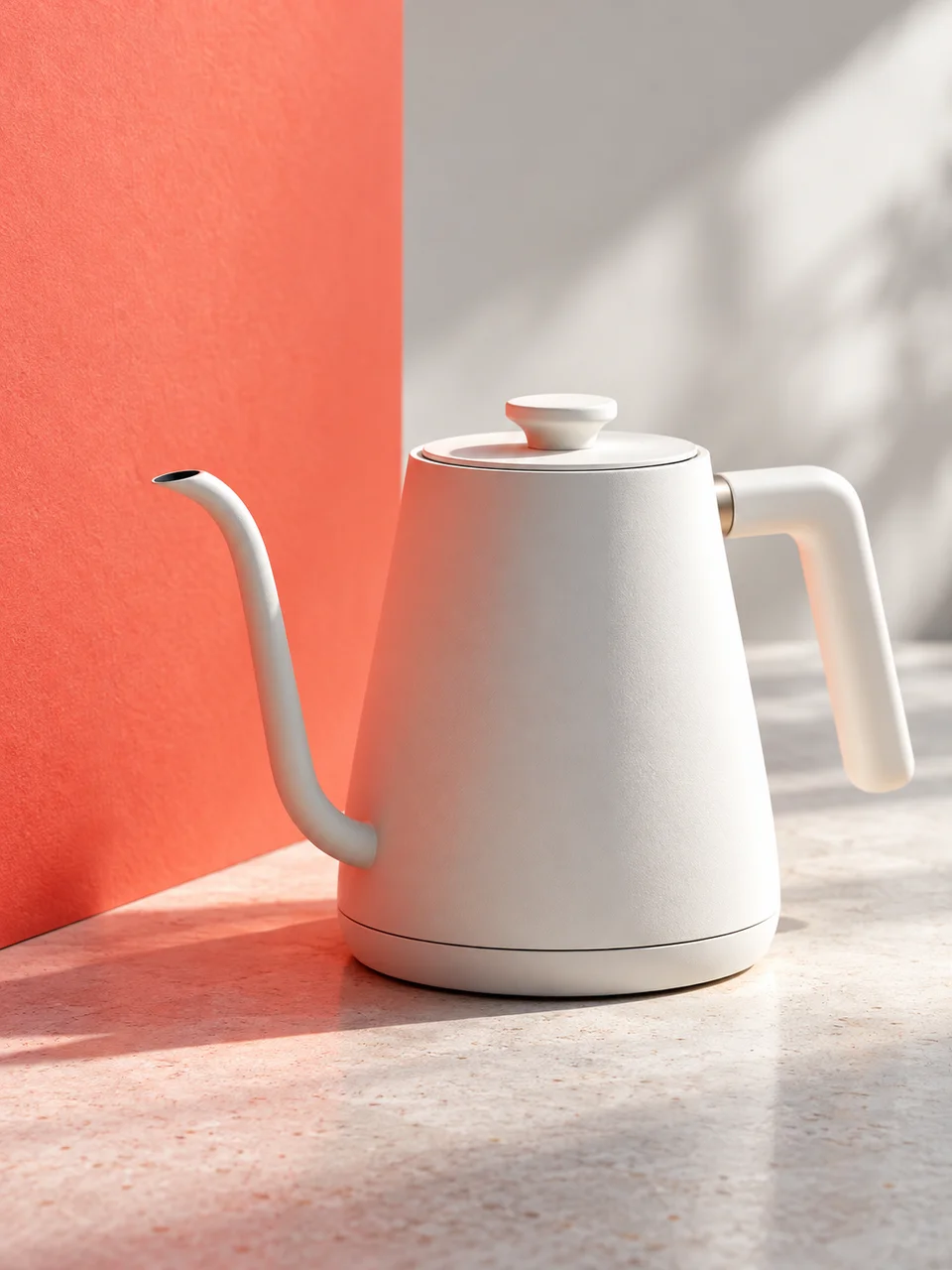 Color Bounce
Bring it to life
Effects that turn a still in this look into a short video.
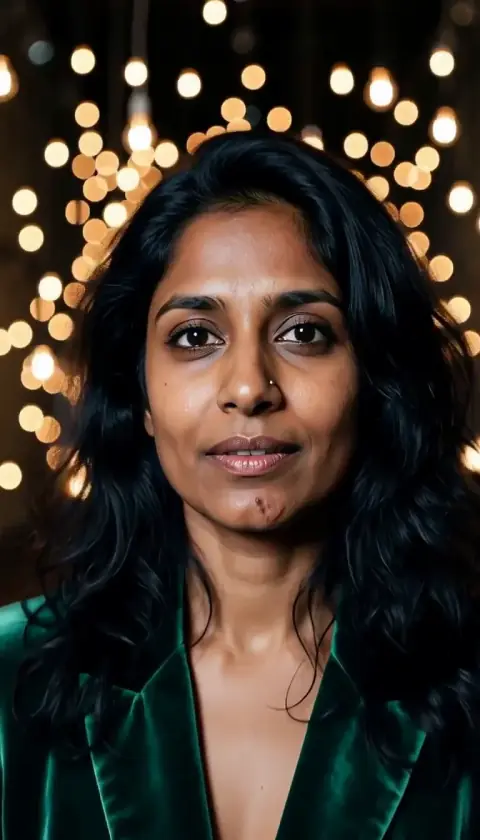 Slow Push-In
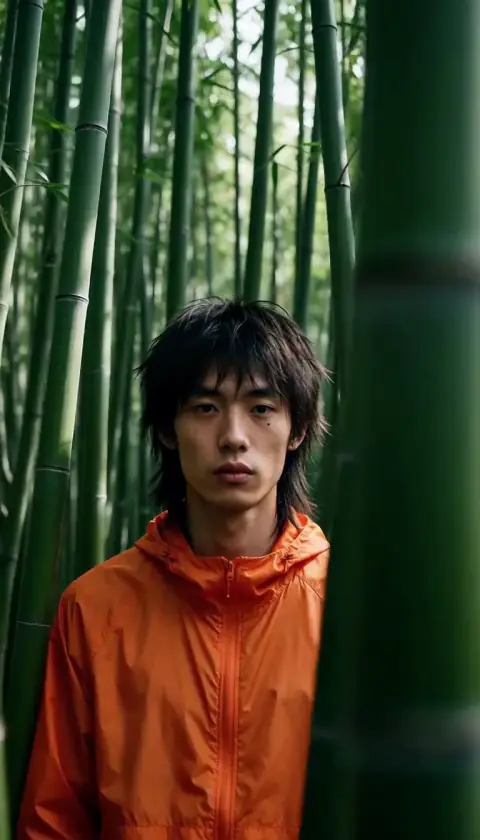 Slider Parallax