

Focused Beam AI Photo Generator: Hard Fresnel
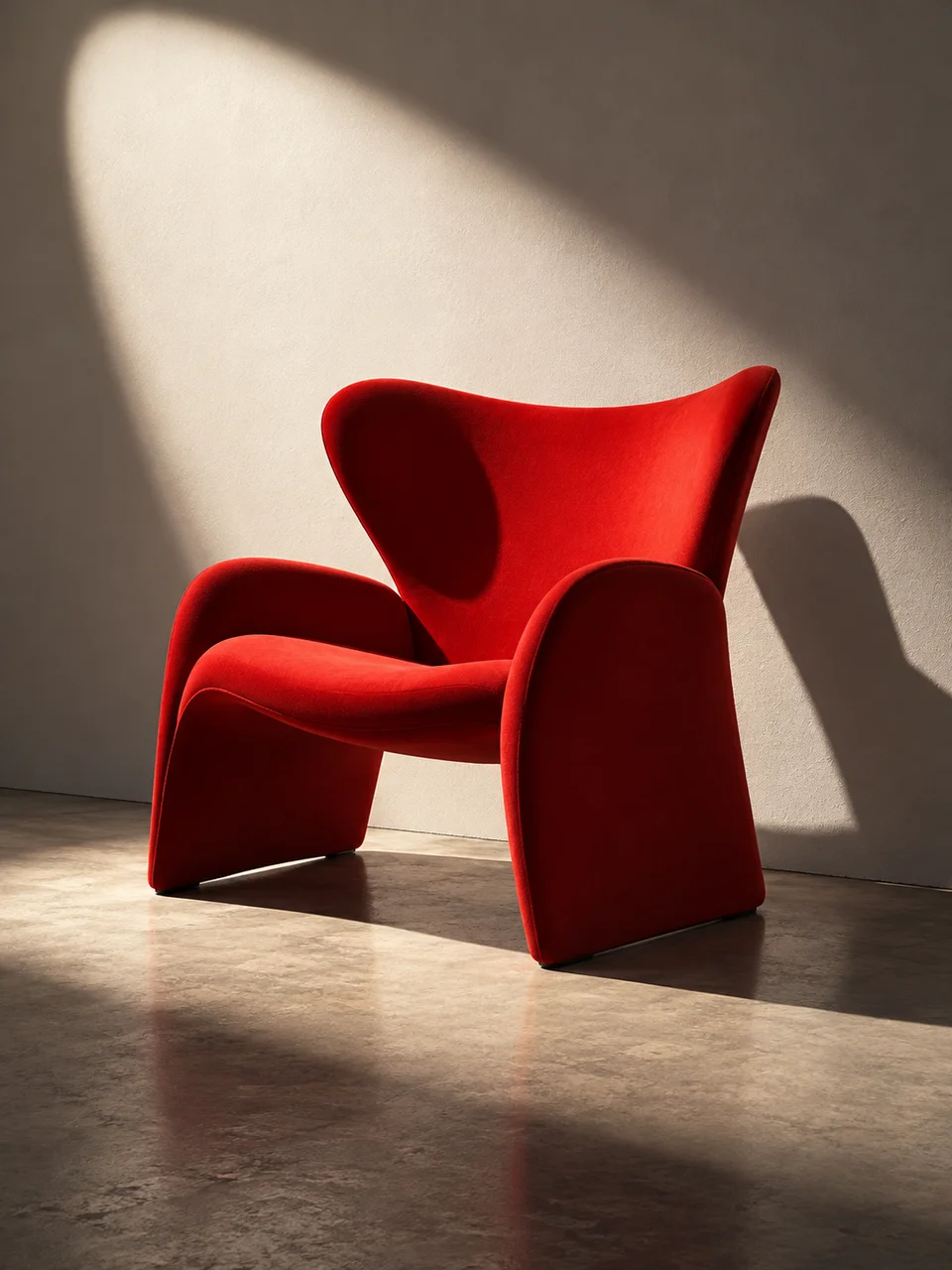
A precise theatrical beam reveals crisp form.
- From a description only
- Best shape: 3:4 · 4:5 · 1:1
Works on
- Seedream 5.0 Pro
- Qwen Image 3.0
- Nano Banana 2.1
- Seedream 5.0 Flash
About Hard Fresnel
Hard Fresnel borrows from controlled theater and studio lighting: a focused key light defines the subject, and its shadows fall with crisp edges. A Fresnel lens helps shape a useful beam; the visible effect here is the light landing on surfaces, with no need to show the fixture itself. A controlled bright area and minimal surrounding fill emphasize geometry, while small reflections explain polished materials. The surrounding scene stays readable beyond the main pool of illumination.
Choose objects or poses with edges that cast an interesting shadow. A person in a structured jacket against a wall, a metal pitcher on a plinth, a folded paper cone, or a wooden chair on a bare floor gives the beam a distinct shape to reveal. Describe where the light arrives and where the shadow falls. This style uses a written description, so include the wall or floor that will receive the shadow.
Try “a person in a structured jacket near a gray wall, a focused light from the upper left” or “a brushed metal pitcher on a low plinth with a crisp shadow to the right”. For stronger geometry, use “a folded paper cone on a bare floor inside a small pool of light”. A low light position lengthens the cast shadow; a higher position pulls it closer beneath the subject and makes the arrangement more compact.
Tips
- Give the beam a landing place, such as a wall, floor, or plinth. This makes its boundary and the cast shadow visible.
- Specify one key direction and keep secondary illumination modest. Several equally strong lights can produce competing shadows.
- Choose a sculptural collar, angular paper fold, or defined handle to create a recognizable silhouette on the nearby surface.
- For reflective metal, describe a brushed finish if you want controlled highlights. A highly polished finish can make bright reflections dominate.
- Leave enough space beside the subject for the shadow. A tight head crop can remove the geometry that gives the light its character.
What the style adds
Your words go where it says “your subject”. Everything else is added for you.
your subject. Use a focused Fresnel-style key with sharply defined shadow edges and a controlled pool of light. Keep the surrounding scene minimally filled but readable. Direct specular response and coherent geometry shape the subject; avoid visible light-fixture props, arbitrary beams or smoky spectacle.
Models and price
- Seedream 5.0 Pro36 credits
- Qwen Image 3.030 credits
- Nano Banana 2.148 credits
- Seedream 5.0 Flash29 credits
One 1K image from a description. The button always shows the exact price before you spend anything.
How to use Hard Fresnel
- Describe itWrite who or what should be in the picture. A small action and a clear place work best.
- Pick a shapeKeep the suggested ratio and model, or change them in the bar at the bottom.
- Paint itPress “Paint it”. The price is on the button before you spend anything.
Questions about Hard Fresnel
Can I use Hard Fresnel on my own photo?
Not yet. This style works from a description: write what you want to see and the style adds the look.
How much does one Hard Fresnel image cost?
29 credits for one 1K image on Seedream 5.0 Flash. 2K costs more, and the button shows the exact price before you run it.
Will I see a beam hanging in the air?
The style emphasizes illumination on the subject and the shadow it casts. Clear air usually makes the beam itself unobtrusive. Describe the lit patch on a wall or floor when you want its direction to be especially easy to see.
How does Hard Fresnel differ from Leaf Gobo?
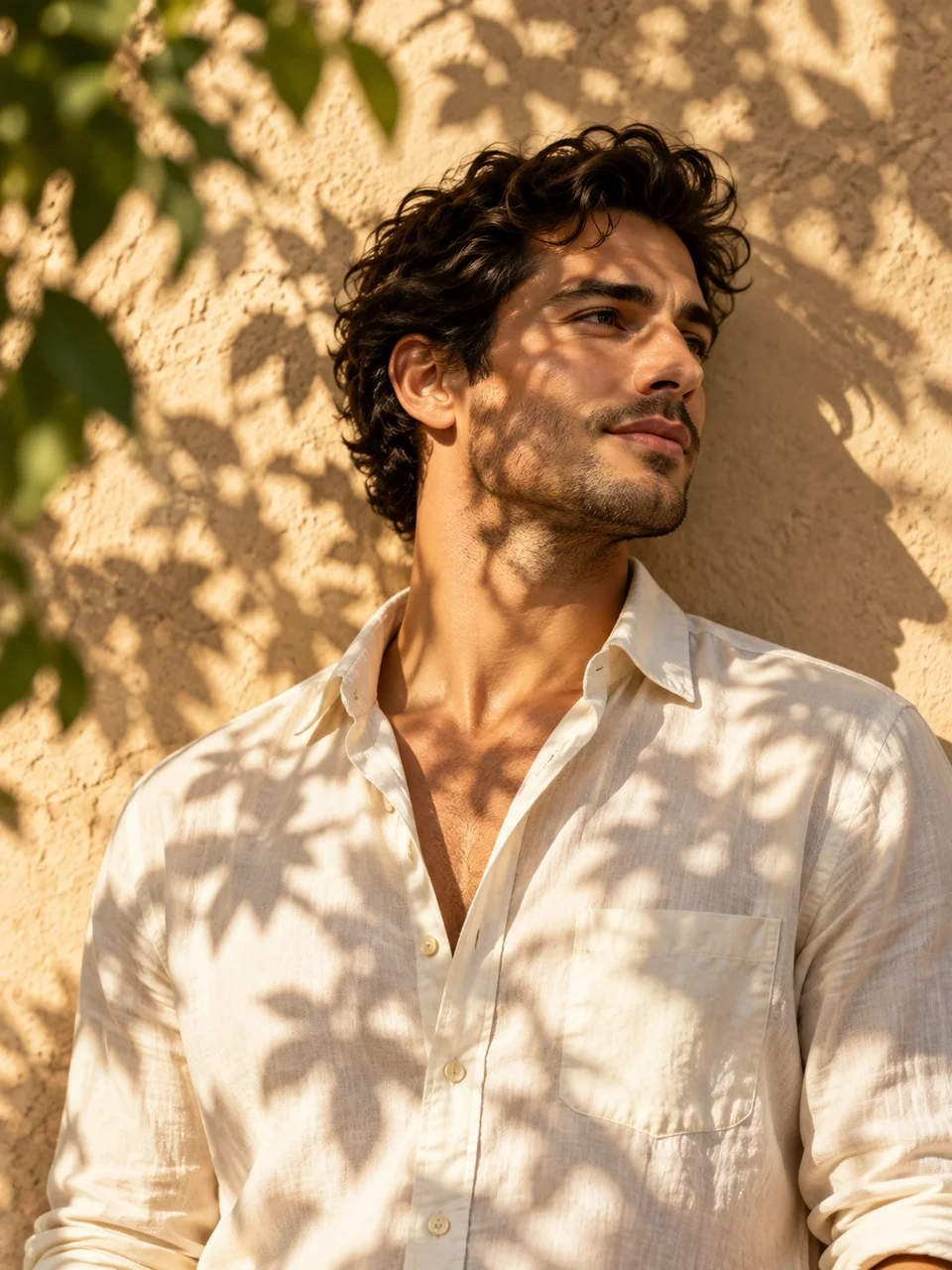
Hard Fresnel concentrates attention with a controlled pool of light and defined subject shadows. Leaf Gobo introduces a leaf-shaped shadow pattern across the scene. Choose Hard Fresnel when the object’s own outline should provide the strongest graphic element.
Can this lighting work for a face?
Yes, especially for a deliberate, sculptural portrait. Describe the head angle and keep the eyes within the illuminated area. A strong side angle can place one eye in deep shadow, while a slightly more frontal light reveals more expression.
Similar styles
 Prism Sunlight
 Negative Fill
 Leaf Gobo
 Screen Door Light
Bring it to life
Effects that turn a still in this look into a short video.
 Slider Parallax
 Glam Sweep