


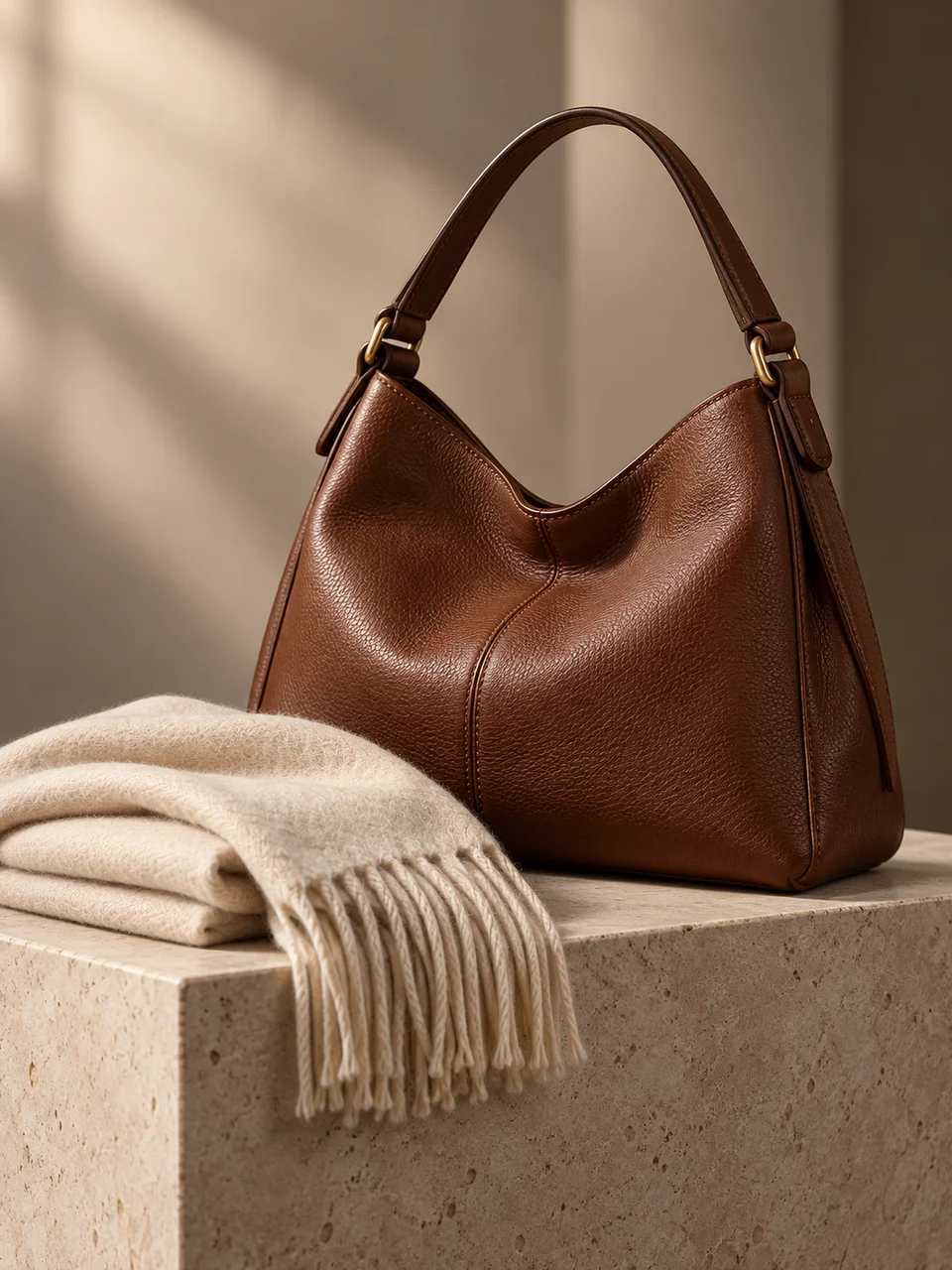
Soft Lighting AI Photo Generator: Book Light
Exceptionally soft reflected light with precise shape.
- From a description only
- Best shape: 3:4 · 4:5 · 1:1
Works on
- Seedream 5.0 Pro
- Qwen Image 3.0
- Nano Banana 2.1
- Seedream 5.0 Flash
About Book Light
Book Light takes its name from a photographic lighting arrangement in which a source bounces off a surface and then passes through diffusion. That indirect path creates a large, exceptionally soft source. Across a face or curved object, highlights ease into shadows gradually while retaining a sense of direction. The result favors warm grays, subtle texture, and quiet volume. Skin remains textured, and eye reflections stay modest, giving the image a carefully lit studio character.
Rounded forms and fine textures respond well to this treatment. Imagine a person in a gray wool shirt, a pale ceramic bowl, a folded cashmere scarf, or a carved wooden object against a warm gray background. Describe the material and the direction of the illumination, then keep surrounding objects sparse. Book Light works from a written description and is useful when you want to see delicate surface detail without a hard shadow cutting through it.
You might enter “a person in a gray wool shirt, softly lit from the left against a warm gray wall” or “a pale ceramic bowl with a folded linen napkin on a simple table”. Another starting point is “a carved wooden bird with fine grain and soft directional studio light”. A matte material makes the tonal transition especially smooth. Moving from a frontal pose to a three-quarter view gives the gentle shadows more contour to describe.
Tips
- Ask for soft light from one side so the subject retains volume. Equal illumination from every direction can make a rounded form look flat.
- Use warm gray, oatmeal, or muted taupe surroundings to support the restrained palette without competing with small texture changes.
- For portraits, keep the eyes visible and the expression relaxed. Small catchlights provide a useful point of definition within the soft lighting.
- Name fine material detail such as wool fibers, wood grain, or unglazed clay; broad illumination can reveal those textures gently.
- Avoid filling a still life with mirrorlike objects. One satin or matte surface makes the gradual falloff much easier to appreciate.
What the style adds
Your words go where it says “your subject”. Everything else is added for you.
your subject. Use book lighting: a large bounced source passes through diffusion to produce soft wraparound illumination and a broad gradual falloff. Retain directional modeling, small catchlights and natural surface texture. Keep a restrained warm-grey palette without glowing skin, haze or flat shadowless exposure.
Models and price
- Seedream 5.0 Pro36 credits
- Qwen Image 3.030 credits
- Nano Banana 2.148 credits
- Seedream 5.0 Flash29 credits
One 1K image from a description. The button always shows the exact price before you spend anything.
How to use Book Light
- Describe itWrite who or what should be in the picture. A small action and a clear place work best.
- Pick a shapeKeep the suggested ratio and model, or change them in the bar at the bottom.
- Paint itPress “Paint it”. The price is on the button before you spend anything.
Questions about Book Light
Can I use Book Light on my own photo?
Not yet. This style works from a description: write what you want to see and the style adds the look.
How much does one Book Light image cost?
29 credits for one 1K image on Seedream 5.0 Flash. 2K costs more, and the button shows the exact price before you run it.
Does Book Light mean there will be a book in the image?
The name describes a lighting technique. A book is only included if you describe one as part of the scene. You can use the style for a portrait, pottery study, or fabric arrangement with the same soft, indirect illumination.
Will very soft light remove skin texture?
Soft light reduces abrupt shadows, but this look retains natural surface texture. Describe visible pores or fine lines if they matter to the portrait. A reasonably close view gives those details room to register without needing harsh contrast.
When should I choose Book Light over Negative Fill?
Book Light suits a gentle portrait or object study with broad, gradual shadow transitions. Negative Fill creates a deeper shaded side by reducing reflected light. Choose Book Light when delicate texture and a soft sense of volume are your main priorities.
Similar styles
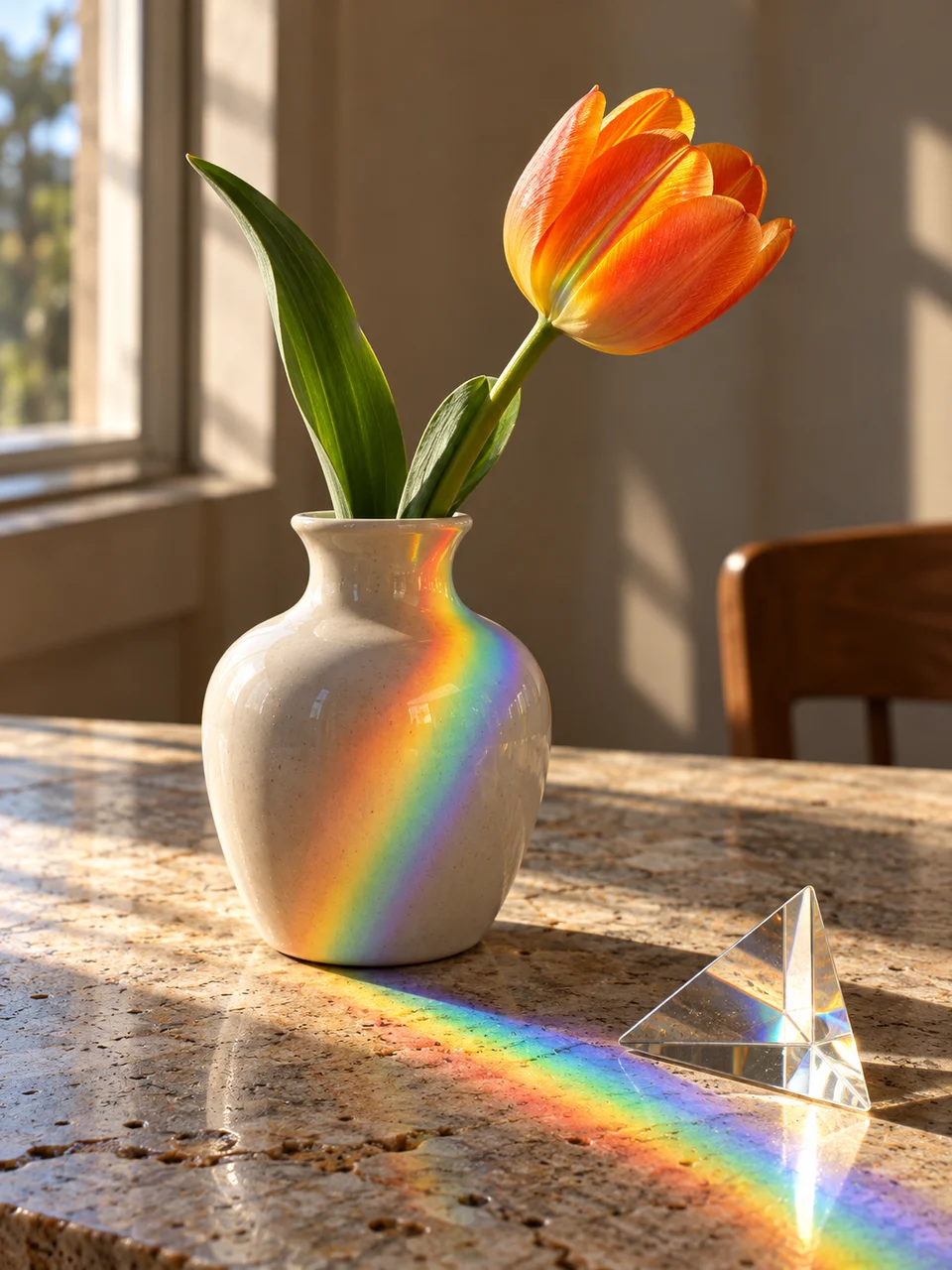 Prism Sunlight
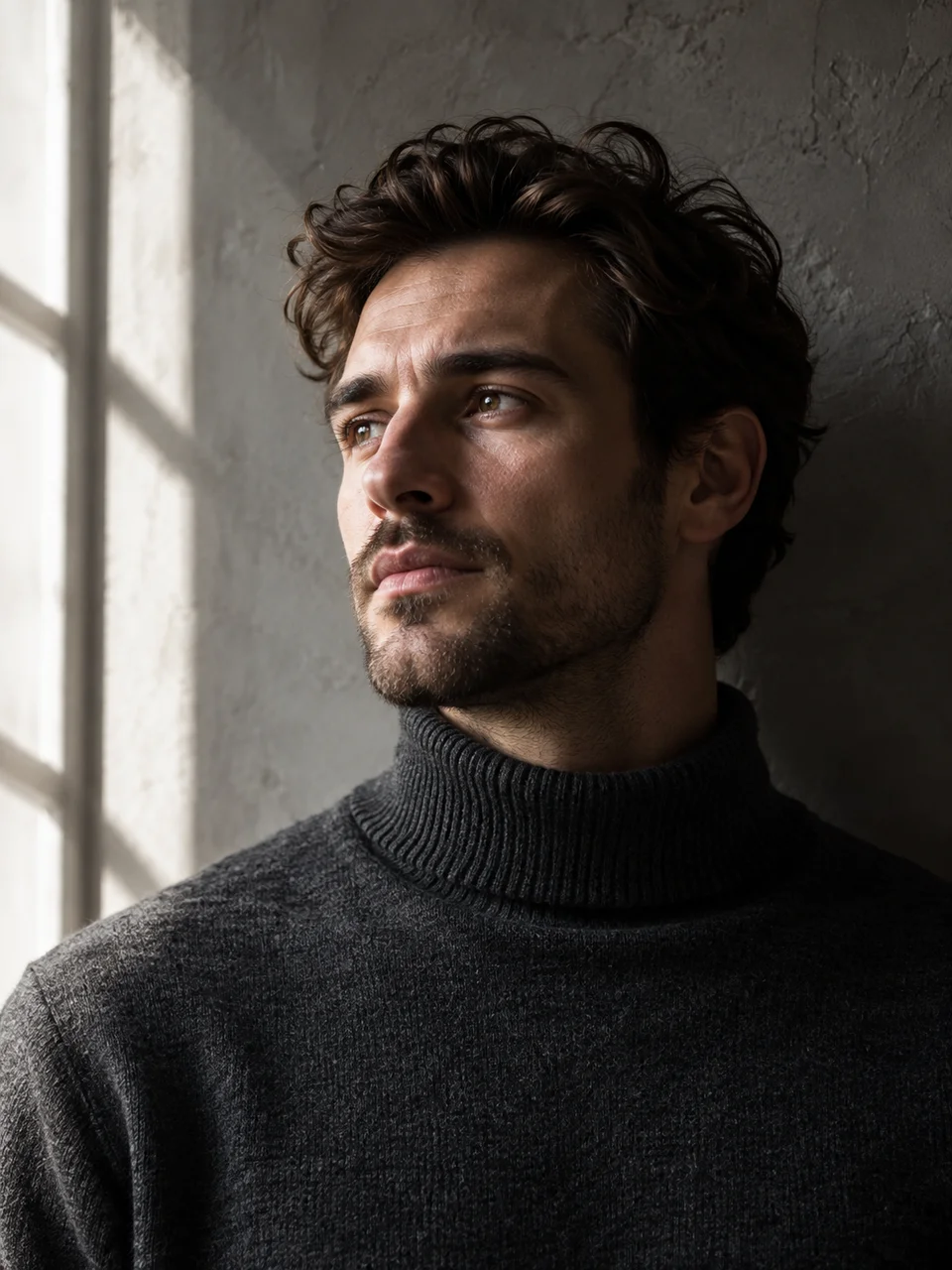 Negative Fill
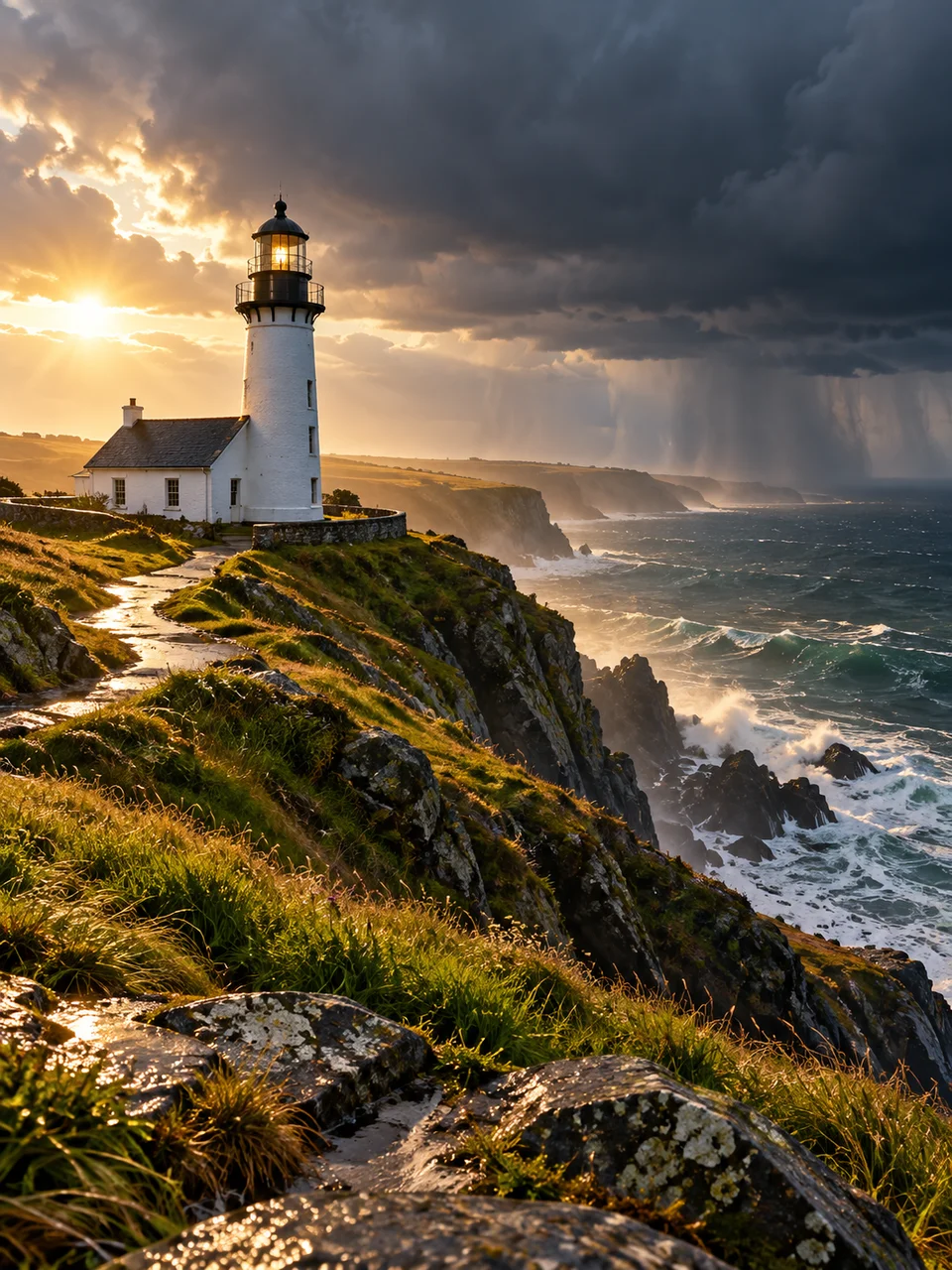 Edge of Storm
 Snow Bounce
Bring it to life
Effects that turn a still in this look into a short video.
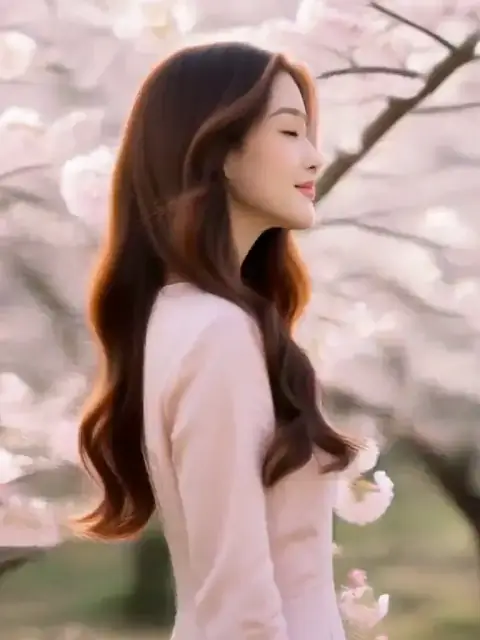 Glam Sweep
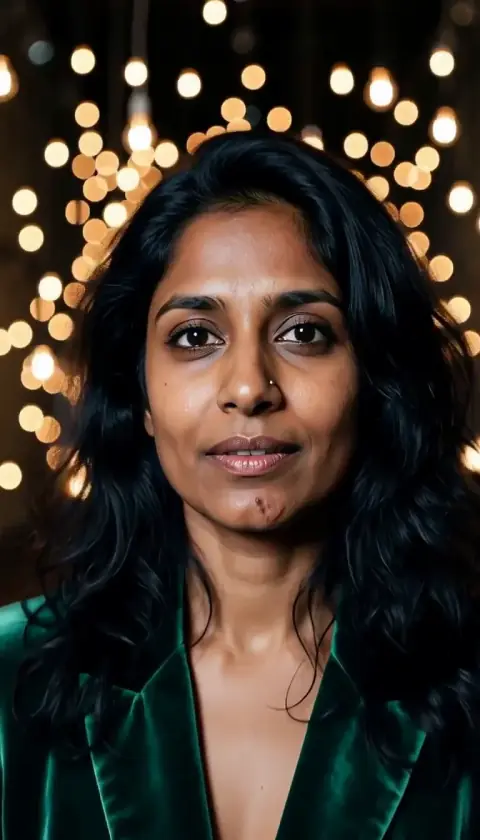 Slow Push-In