

Fabric Shelter AI Image Generator: Membrane Pavilion
Tensioned fabric makes a light, credible architectural enclosure.
- From a description only
- Best shape: 3:4 · 4:5 · 1:1
Works on
- Seedream 5.0 Pro
- Qwen Image 3.0
- Nano Banana 2.1
- Seedream 5.0 Flash
About Membrane Pavilion
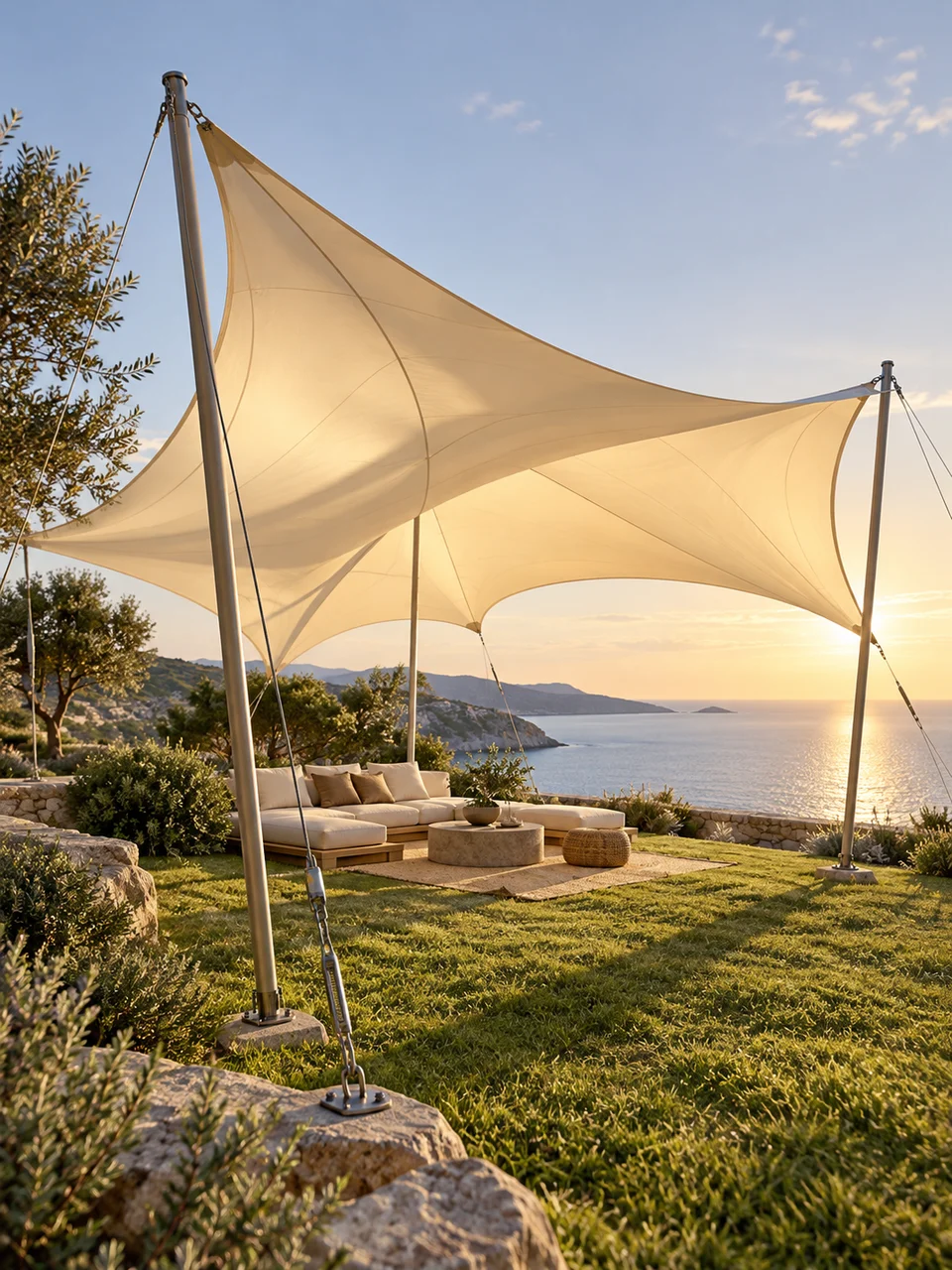
Membrane Pavilion gives fabric an architectural role through tension. Curved surfaces stretch between poles, cables, and ground anchors, with visible connections explaining why the canopy holds its shape. Light passes through the membrane and gathers in broad soft shadows below. The reference is tensile architecture, where fabric geometry depends on its supports and tension. A modest setting makes the structure legible as a usable shelter rather than a sheet suspended without any visible means of support.
Build from a written description of a small covered activity. A shaded garden reading area, a rest stop beside a walking trail, a courtyard gathering space, or a small outdoor exhibition can all suit the canopy. Identify high and low support points and keep entrances clear of cables. A simple ground plane lets anchors and pole bases remain visible, helping the curved roof feel connected to the space it covers.
Try “a small ivory fabric pavilion over garden benches with visible poles and ground anchors” or “a tensioned canopy beside a walking trail with alternating high and low corners.” You could also use “a courtyard shelter with slender cables and soft daylight passing through its roof.” Raising one corner gives the canopy a stronger directional sweep; lowering the perimeter creates a more enclosed patch of shade and brings the fabric closer to seated people.
Tips
- Describe both high and low corners so the membrane has a purposeful tensioned curve.
- Show cable anchors on the ground where they do not interrupt the main entrance.
- Use translucent ivory fabric if you want soft transmitted light beneath the canopy.
- Keep benches or visitors small enough that the roof’s span and support points remain visible.
- Choose an exterior angle that shows at least one pole base and a cable connection.
What the style adds
Your words go where it says “your subject”. Everything else is added for you.
your subject. Design a small tensioned-fabric pavilion with visible anchoring, cable tension and plausible membrane curvature. Let soft light pass through the fabric and cast broad shadows. Keep structural poles and ground connections precise, without balloon-like toy proportions or arbitrary floating sheets.
Models and price
- Seedream 5.0 Pro36 credits
- Qwen Image 3.030 credits
- Nano Banana 2.148 credits
- Seedream 5.0 Flash29 credits
One 1K image from a description. The button always shows the exact price before you spend anything.
How to use Membrane Pavilion
- Describe itWrite who or what should be in the picture. A small action and a clear place work best.
- Pick a shapeKeep the suggested ratio and model, or change them in the bar at the bottom.
- Paint itPress “Paint it”. The price is on the button before you spend anything.
Questions about Membrane Pavilion
Can I use Membrane Pavilion on my own photo?
Not yet. This style works from a description: write what you want to see and the style adds the look.
How much does one Membrane Pavilion image cost?
29 credits for one 1K image on Seedream 5.0 Flash. 2K costs more, and the button shows the exact price before you run it.
Why do the poles and cables matter?
They make the fabric shape understandable. A membrane depends on tension and attachment, so visible supports help distinguish an architectural shelter from loose fabric. Describe where corners are held and where the canopy meets the ground.
How is it different from Translucent Pavilion?
Translucent Pavilion uses framed wall panels and defined joints to enclose space. Membrane Pavilion is shaped by stretched fabric, poles, and cables, with the roof’s tension and soft transmitted light doing most of the visual work.
Can the generated shelter be used as a construction design?
It can illustrate an idea for canopy shape and atmosphere. Actual membrane patterning, anchoring, loading, and material selection require structural development. Keep the image as a concept reference for the kind of space you want.
Similar styles
 Rammed Earth Retreat
 Timber Joinery
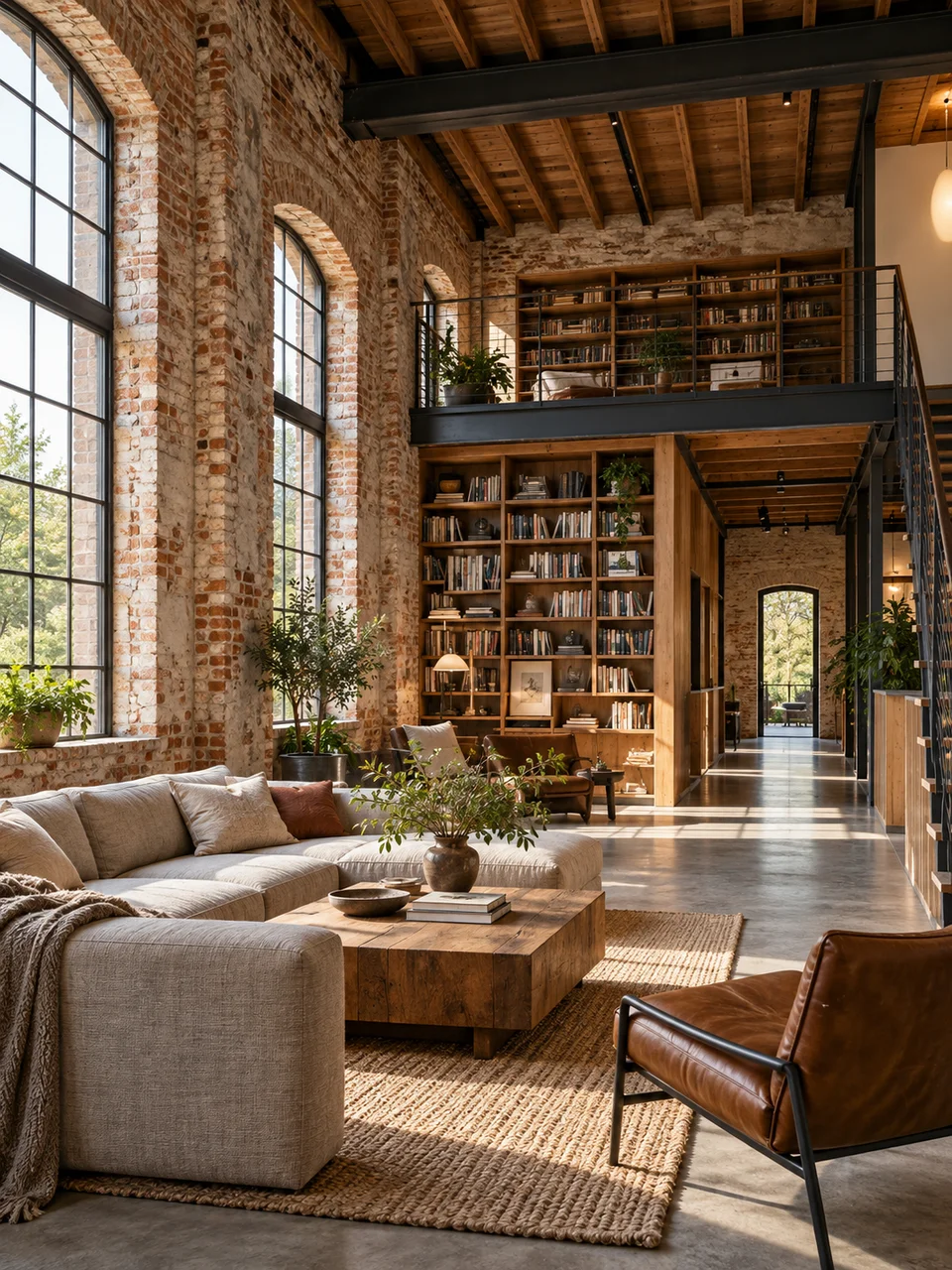 Adaptive Reuse Loft
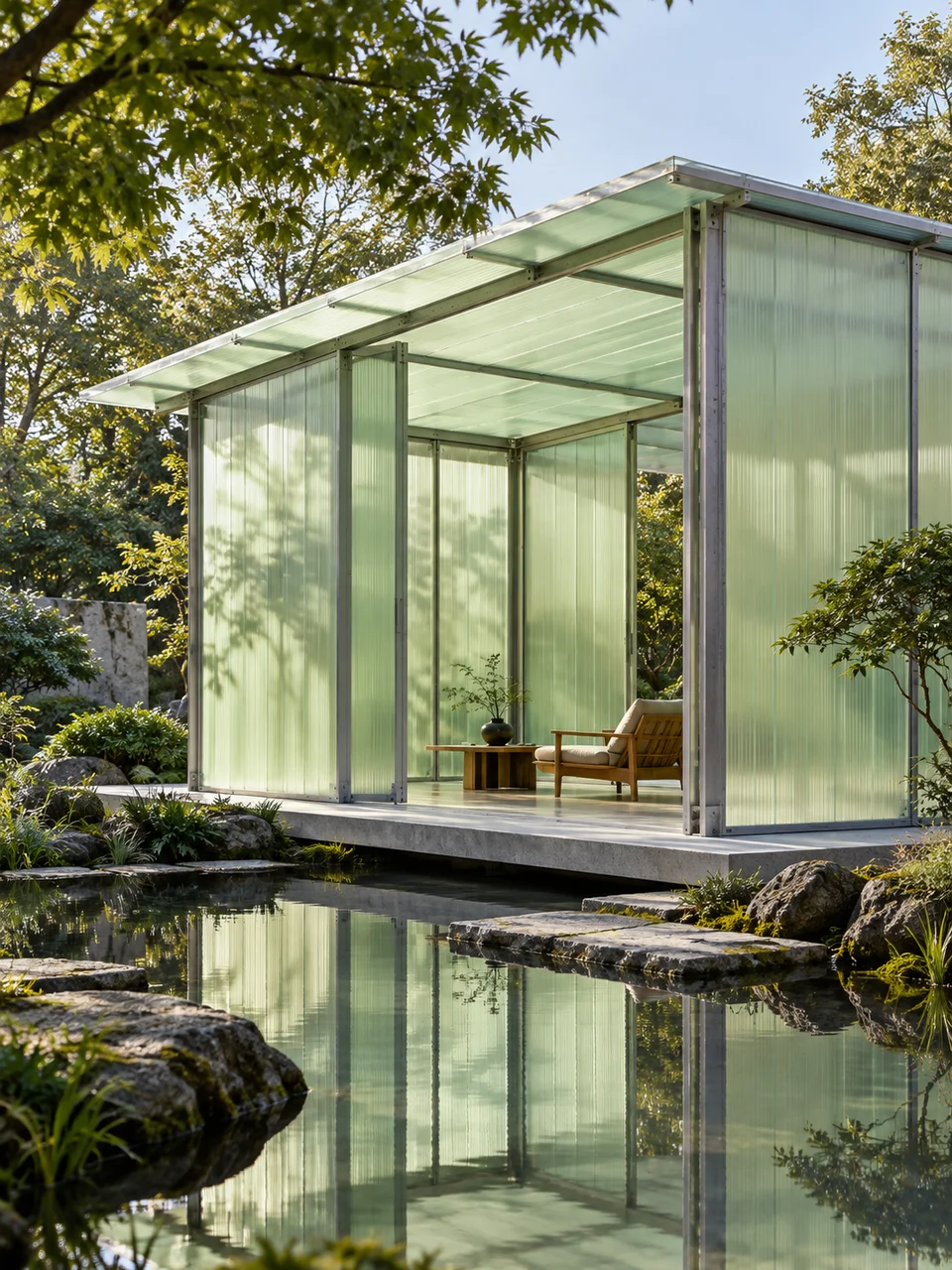 Translucent Pavilion
Bring it to life
Effects that turn a still in this look into a short video.
 Drone Rise
 Slider Parallax