

Soft Pastel AI Art Generator: Pastel Velour
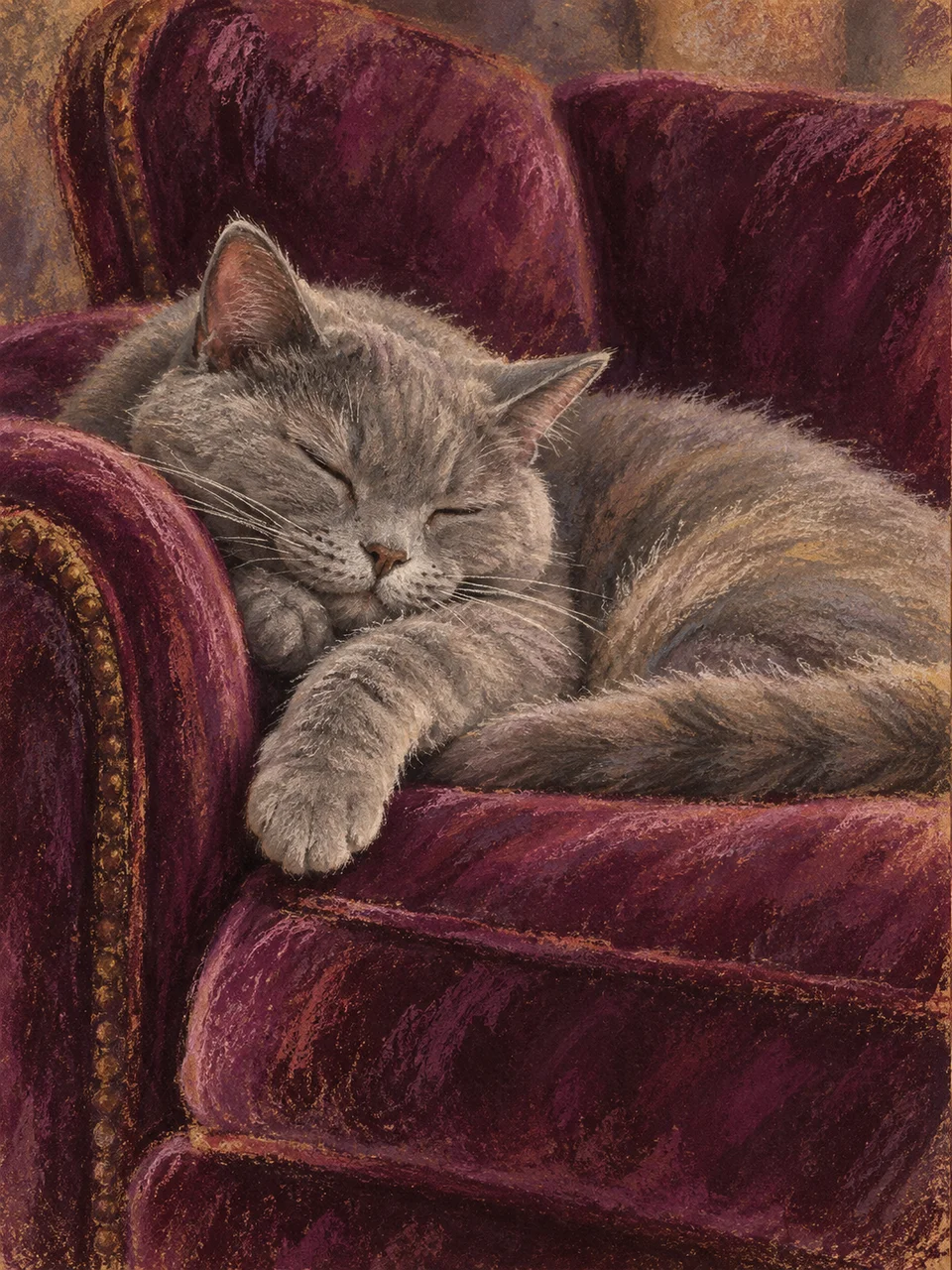
Powdery pigment settles into a soft, dense surface.
- From a description only
- Best shape: 3:4 · 4:5 · 1:1
Works on
- Seedream 5.0 Pro
- Qwen Image 3.0
- Nano Banana 2.1
- Seedream 5.0 Flash
About Pastel Velour
Pastel Velour has a soft surface without losing the presence of pigment. Velour paper's short fibers hold pastel particles, supporting dense color and gentle transitions between broad planes. This look keeps that powdery layering visible in muted plum, ochre and cool gray. A few firmer accents bring the subject forward, while quieter edges merge into surrounding color. The result feels drawn with dry pigment rather than blended into an airbrushed surface.
A sleeping rabbit, a person in a wool scarf and a bowl of dusky plums all suit the tactile softness. A low hillside under cloud can become a broader study of color masses. Describe the main planes and the small details that should stay sharp, such as an eye or stem. You start from a written description, and the scene becomes a layered pastel image with soft, supported edges.
Enter “a sleeping rabbit on a muted plum blanket” or “a person in an ochre wool scarf against cool gray.” Another option is “a bowl of dark plums beside a folded cloth.” A larger subject lets the pigment's layered planes become more apparent; smaller framing makes the few sharp accents more important. Keeping the background close in tone to the subject creates softer transitions around its outline and quieter spatial separation.
Tips
- Use broad color masses for fur or fabric before describing the few details that need crisp accents.
- Keep plum, ochre and gray in balance so no single saturated patch overwhelms the powdery surface.
- Reserve sharp marks for eyes, stems or a garment seam instead of outlining the whole subject.
- Describe gentle light when you want soft transitions to carry the form without deep black shadows.
- Leave visible pigment layering in the midtones to keep the surface tactile rather than digitally smooth.
What the style adds
Your words go where it says “your subject”. Everything else is added for you.
your subject. Use soft pastel on velour paper with dense powdery pigment, broad blended planes and a few decisive sharp accents. Keep tactile color layering and quiet edge transitions. Use muted plum, ochre and cool grey, avoiding airbrushed skin, oil-paint shine or generic watercolor texture.
Models and price
- Seedream 5.0 Pro36 credits
- Qwen Image 3.030 credits
- Nano Banana 2.148 credits
- Seedream 5.0 Flash29 credits
One 1K image from a description. The button always shows the exact price before you spend anything.
How to use Pastel Velour
- Describe itWrite who or what should be in the picture. A small action and a clear place work best.
- Pick a shapeKeep the suggested ratio and model, or change them in the bar at the bottom.
- Paint itPress “Paint it”. The price is on the button before you spend anything.
Questions about Pastel Velour
Can I use Pastel Velour on my own photo?
Not yet. This style works from a description: write what you want to see and the style adds the look.
How much does one Pastel Velour image cost?
29 credits for one 1K image on Seedream 5.0 Flash. 2K costs more, and the button shows the exact price before you run it.
Will a face become too blurry?
The style softens broad transitions but can retain carefully placed eyes, mouth and hair accents. Describe the expression and key features clearly, keeping the portrait large enough for those sharper marks to matter.
How is Pastel Velour different from Watercolor?
Pastel Velour uses dense dry pigment held by a fibrous surface. Watercolor relies on liquid washes and transparent paper light, so its edges, pooling and color layering have a wetter, more fluid character.
Does this look work for landscapes?
Yes. Low hills, cloud banks and simple tree masses suit its broad planes. Use a few distinct distances and keep small branches or buildings secondary so the layered pastel color remains the focus.
Similar styles
 Mezzotint Velvet
 Watercolor
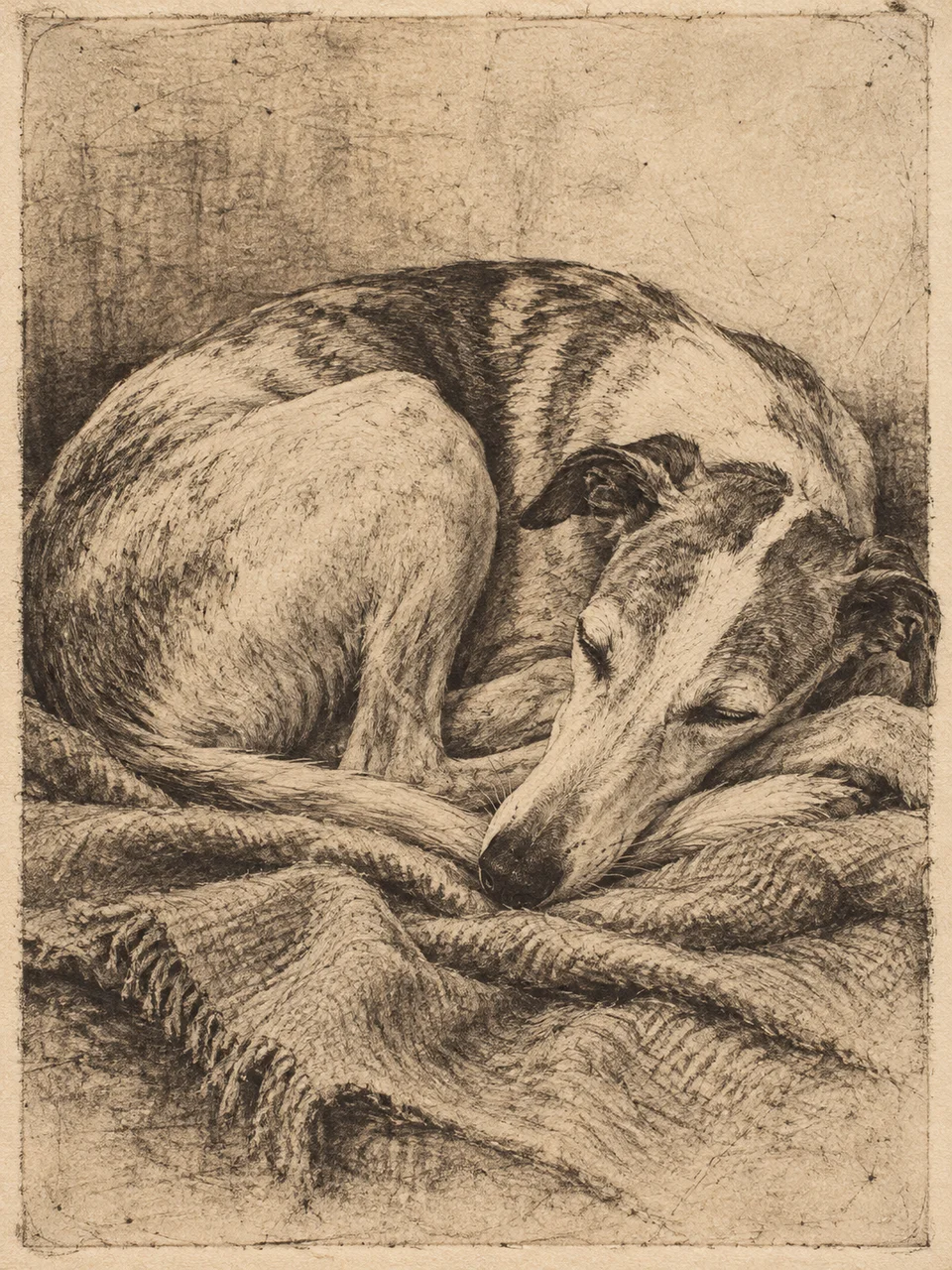 Drypoint Burr
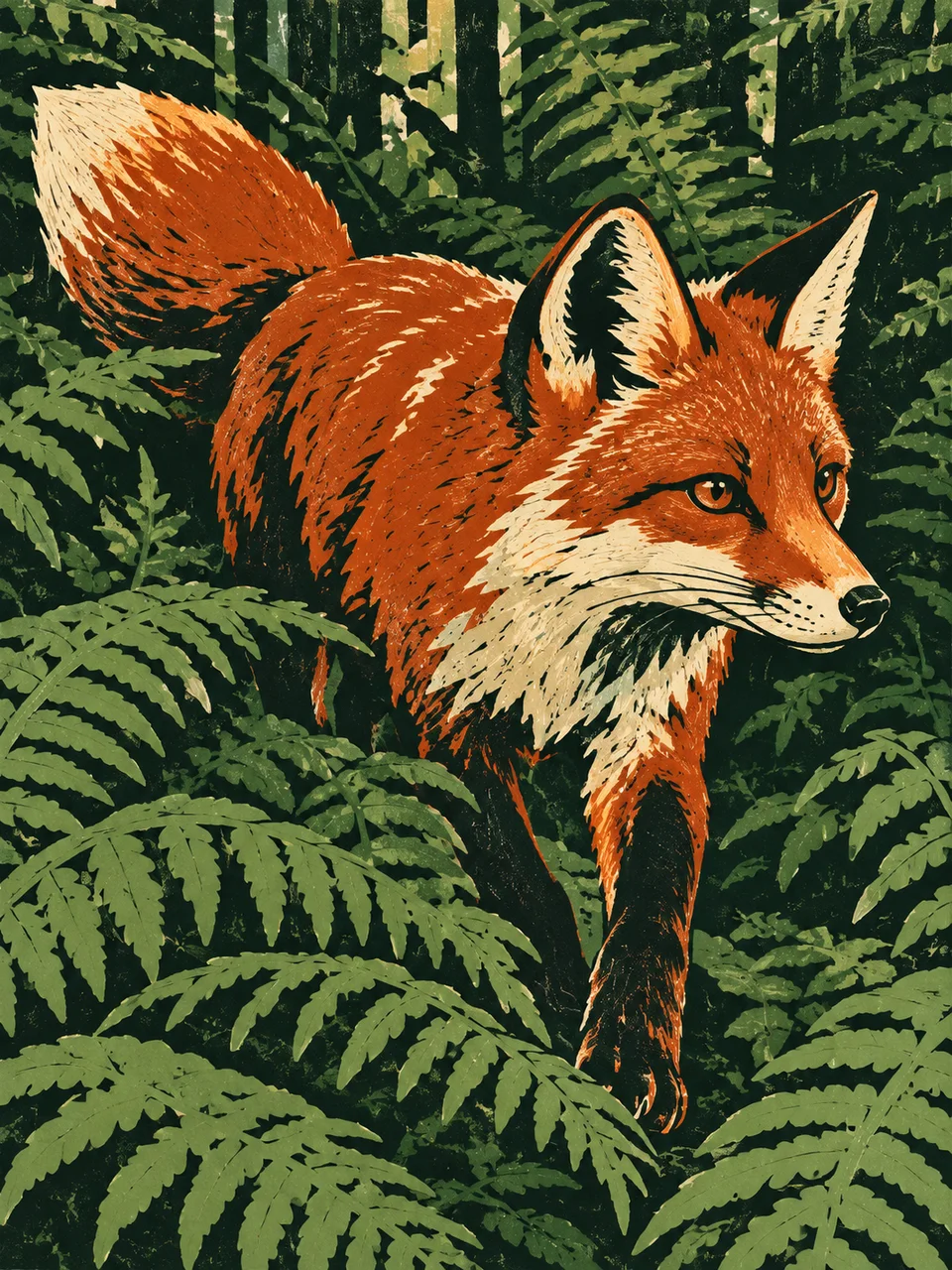 Reduction Linocut
Bring it to life
Effects that turn a still in this look into a short video.
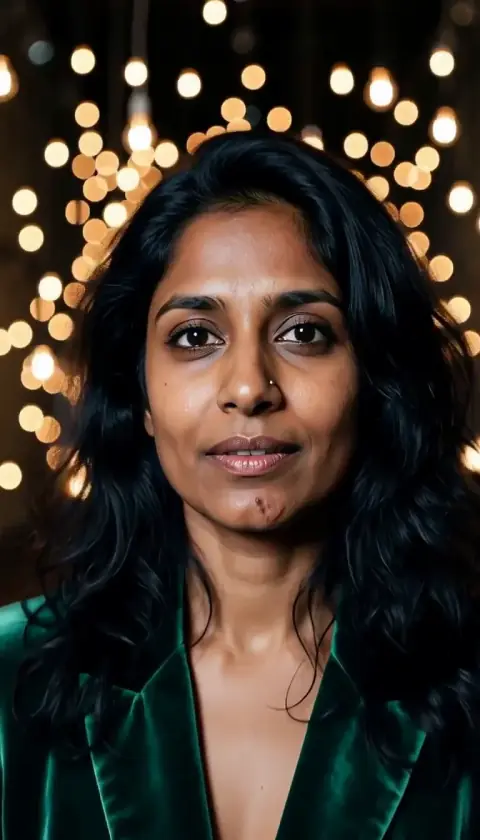 Slow Push-In
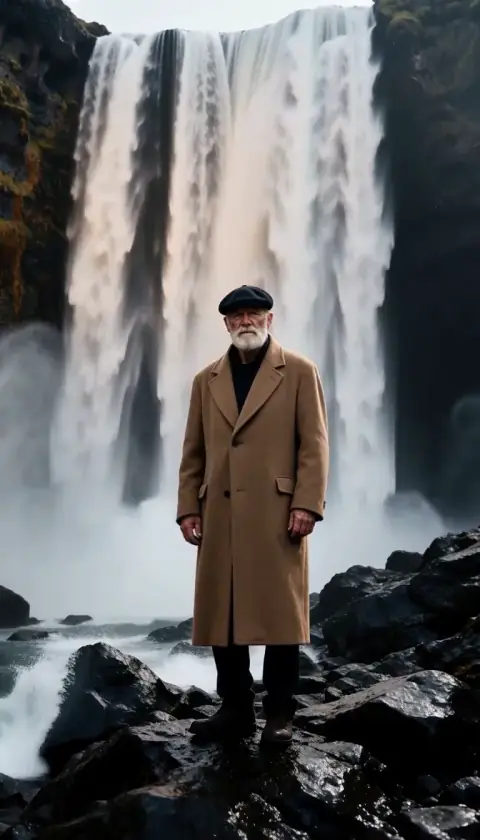 Cinemagraph