

Draped Fabric AI Photo Generator: Fluid Draping
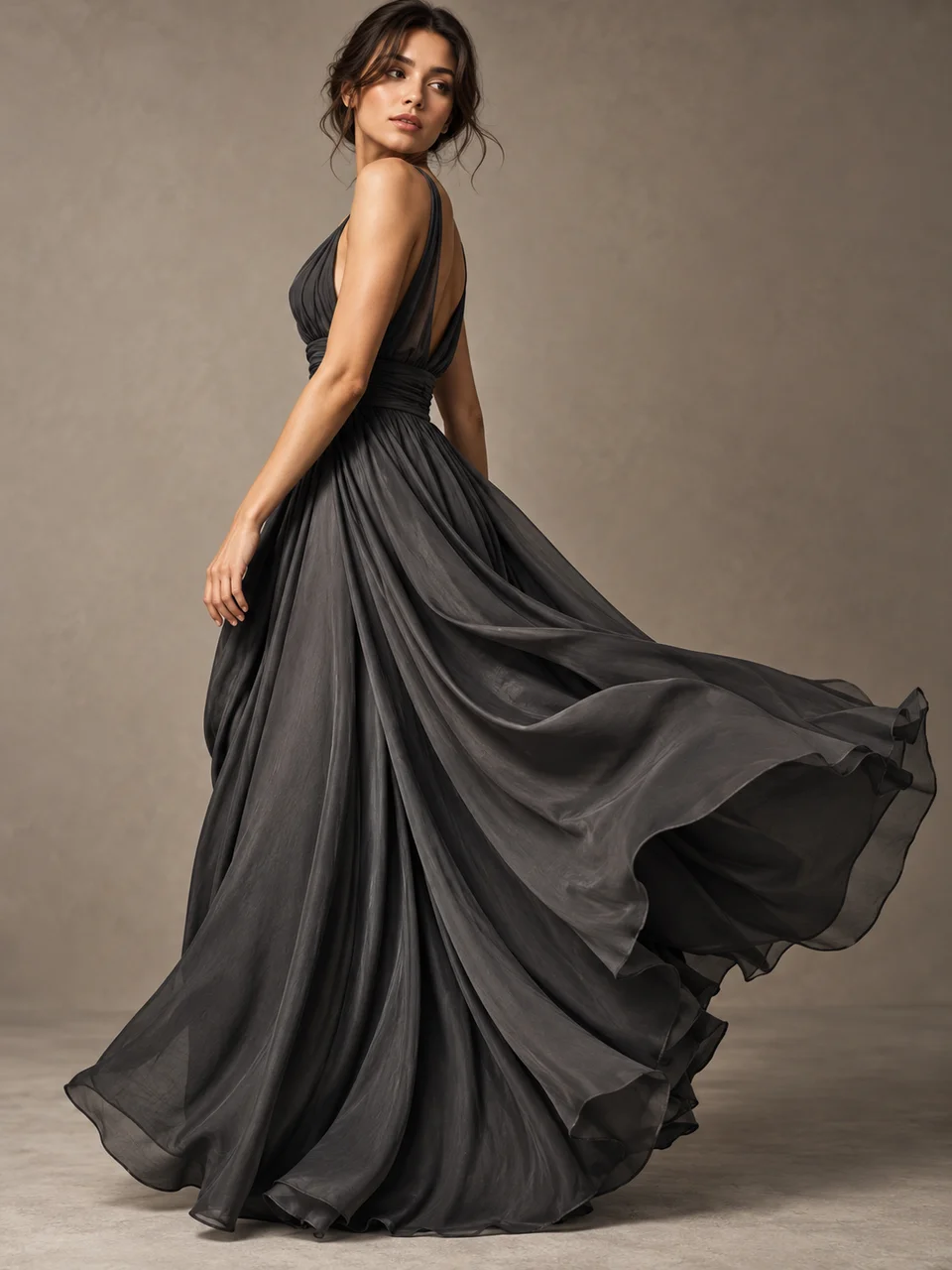
Heavy cloth follows one continuous sculptural gesture.
- From a description only
- Best shape: 3:4 · 4:5 · 1:1
Works on
- Seedream 5.0 Pro
- Qwen Image 3.0
- Nano Banana 2.1
- Seedream 5.0 Flash
About Fluid Draping
Fluid Draping takes its visual interest from cloth arranged around a body, a foundation of garment-making and fashion study. Folds begin at believable support points and fall with weight, while tension changes where a hand, shoulder, or waist holds the material. Soft lateral light reveals the fold ridges without hard glare. A mineral-toned studio keeps the setting quiet. One paused movement is enough to make the fabric feel alive while the wearer remains grounded.
A person stepping in a wrapped wool skirt, a wearer holding a silk panel at one hip, a draped jersey dress during a small turn, or a long coat falling from the shoulders can all work. Describe how the cloth is supported and where its free edge hangs. You build the image with a written description. A full silhouette is especially helpful when the relationship between the feet, hem, and hanging fabric explains the gesture.
Begin with “a person making a small turn in a heavy gray jersey dress, its folds gathered at one hip” or “a wearer holding the edge of a silk wrap beside a stone-colored wall”. You could also try “a long wool coat settling around a still figure”. Heavier cloth creates broad hanging folds; lighter silk produces finer ripples. Keeping one foot visibly planted makes either material feel supported rather than suspended around the body.
Tips
- Name the fabric weight so folds do not behave like weightless ribbons.
- Describe the hand or seam that gathers the cloth at its main tension point.
- Show the hem and at least one grounded foot when the drape fills the frame.
- Use a small turn instead of a leap to keep folds and anatomy readable.
- Select side lighting that grazes the fold ridges against a quiet mineral-colored background.
What the style adds
Your words go where it says “your subject”. Everything else is added for you.
your subject. Build a fashion image around fluid fabric draping with believable weight, tension points and folded edges. Freeze one graceful movement while keeping face and hands anatomically natural. Use a mineral-toned studio, soft lateral light and a clear full silhouette without floating unsupported cloth.
Models and price
- Seedream 5.0 Pro36 credits
- Qwen Image 3.030 credits
- Nano Banana 2.148 credits
- Seedream 5.0 Flash29 credits
One 1K image from a description. The button always shows the exact price before you spend anything.
How to use Fluid Draping
- Describe itWrite who or what should be in the picture. A small action and a clear place work best.
- Pick a shapeKeep the suggested ratio and model, or change them in the bar at the bottom.
- Paint itPress “Paint it”. The price is on the button before you spend anything.
Questions about Fluid Draping
Can I use Fluid Draping on my own photo?
Not yet. This style works from a description: write what you want to see and the style adds the look.
How much does one Fluid Draping image cost?
29 credits for one 1K image on Seedream 5.0 Flash. 2K costs more, and the button shows the exact price before you run it.
Why does the cloth need a support point?
Draping becomes convincing when a shoulder, waistband, hand, or seam explains where the material is held. Without that anchor, folds may read as floating decoration instead of a garment with believable weight.
How does it differ from Sculptural Tailoring?
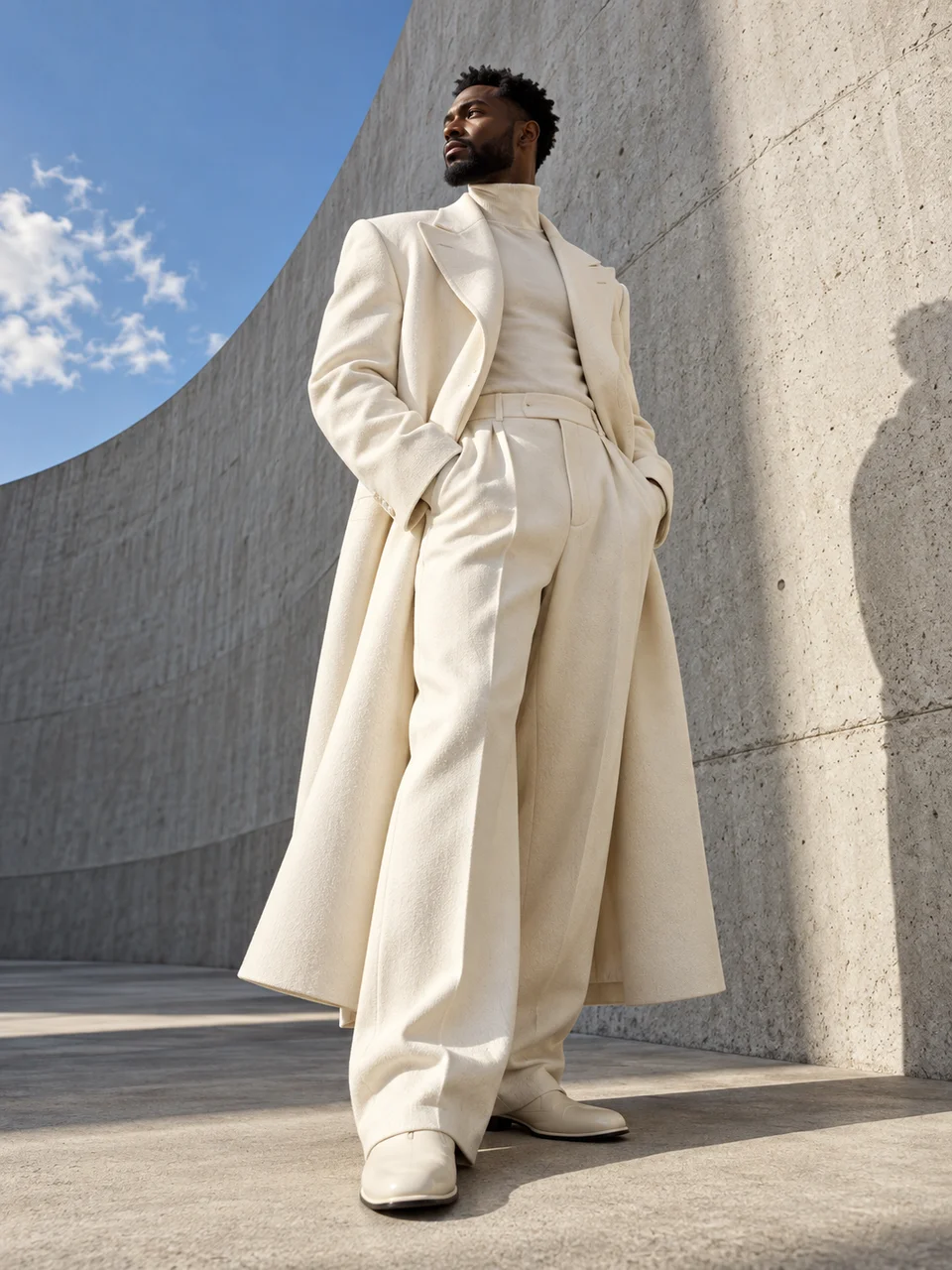
Fluid Draping emphasizes gravity, hanging folds, and the response of cloth to a gesture. Sculptural Tailoring emphasizes cut and structure, with shoulders and seams holding a more defined shape even when the wearer stands still.
Can I use stiff fabric?
You can, but it will create wider, firmer folds and less flowing movement. For the most characteristic result, choose weighted jersey, soft wool, or silk and describe a single controlled gesture that reveals how the material hangs.
Similar styles
 Sculptural Tailoring
 Technical Outerwear
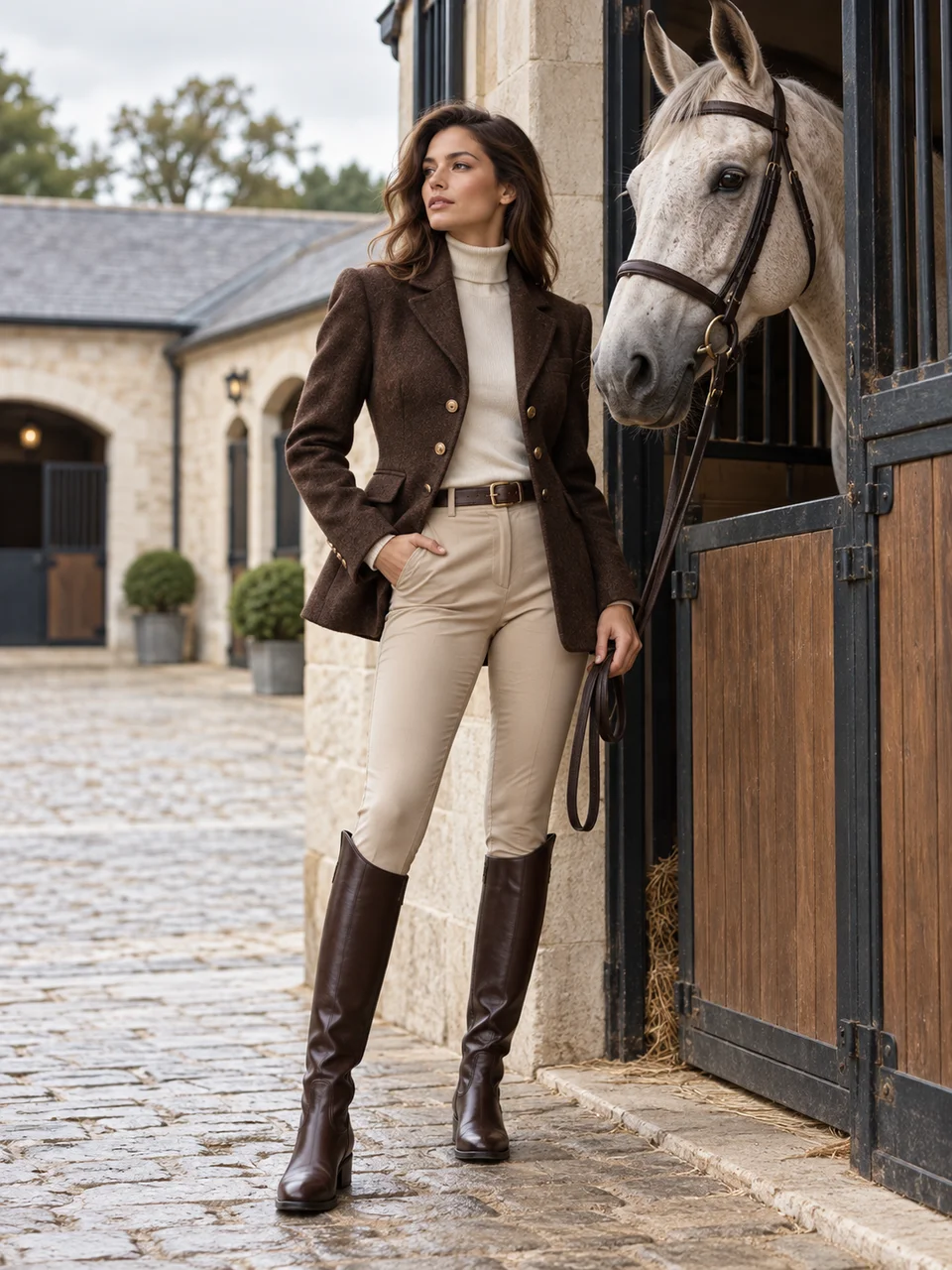 Modern Equestrian
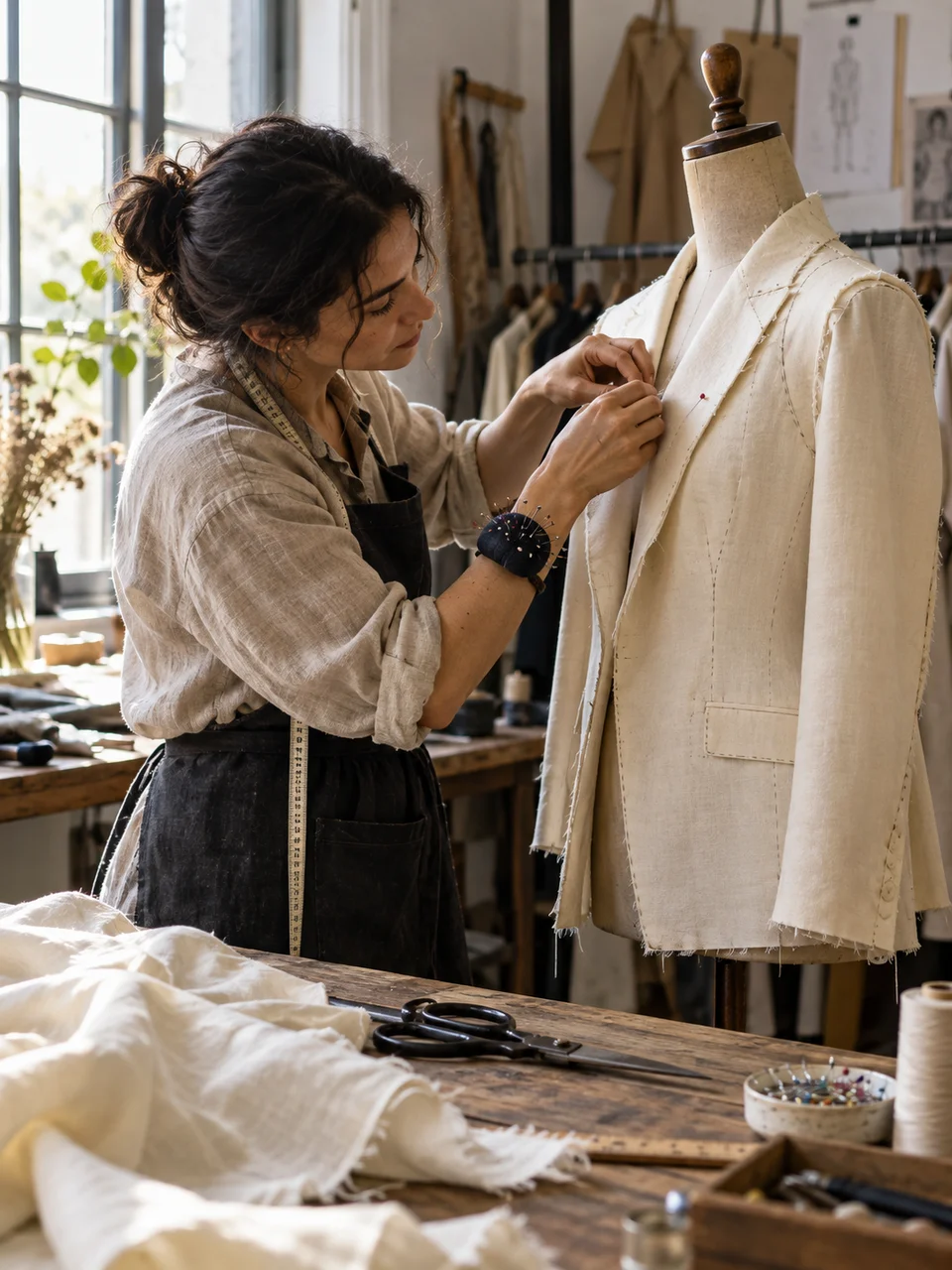 Atelier Documentary
Bring it to life
Effects that turn a still in this look into a short video.
 Twirl
 Speed Ramp