

Dressmaking AI Photo Generator: Atelier Documentary
The making process becomes the fashion image.
- From a description only
- Best shape: 3:4 · 4:5 · 1:1
Works on
- Seedream 5.0 Pro
- Qwen Image 3.0
- Nano Banana 2.1
- Seedream 5.0 Flash
About Atelier Documentary
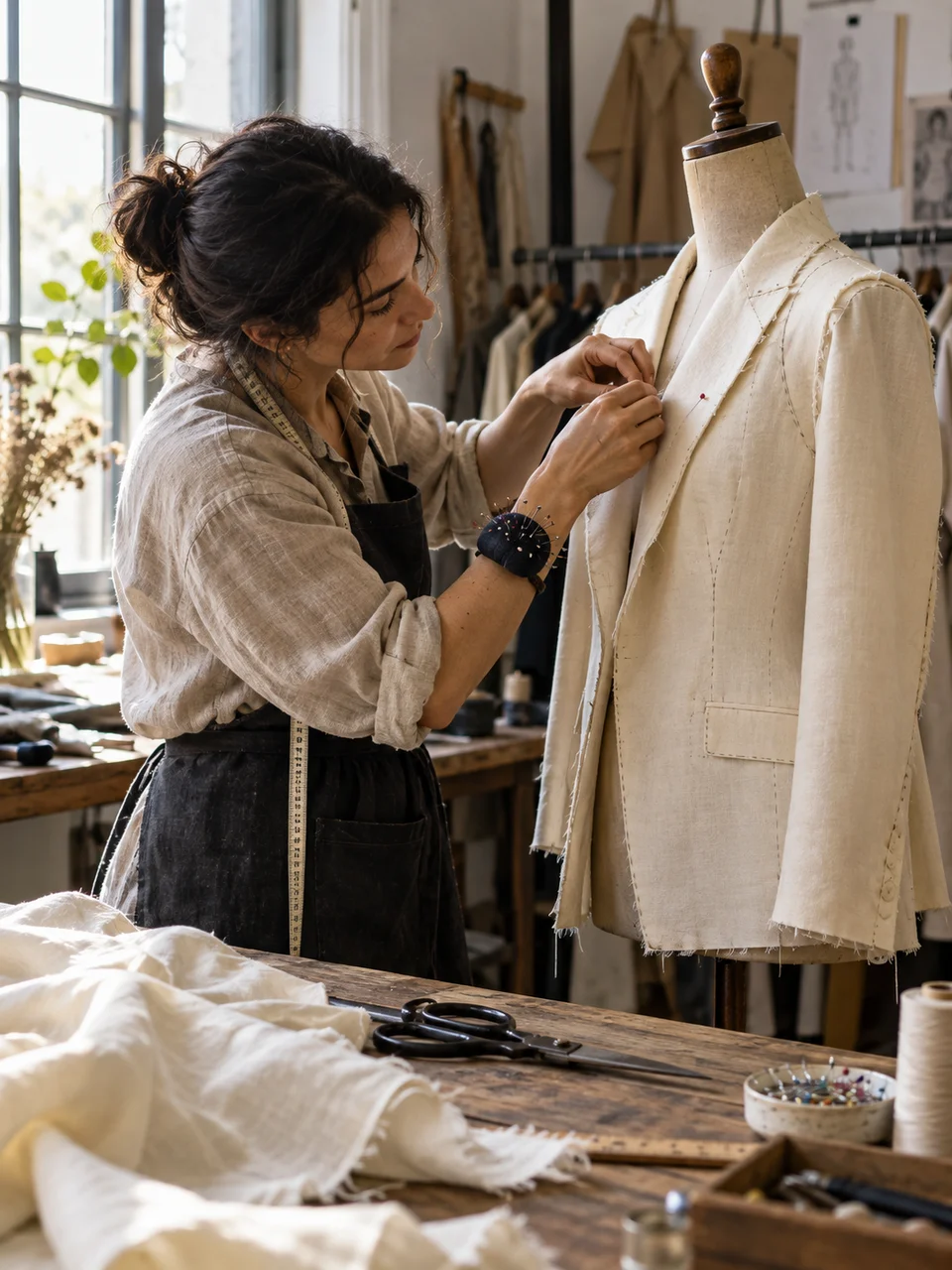
Atelier Documentary looks at fashion through the room where clothing is made. Available window light catches unfinished seams, loose thread, scissors, and the hands doing the work. The composition feels observed, with fabric carrying both texture and evidence of a task. Natural skin and an absorbed expression keep the maker present. Its reference is workshop and process photography, where the relationship between tool, material, and gesture explains more than a perfectly finished display.
A tailor pressing a sleeve, a maker pinning a wool bodice, someone cutting linen at a long table, or a wearer checking a partly finished hem gives the image a useful action. Describe the task in a written description, then name the fabric and the tool touching it. Keep the work surface believable and moderately clear. A few unfinished edges can explain the process better than a room packed with unrelated sewing supplies.
Try “a maker pinning a gray wool bodice beside a tall workshop window” or “a tailor pressing one jacket sleeve on a narrow ironing board”. For a broader view, use “a person cutting cream linen on a long wooden table”. A close crop makes working fingers and seam allowances central; a wider crop explains the atelier’s layout. Morning window light gives pale fabric delicate detail, while darker cloth benefits from a clearly lit edge or fold.
Tips
- Choose one garment-making step so hands, tools, and fabric all have a shared purpose.
- State which tool contacts the cloth, such as shears cutting linen or an iron pressing wool.
- Leave unfinished seams visible where they explain what is being made.
- Place the worktable near a window to illuminate fingers without a showroom effect.
- Use a three-quarter camera view when both the maker’s concentration and tabletop action matter.
What the style adds
Your words go where it says “your subject”. Everything else is added for you.
your subject. Photograph a garment-making atelier with the maker or wearer absorbed in a real task. Include useful tools, unfinished seams and tactile cloth, using available window light and candid framing. Preserve working hands and natural skin; avoid a staged luxury showroom or brand labels.
Models and price
- Seedream 5.0 Pro36 credits
- Qwen Image 3.030 credits
- Nano Banana 2.148 credits
- Seedream 5.0 Flash29 credits
One 1K image from a description. The button always shows the exact price before you spend anything.
How to use Atelier Documentary
- Describe itWrite who or what should be in the picture. A small action and a clear place work best.
- Pick a shapeKeep the suggested ratio and model, or change them in the bar at the bottom.
- Paint itPress “Paint it”. The price is on the button before you spend anything.
Questions about Atelier Documentary
Can I use Atelier Documentary on my own photo?
Not yet. This style works from a description: write what you want to see and the style adds the look.
How much does one Atelier Documentary image cost?
29 credits for one 1K image on Seedream 5.0 Flash. 2K costs more, and the button shows the exact price before you run it.
Can it show a finished garment?
Yes, especially during a final fitting or inspection. Include an active task, such as checking the hem or adjusting a sleeve, so the image remains about making clothing rather than becoming a conventional showroom portrait.
How does it differ from Sculptural Tailoring?
Sculptural Tailoring presents the finished garment’s outline and architectural presence. Atelier Documentary shows the work behind that outline, with tools, unfinished construction, window light, and a maker or wearer engaged in a specific practical task.
Will the sewing details be technically exact?
They can suggest a convincing process, but small tools, stitches, and finger positions deserve close inspection. Name a simple task and use the image as a visual interpretation rather than a substitute for a garment-construction diagram.
Similar styles
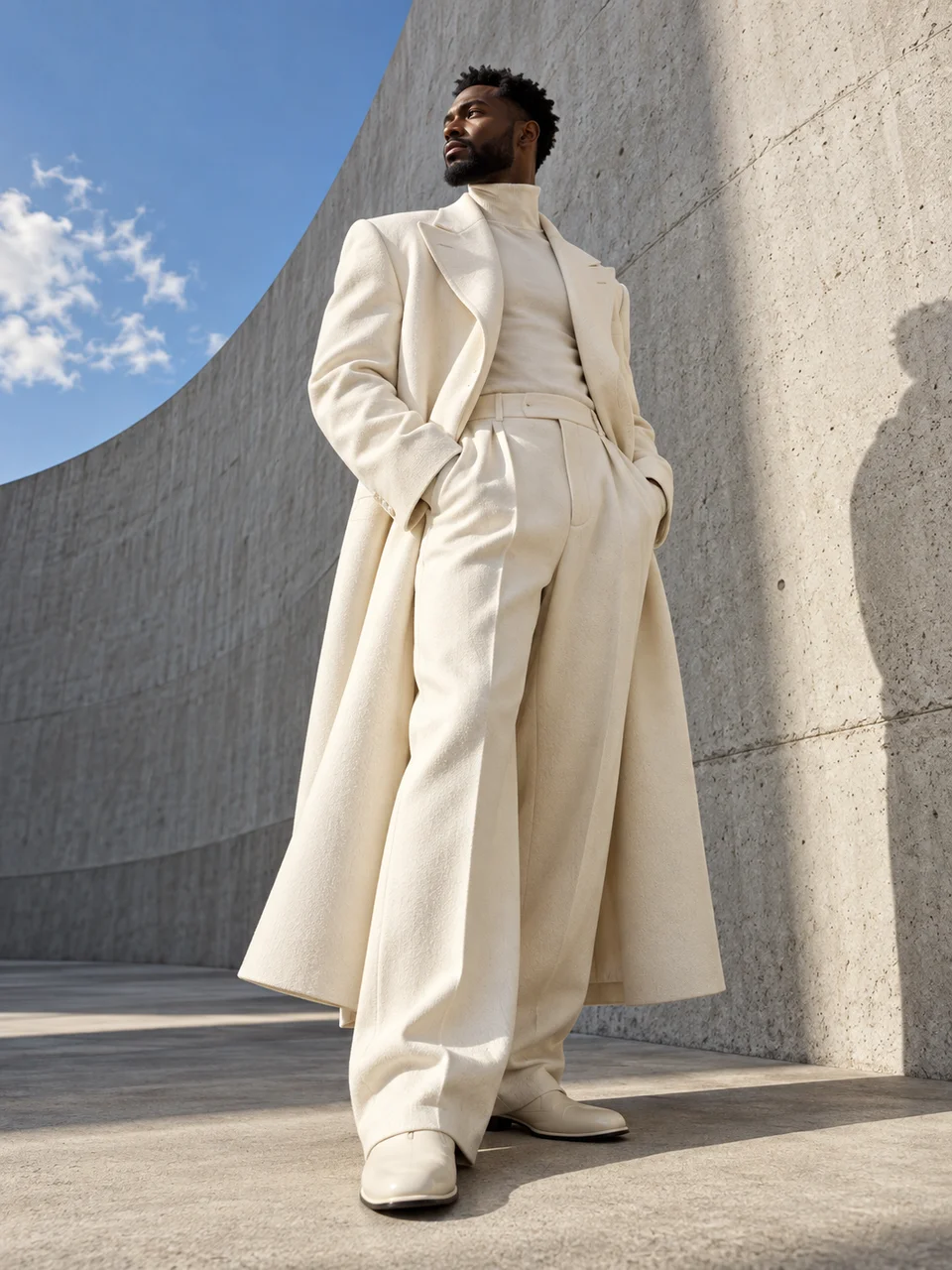 Sculptural TailoringPrecise silhouettes meet minimal architectural staging.
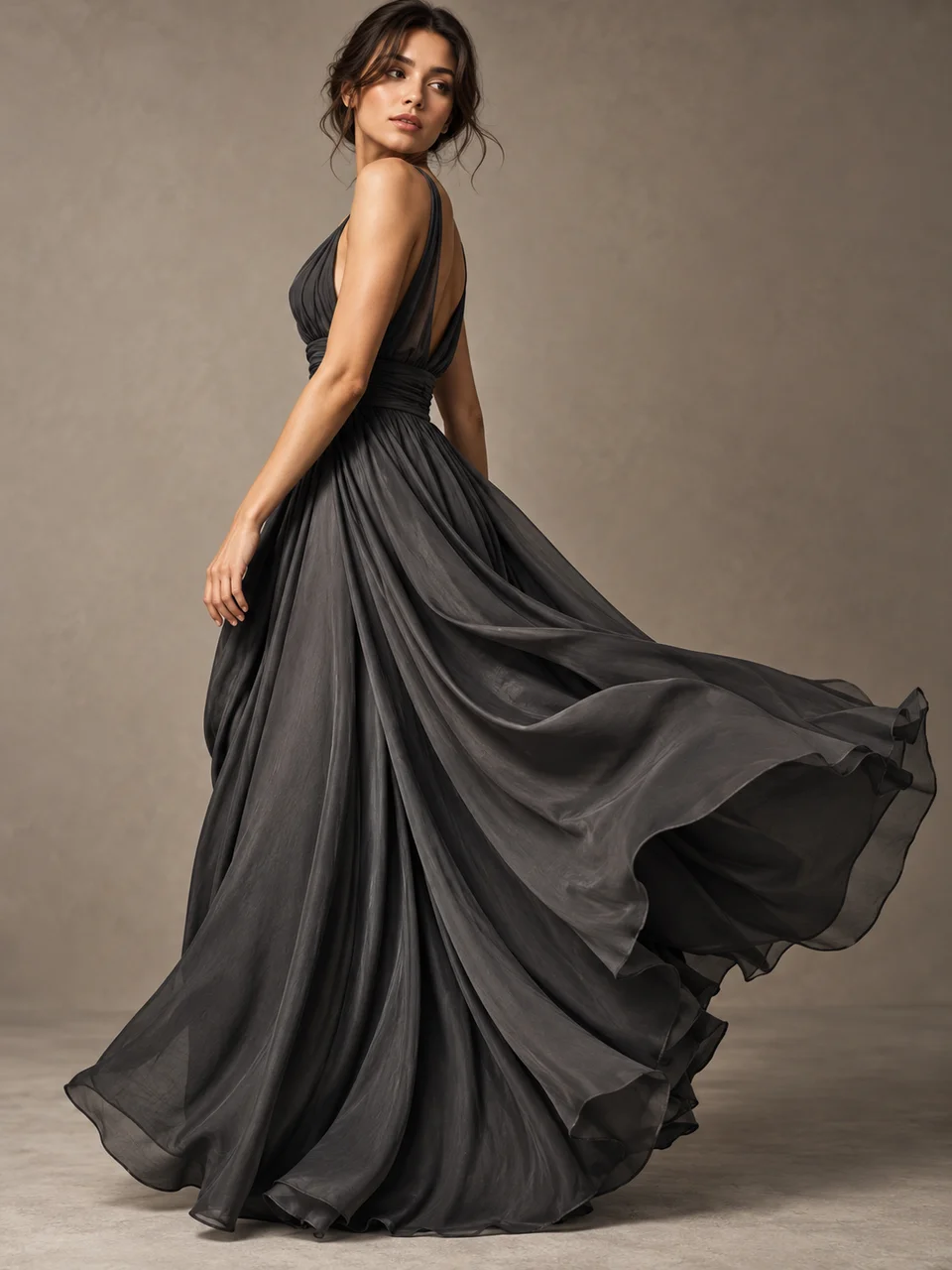 Fluid DrapingHeavy cloth follows one continuous sculptural gesture.
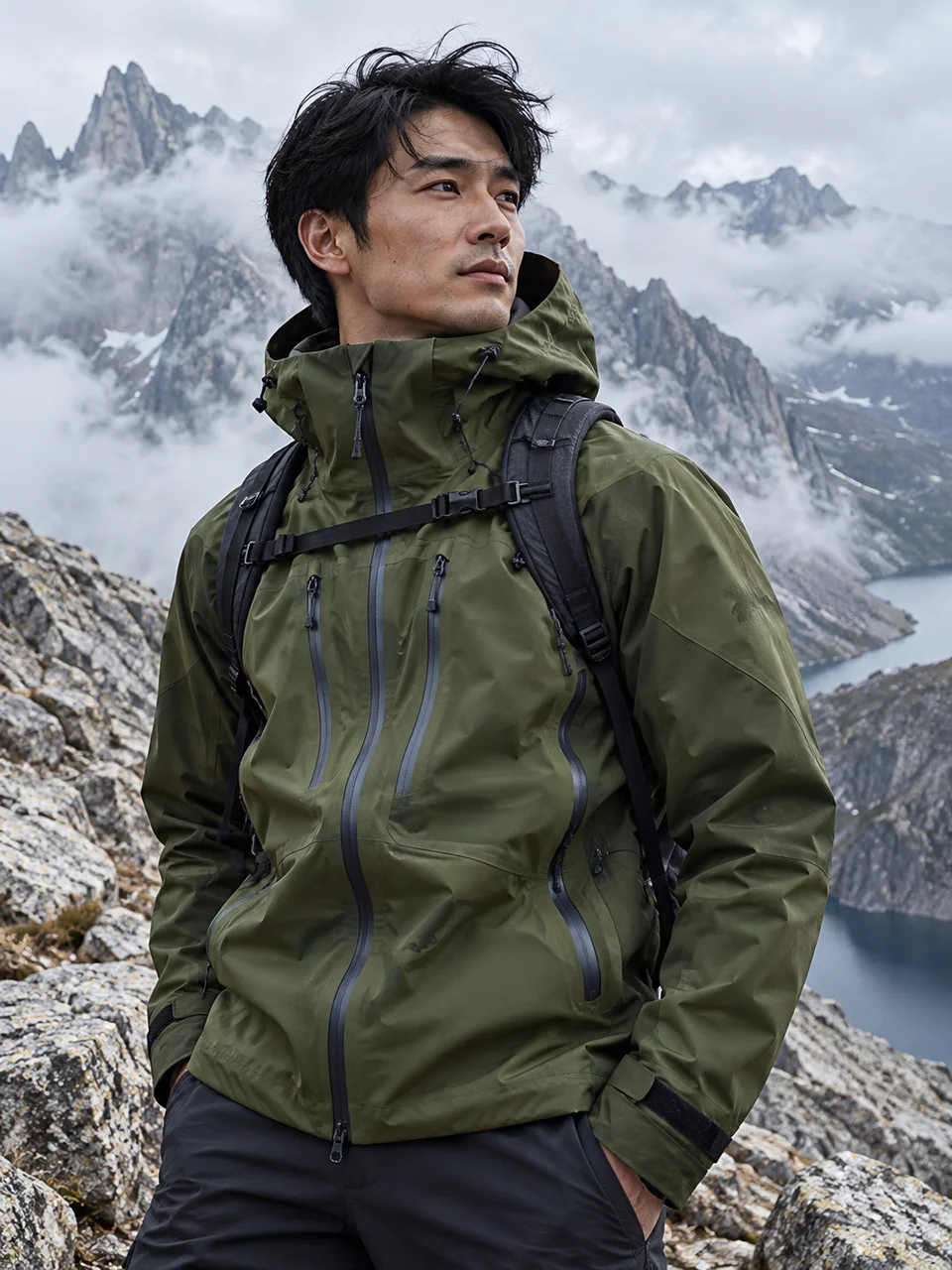 Technical OuterwearFunctional construction photographed with alpine precision.
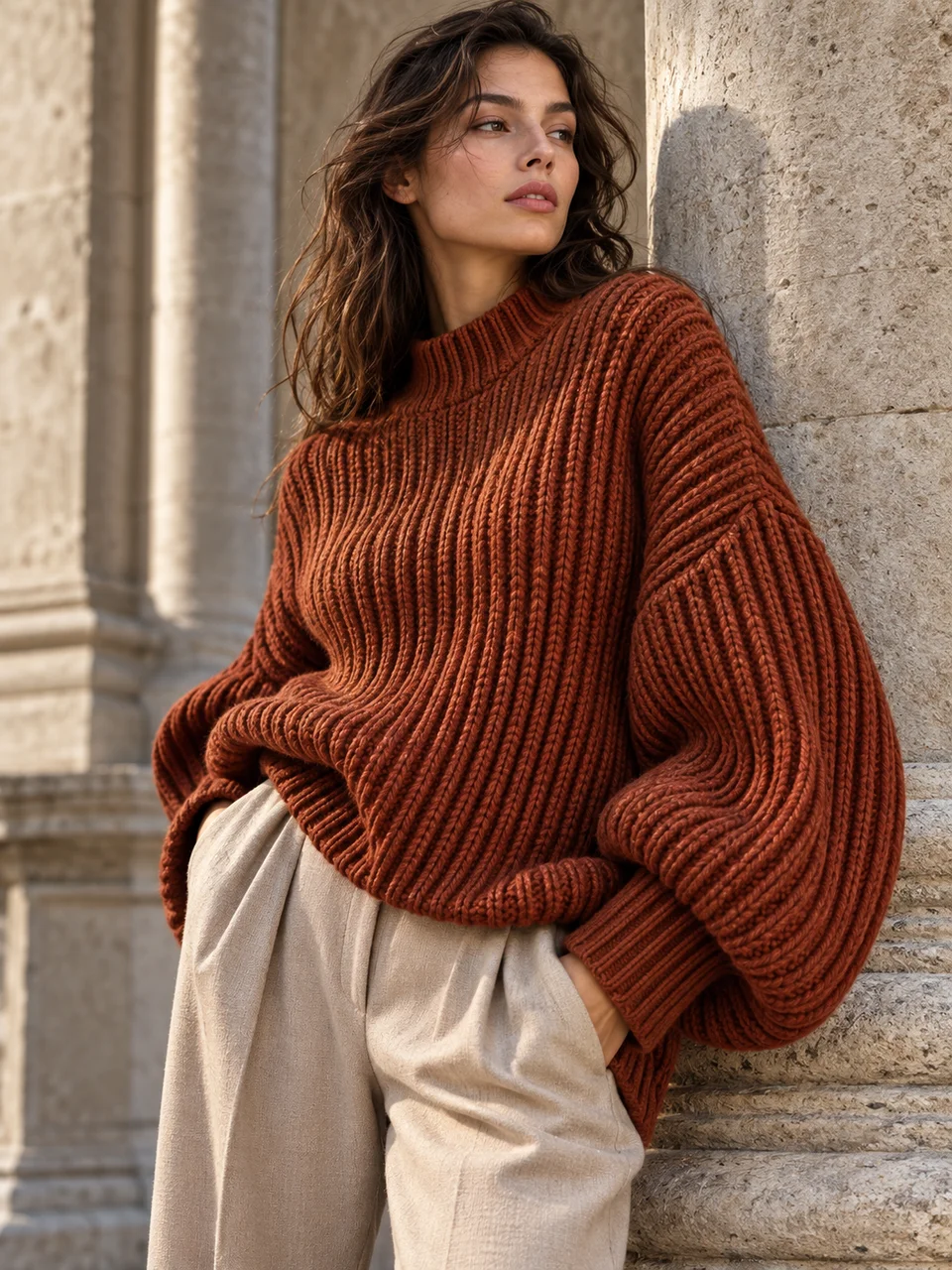 Architectural KnitwearRibbed volume and structured knit shapes define the frame.
Bring it to life
Effects that turn a still in this look into a short video.
 Cinemagraph
 Slider Parallax