


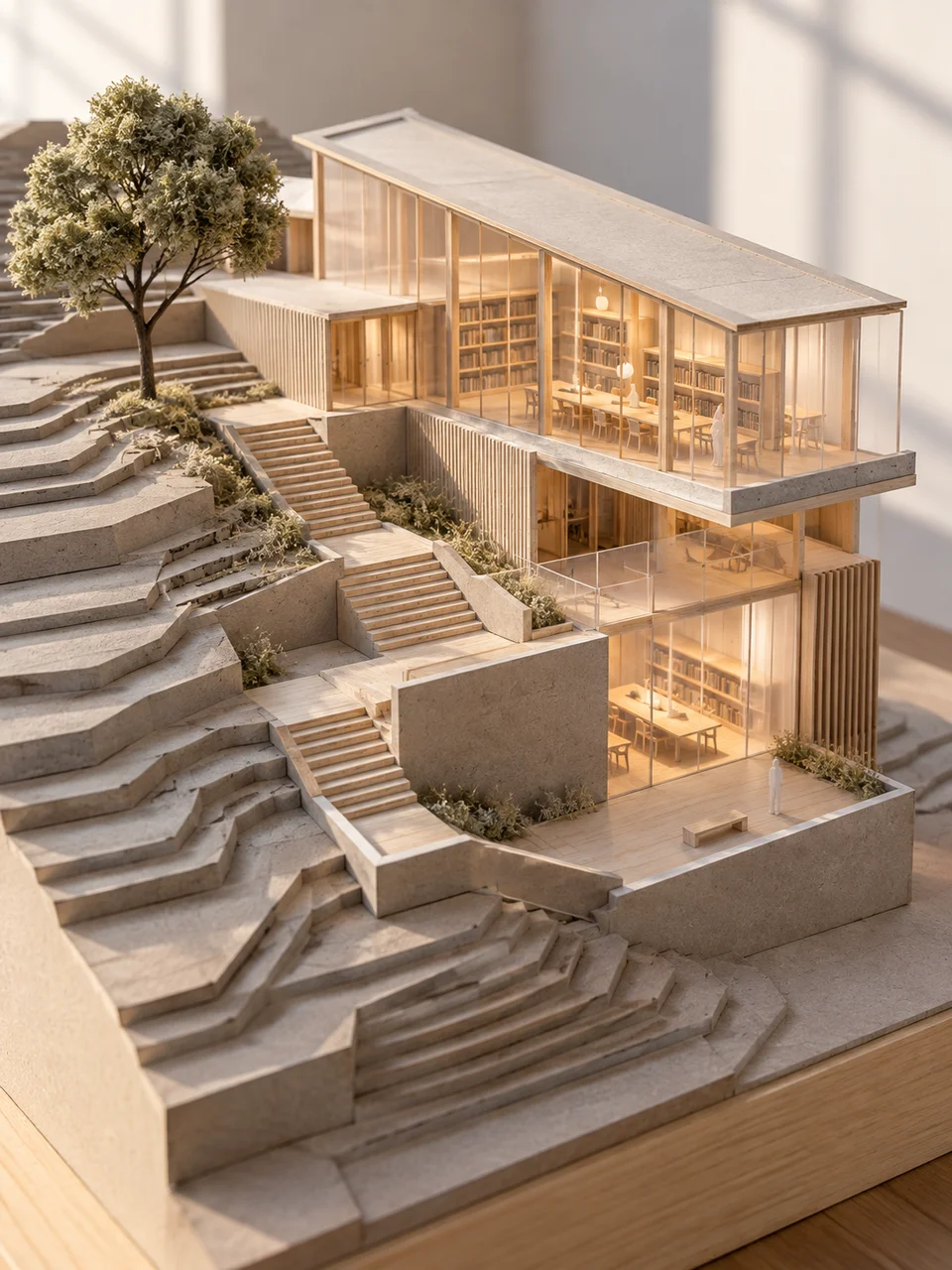
Building Model AI Image Generator: Architectural Maquette
A measured miniature with exposed model-making materials.
- From a description only
- Best shape: 3:4 · 4:5 · 1:1
Works on
- Seedream 5.0 Pro
- Qwen Image 3.0
- Nano Banana 2.1
- Seedream 5.0 Flash
About Architectural Maquette
Architectural Maquette presents a building as a physical study model on a work surface. Museum board, balsa, and translucent acrylic remain recognizable, with cut edges and joins contributing to the image. A high three-quarter camera reveals roof plans, wall depth, and the relationship between volumes. The look comes from architectural model making, where simplified materials communicate spatial ideas at a smaller scale. Soft window light emphasizes assembly without pretending the miniature is full size.
Describe a written building concept with a few clear volumes. A courtyard library, a hillside cabin on a stepped base, a small railway shelter, or a house around one tree gives the model a readable organizing idea. Mention which roofs are open or removable and how the ground is represented. A restrained site base helps communicate level changes without filling the model with highly realistic trees, cars, and street furniture.
Paste “a board and balsa model of a courtyard library with one roof panel removed” or “a hillside cabin maquette on a stepped museum-board terrain base.” Another useful subject is “a small railway shelter model with translucent acrylic wind screens.” Thicker board makes walls and cut edges more prominent; finer balsa framing shifts attention toward the building’s structural rhythm and gives the miniature a lighter character.
Tips
- Choose a high three-quarter viewpoint so both the building footprint and wall height remain visible.
- Assign board to walls, balsa to framing, and acrylic to glazing for a readable material system.
- Open one roof section if the courtyard or room layout is the main feature.
- Represent terrain with a few stacked contours instead of a fully realistic landscape.
- Include the edge of the site base to make the model’s miniature scale unmistakable.
What the style adds
Your words go where it says “your subject”. Everything else is added for you.
your subject. Construct an architectural maquette from museum board, balsa wood and translucent acrylic. Keep cut edges, careful joins and believable scale relationships visible. Use a high three-quarter camera and soft window light, avoiding full-size photoreal scenery, labels or generic toy details.
Models and price
- Seedream 5.0 Pro36 credits
- Qwen Image 3.030 credits
- Nano Banana 2.148 credits
- Seedream 5.0 Flash29 credits
One 1K image from a description. The button always shows the exact price before you spend anything.
How to use Architectural Maquette
- Describe itWrite who or what should be in the picture. A small action and a clear place work best.
- Pick a shapeKeep the suggested ratio and model, or change them in the bar at the bottom.
- Paint itPress “Paint it”. The price is on the button before you spend anything.
Questions about Architectural Maquette
Can I use Architectural Maquette on my own photo?
Not yet. This style works from a description: write what you want to see and the style adds the look.
How much does one Architectural Maquette image cost?
29 credits for one 1K image on Seedream 5.0 Flash. 2K costs more, and the button shows the exact price before you run it.
Will it look like a finished building photograph?
The style deliberately shows a miniature and its model-making materials. Visible board thickness, cut edges, and a raised viewpoint establish scale. Describe the building’s arrangement rather than asking the scenery to look full size.
Can I explore an interior layout?
Yes. Ask for an open roof or a removed wall so the rooms can be seen from above. Keep the number of spaces manageable and describe their relationship, such as a reading room surrounding a central courtyard.
How does it differ from Wooden Automaton?
Wooden Automaton uses carved characters and visible moving mechanisms. Architectural Maquette uses board, wood, and acrylic to explain buildings and site relationships, with scale and assembly taking the place of mechanical action.
Similar styles
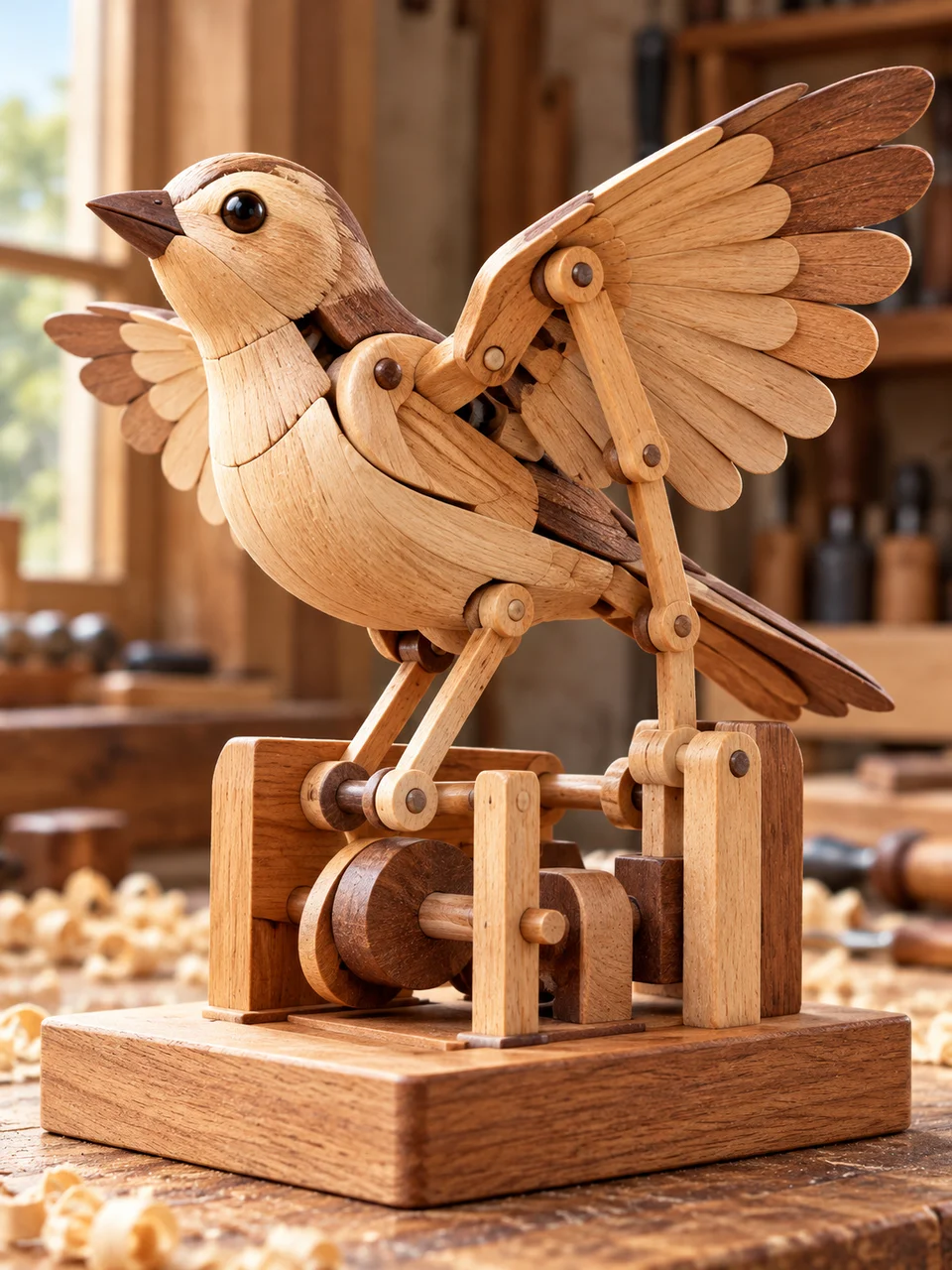 Wooden AutomatonA crafted mechanism brings a sculptural character to life.
 Articulated WoodCarved segments and precise joints reveal handcrafted movement.
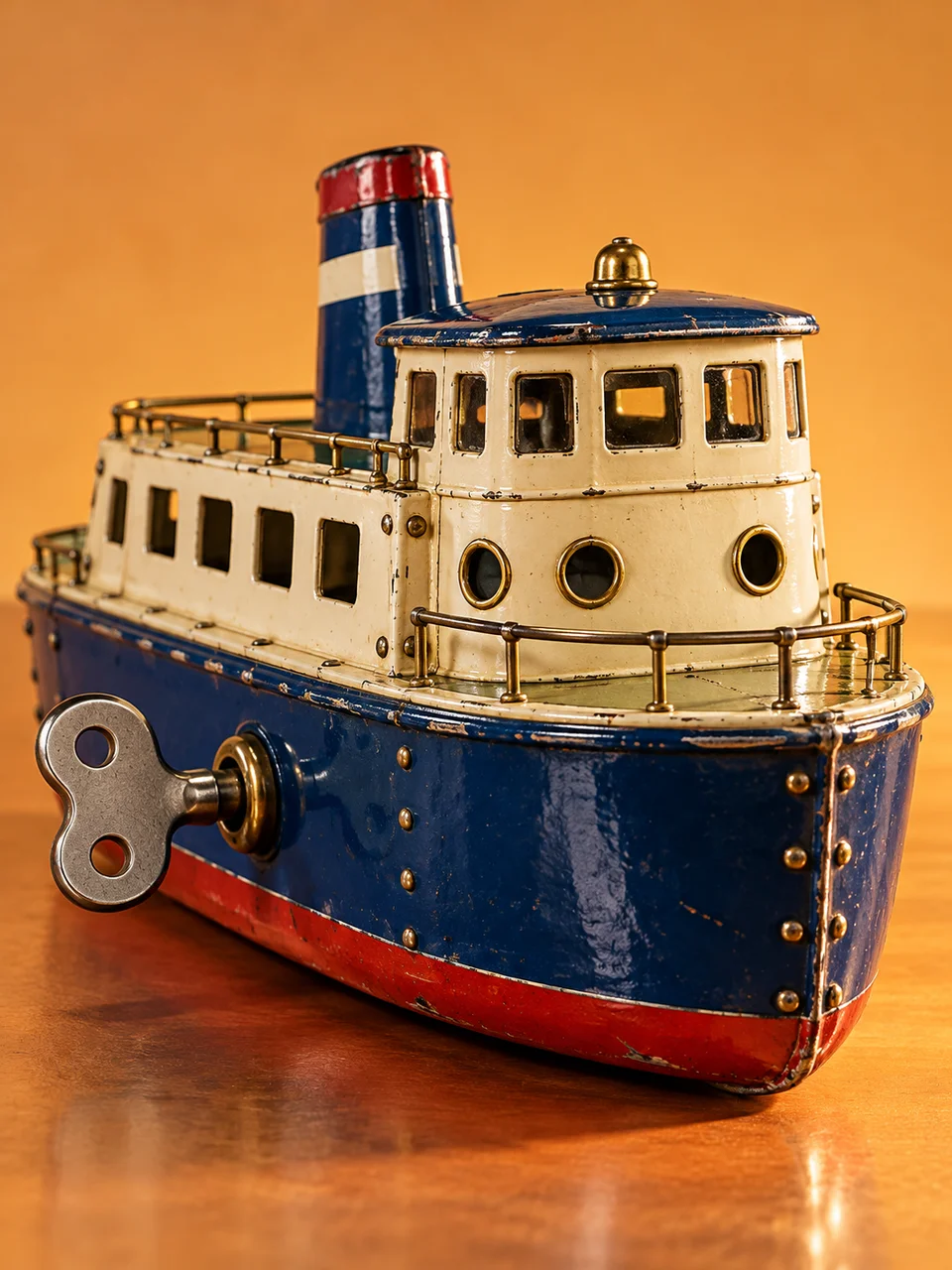 Lithographed TinFolded metal edges and printed enamel recall a designed collectible.
 Sugar SculptureFragile blown sugar catches light along thin amber edges.
Bring it to life
Effects that turn a still in this look into a short video.
 Slider Parallax
 Big Reveal