

Tin Toy AI Image Generator: Lithographed Tin
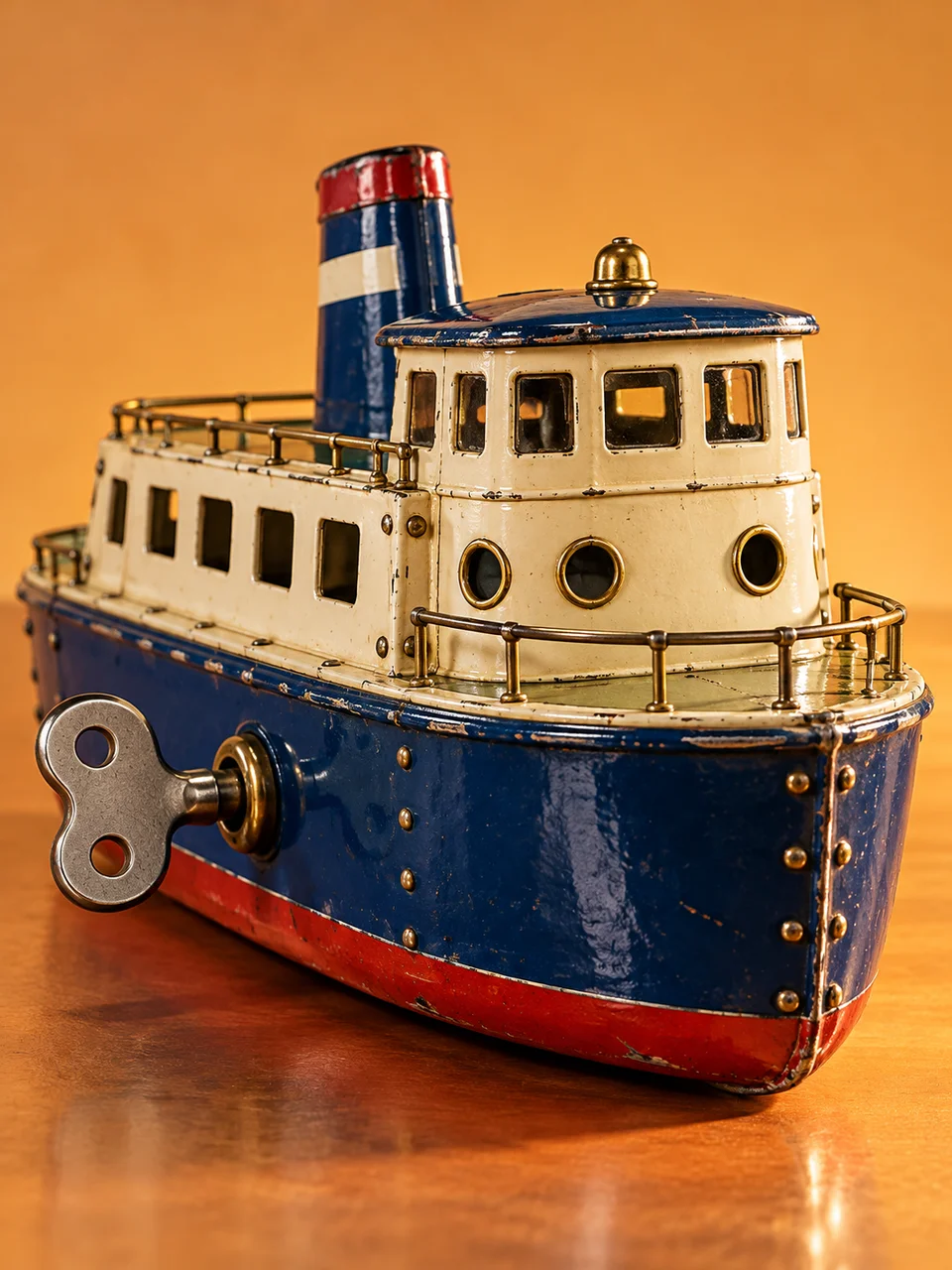
Folded metal edges and printed enamel recall a designed collectible.
- From a description only
- Best shape: 3:4 · 4:5 · 1:1
Works on
- Seedream 5.0 Pro
- Qwen Image 3.0
- Nano Banana 2.1
- Seedream 5.0 Flash
About Lithographed Tin
Lithographed Tin combines bright printed surfaces with the practical signs of folded metal. Seams, tabs, and little rivets interrupt the color in believable places, while controlled highlights describe the curved shell. Slight wear gathers at exposed edges rather than covering everything in rust. The reference is lithographed tin toy manufacture, where printed decoration and formed sheet metal work together. A warm, simple backdrop gives the collectible a clear product-photo presence.
Write about an object with a strong outline and room for printed detail. A red delivery van, a round-bodied songbird, a small ferry, or a cheerful mechanical dog all translate well into tin construction. Specify where color bands and seams should sit, and describe a stable base or wheels. Flat printed windows or feathers can suggest detail without requiring the shell to contain many tiny separate sculpted parts.
Start with “a red tin delivery van with cream printed windows and folded wheel arches” or “a blue tin songbird with printed feather patterns and a riveted tail.” You can also try “a small yellow ferry made from folded tin on a warm tabletop.” A nearly fresh finish emphasizes the printed design, while a little wear along corners makes the metal construction more evident without overwhelming the color.
Tips
- Place wear on folded corners and wheel rims so it follows the object’s exposed edges.
- Use printed patterns for fine features such as feathers or window frames instead of adding delicate metal appendages.
- Ask for one broad reflection across the shell to show gloss while keeping the printed color readable.
- Choose a warm cream background when the tin object has strong red, blue, or yellow panels.
- Keep the collectible unboxed so seams, rivets, and the full silhouette remain visible.
What the style adds
Your words go where it says “your subject”. Everything else is added for you.
your subject. Build an original tin collectible with folded metal seams, small rivets and lithographed enamel color. Use slight wear at edges and controlled glossy highlights, keeping the underlying construction visible. Photograph against a simple warm background without logos, warning labels or imitation branded packaging.
Models and price
- Seedream 5.0 Pro36 credits
- Qwen Image 3.030 credits
- Nano Banana 2.148 credits
- Seedream 5.0 Flash29 credits
One 1K image from a description. The button always shows the exact price before you spend anything.
How to use Lithographed Tin
- Describe itWrite who or what should be in the picture. A small action and a clear place work best.
- Pick a shapeKeep the suggested ratio and model, or change them in the bar at the bottom.
- Paint itPress “Paint it”. The price is on the button before you spend anything.
Questions about Lithographed Tin
Can I use Lithographed Tin on my own photo?
Not yet. This style works from a description: write what you want to see and the style adds the look.
How much does one Lithographed Tin image cost?
29 credits for one 1K image on Seedream 5.0 Flash. 2K costs more, and the button shows the exact price before you run it.
Will it look old and rusty?
The default look uses only slight edge wear, preserving the enamel color and clear metal form. Describe a freshly kept collectible for a cleaner finish, or lightly worn corners if you want more signs of handling.
How is it different from Articulated Wood?
Articulated Wood emphasizes carved segments, grain, and visible poseable joints. Lithographed Tin uses a folded metal shell with printed decoration, small seams, and rivets, so color and thin sheet construction define the collectible.
Do animals work as well as vehicles?
They do when their bodies can become a few clear metal volumes. Birds, dogs, and rounded fish are especially readable. Intricate fur and wispy feathers work better as printed surface patterns than as hundreds of separate metal pieces.
Similar styles
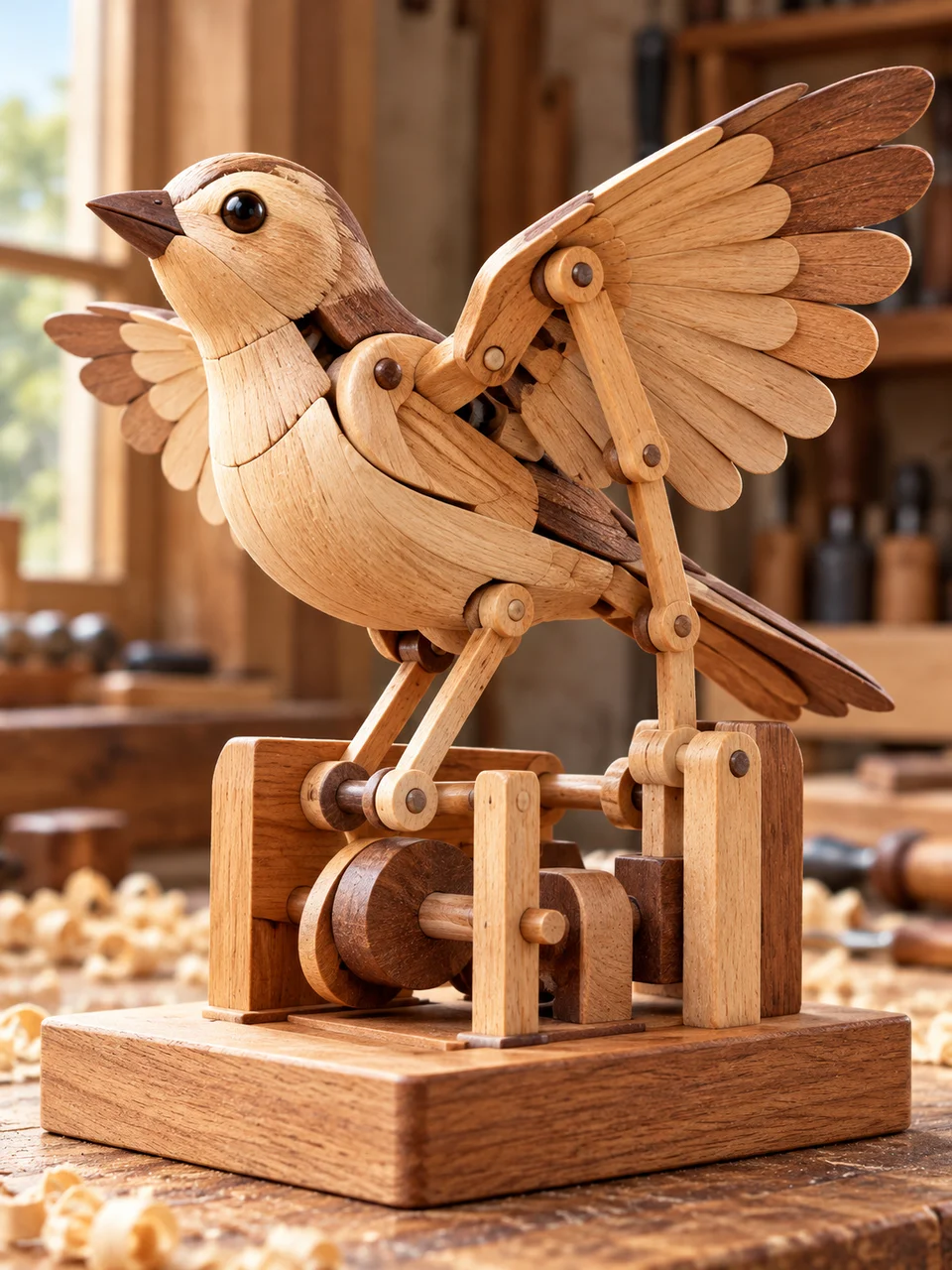 Wooden AutomatonA crafted mechanism brings a sculptural character to life.
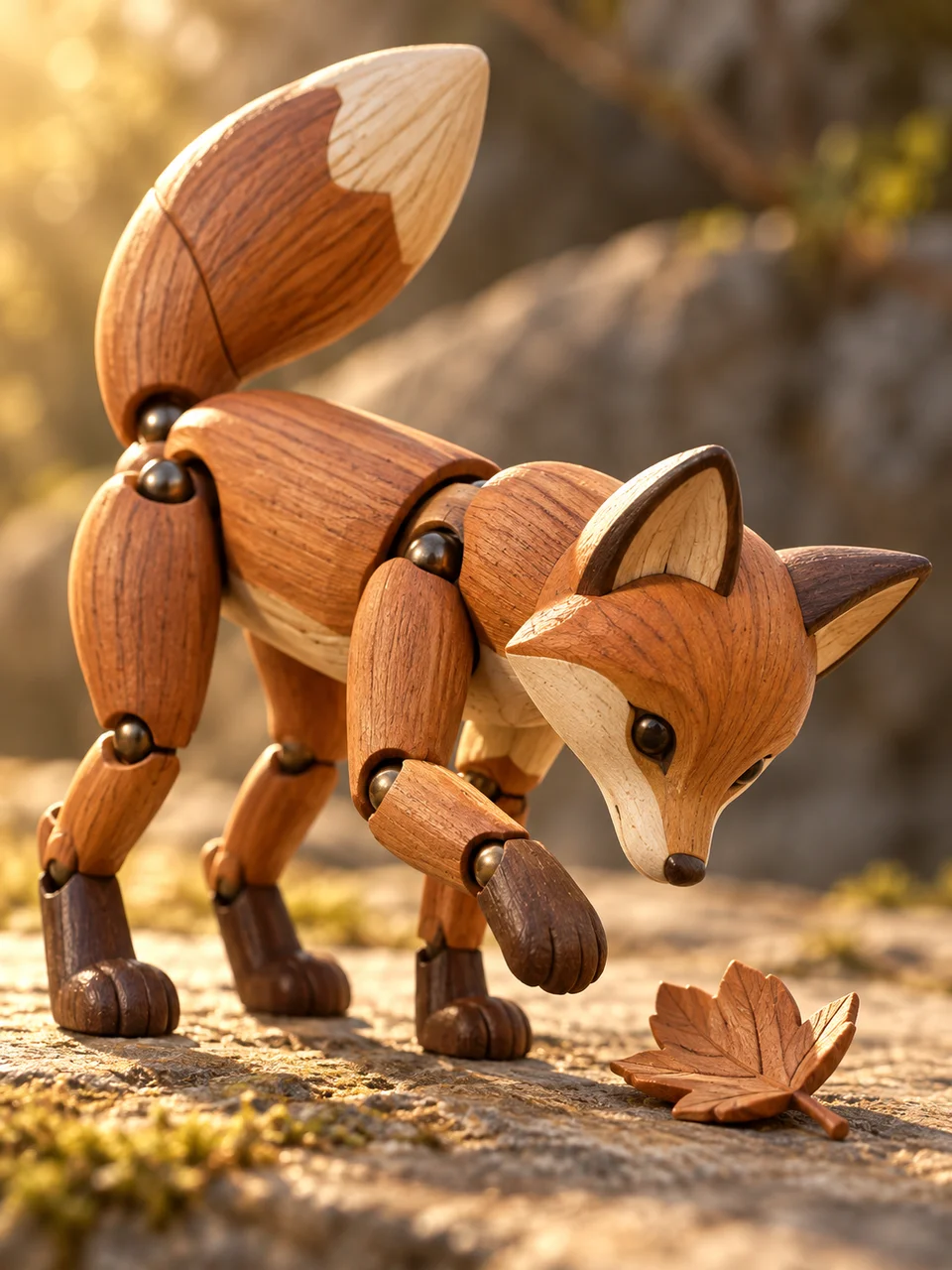 Articulated WoodCarved segments and precise joints reveal handcrafted movement.
 Stop Motion PuppetFabric skin, jointed construction and miniature set detail.
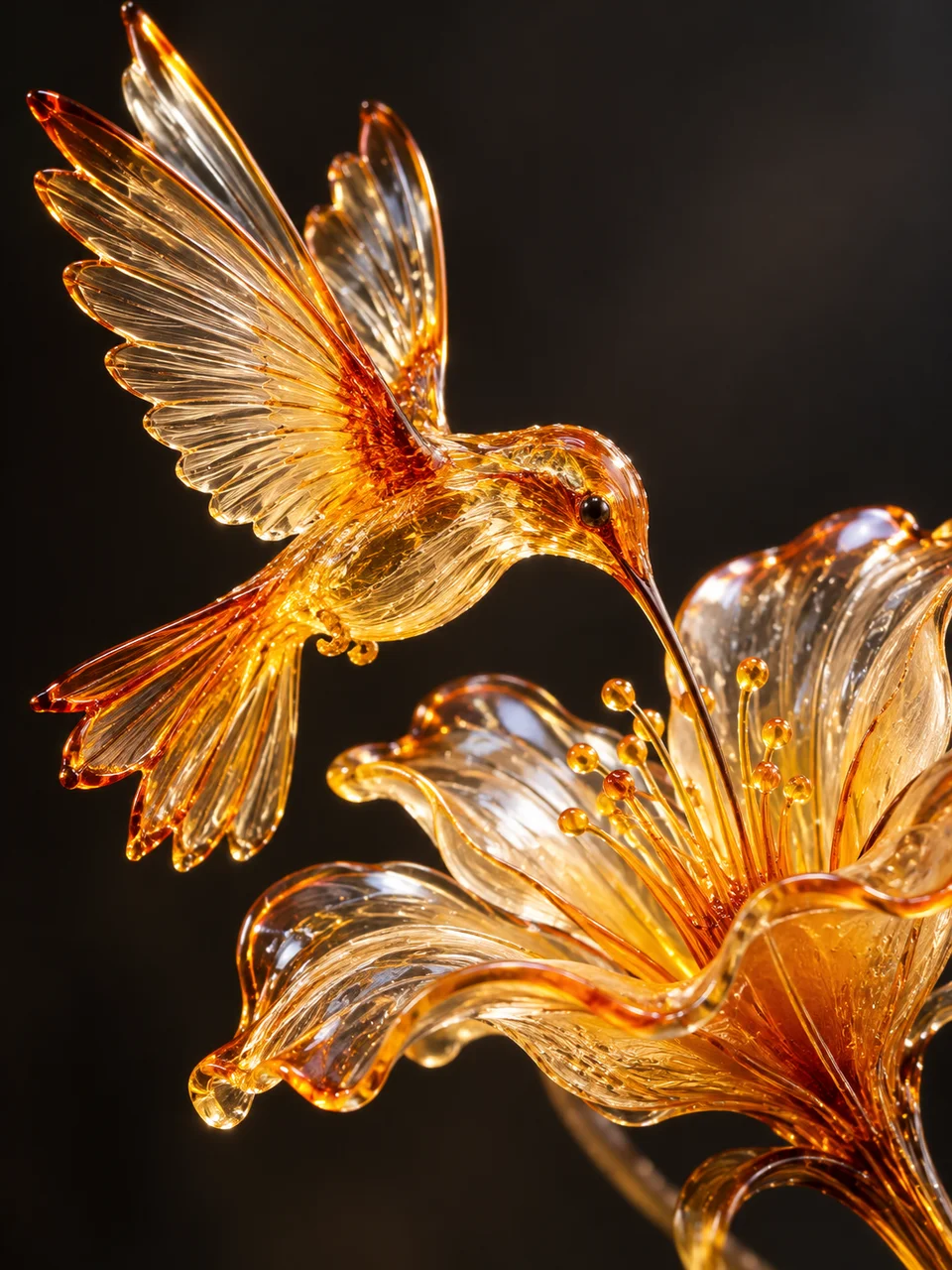 Sugar SculptureFragile blown sugar catches light along thin amber edges.
Bring it to life
Effects that turn a still in this look into a short video.
 360 Turntable
 Slider Parallax