

Textile AI Art Generator: Woven Topography
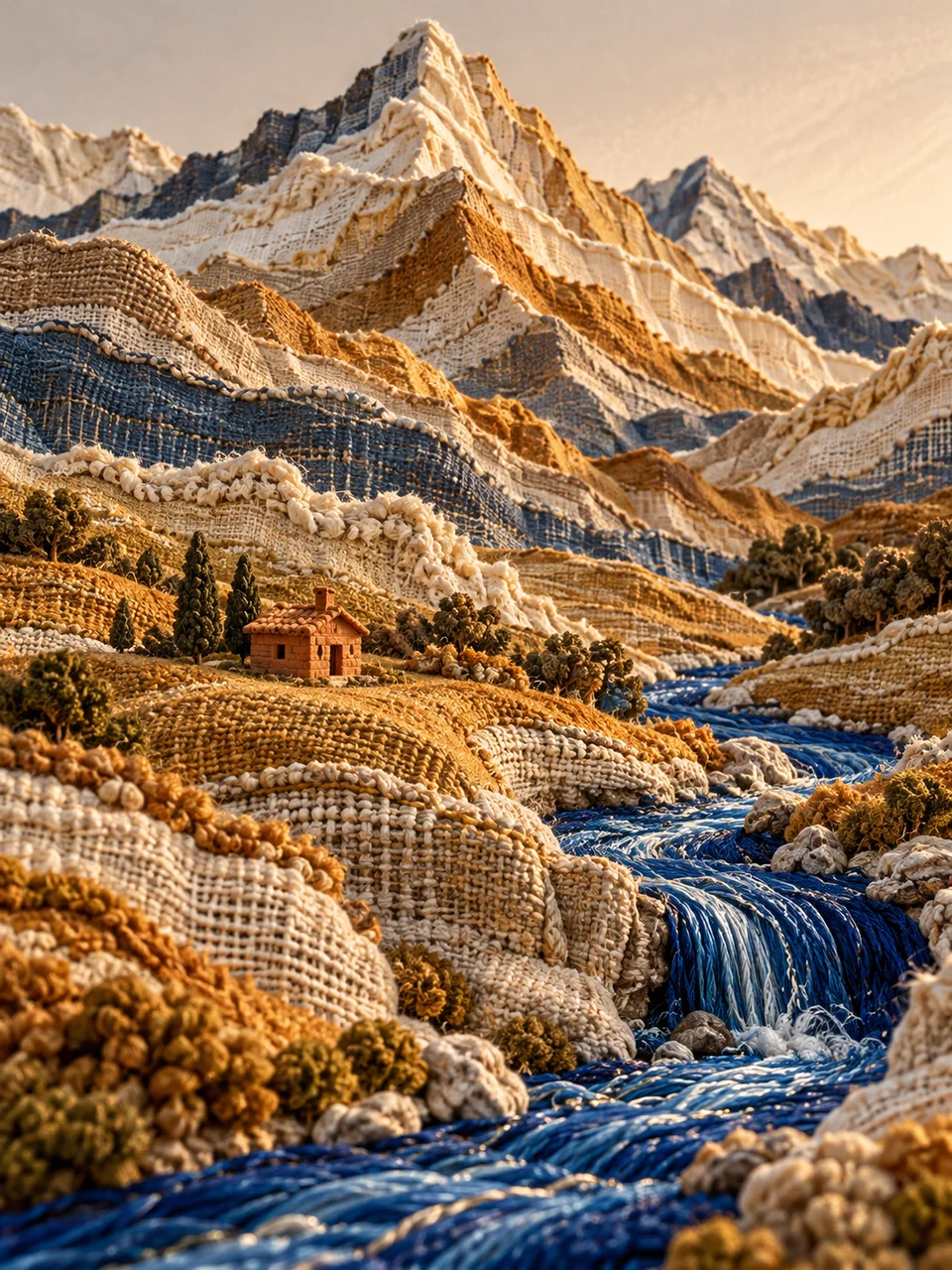
Wool and linen form a sculptural landscape.
- From a description only
- Best shape: 3:4 · 4:5 · 1:1
Works on
- Seedream 5.0 Pro
- Qwen Image 3.0
- Nano Banana 2.1
- Seedream 5.0 Flash
About Woven Topography
Woven Topography builds an image as a textile landscape. Wool brings fuzzy edges, linen supplies a firmer weave, and stacked fabric creates ridges you can almost follow with a fingertip. The look draws on weaving and sculptural textile art, with visible crossings of thread doing real visual work. Light grazes the surface so that a raised hill, a riverbank, and a loose fiber each cast their own shadow.
This style works from a written description. Broad, nested shapes give the fabric room to show: a river winding through farmland, terraced hills around a lake, a shell seen from above, or a bird resting among large leaves. Describe the boundaries between those forms and choose one detail to carry in finer thread. A narrow stream can become a lustrous line between thick, matte fields of wool.
Try “a winding river between terraced ochre hills, seen from above” or “an ivory shell with cobalt chambers arranged across a woven panel.” For a more figurative image, use “a small heron beside broad reeds and layered water.” Scale changes the character of the result: large landforms make the cloth feel architectural, while a close view of a small object emphasizes fibers, cut edges, and the rhythm of the weave.
Tips
- Name separate height levels, such as a raised ridge above a recessed river. Those differences give the woven surface depth.
- Keep delicate details to one feature; a thread river reads more clearly than dozens of tiny tributaries.
- Use cobalt for a small focal shape so the ochre and ivory remain dominant.
- Ask for a view from above when contour lines are the main attraction.
- Leave an exposed fabric margin around the subject to make the layered construction easy to recognize.
What the style adds
Your words go where it says “your subject”. Everything else is added for you.
your subject. Construct the scene from layered woven wool and linen, exposing warp, weft and cut fabric contours. Fine flowing details use lustrous thread. Restrained ochre, ivory and cobalt; raking light reveals individual fibers and believable physical depth.
Models and price
- Seedream 5.0 Pro36 credits
- Qwen Image 3.030 credits
- Nano Banana 2.148 credits
- Seedream 5.0 Flash29 credits
One 1K image from a description. The button always shows the exact price before you spend anything.
How to use Woven Topography
- Describe itWrite who or what should be in the picture. A small action and a clear place work best.
- Pick a shapeKeep the suggested ratio and model, or change them in the bar at the bottom.
- Paint itPress “Paint it”. The price is on the button before you spend anything.
Questions about Woven Topography
Can I use Woven Topography on my own photo?
Not yet. This style works from a description: write what you want to see and the style adds the look.
How much does one Woven Topography image cost?
29 credits for one 1K image on Seedream 5.0 Flash. 2K costs more, and the button shows the exact price before you run it.
Is this a picture printed on fabric?
The intended appearance is constructed from fabric itself. Shapes have cut edges and visible woven structure, with stacked layers forming shallow relief. Describe raised and recessed areas if the first result looks too flat.
How does it differ from Sculpted Tufting?
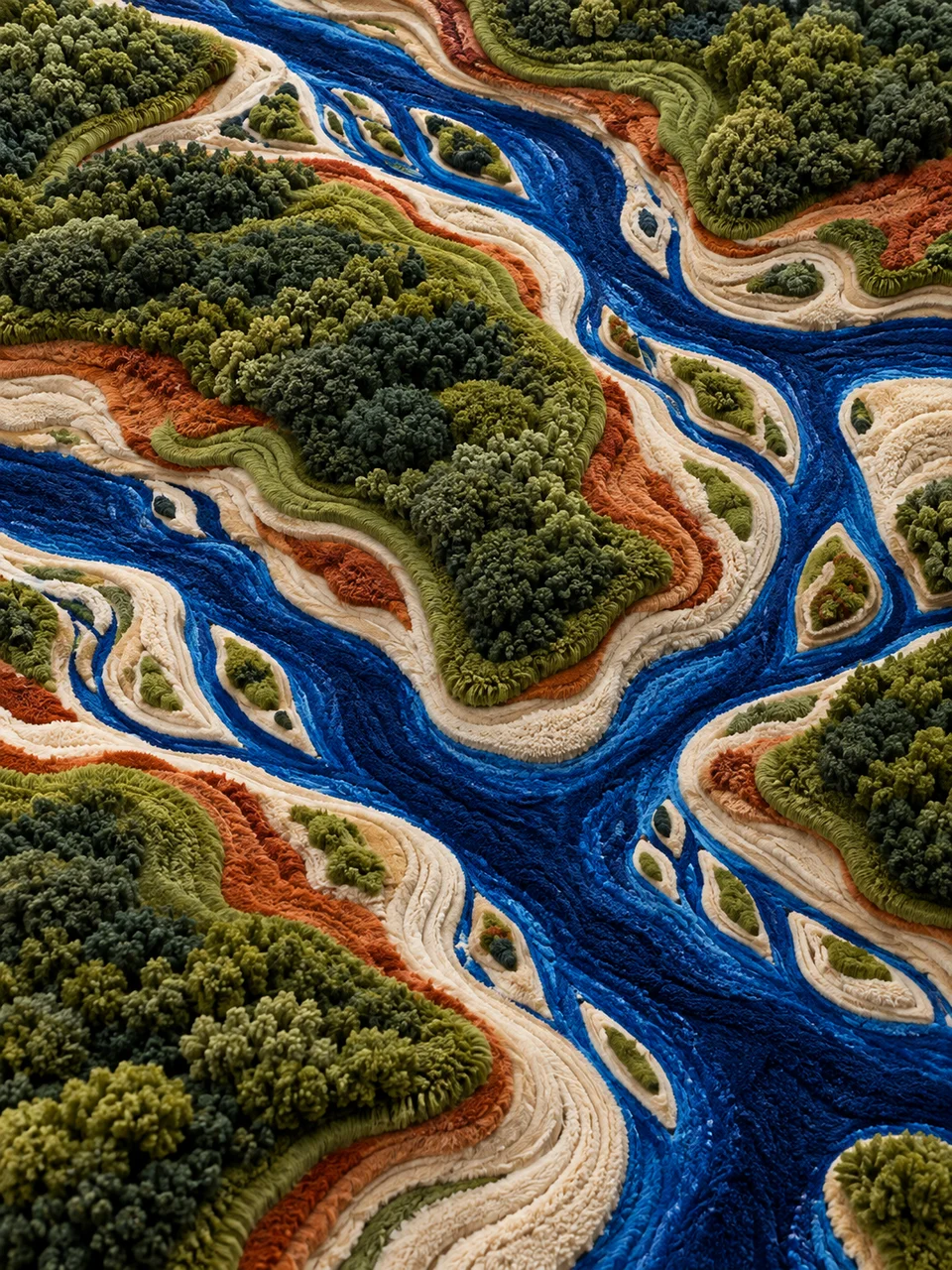
Woven Topography emphasizes sheets of woven cloth, thread direction, and layered contours. Sculpted Tufting uses clipped wool pile, with plush mounds and carved channels resembling the surface of a sculptural rug.
Can I make a detailed city map?
A simplified map with broad blocks, one river, and a few landmarks suits this treatment. Dense street names and tiny intersections compete with the weave, so use the image as an expressive textile interpretation.
Similar styles
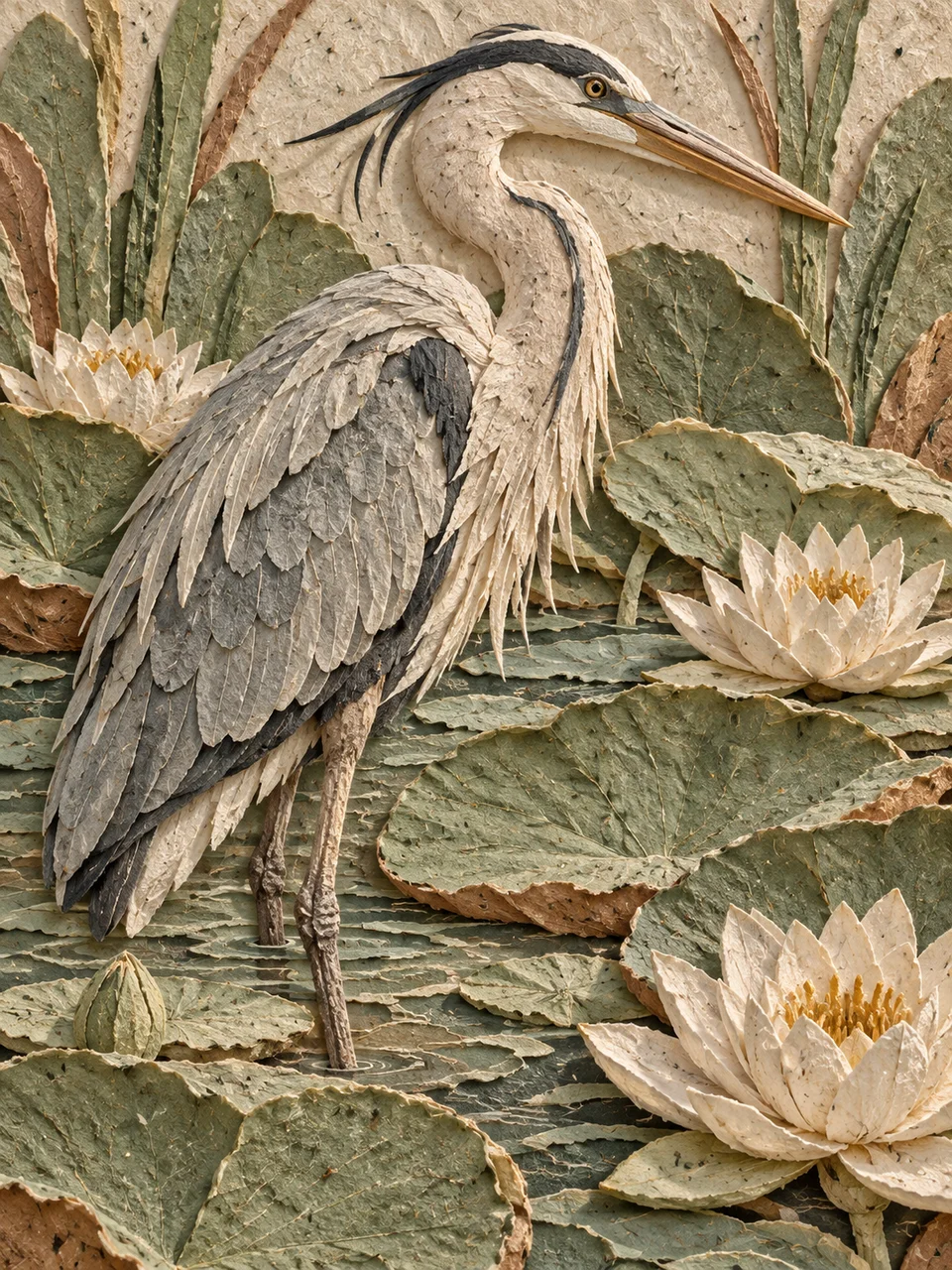 Paper Pulp Relief
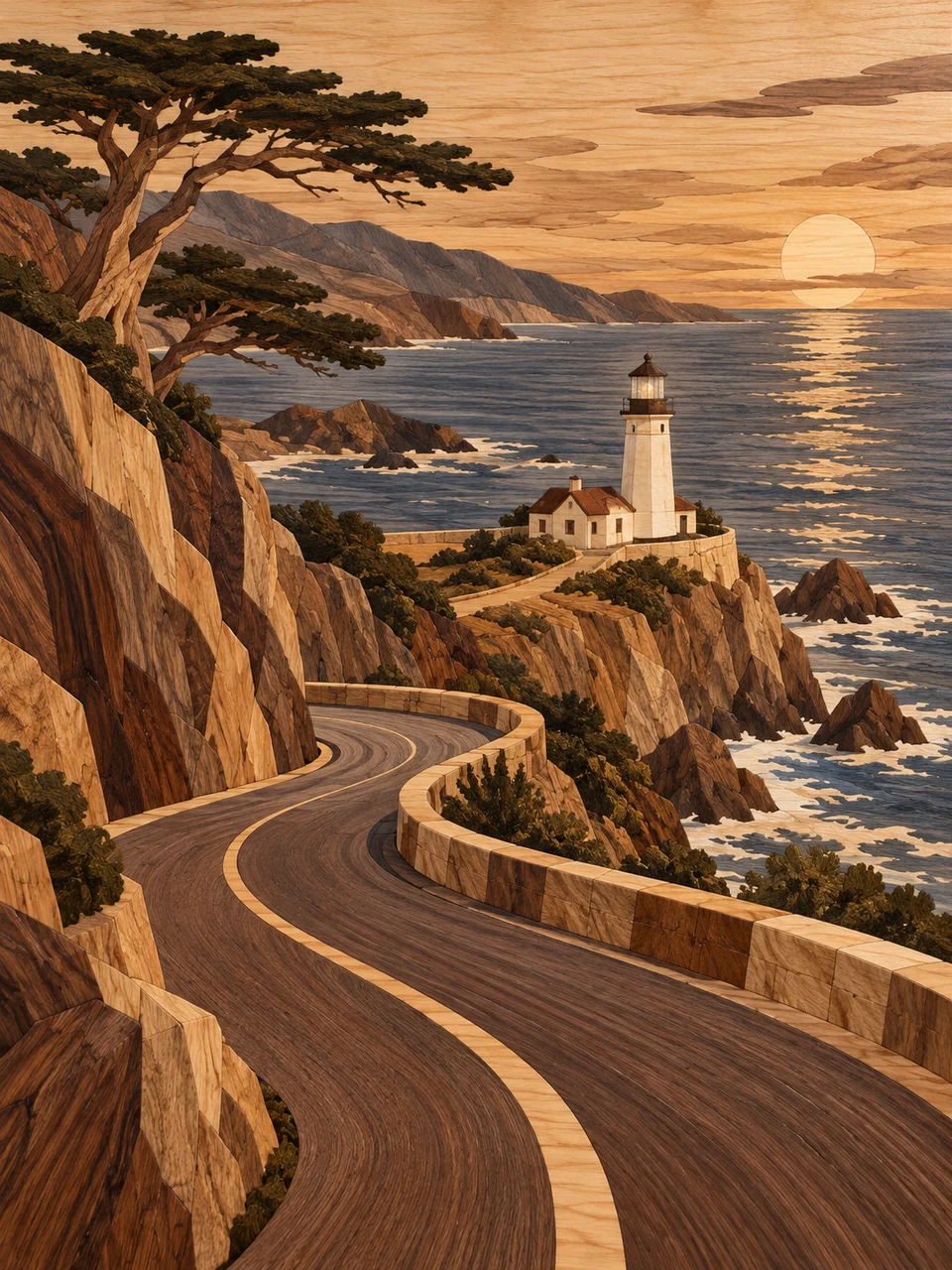 Wood Marquetry
 Sculpted Tufting
 Cork Relief
Bring it to life
Effects that turn a still in this look into a short video.
 Slider Parallax
 Knit World