

Windblown AI Portrait Generator: Wind Study
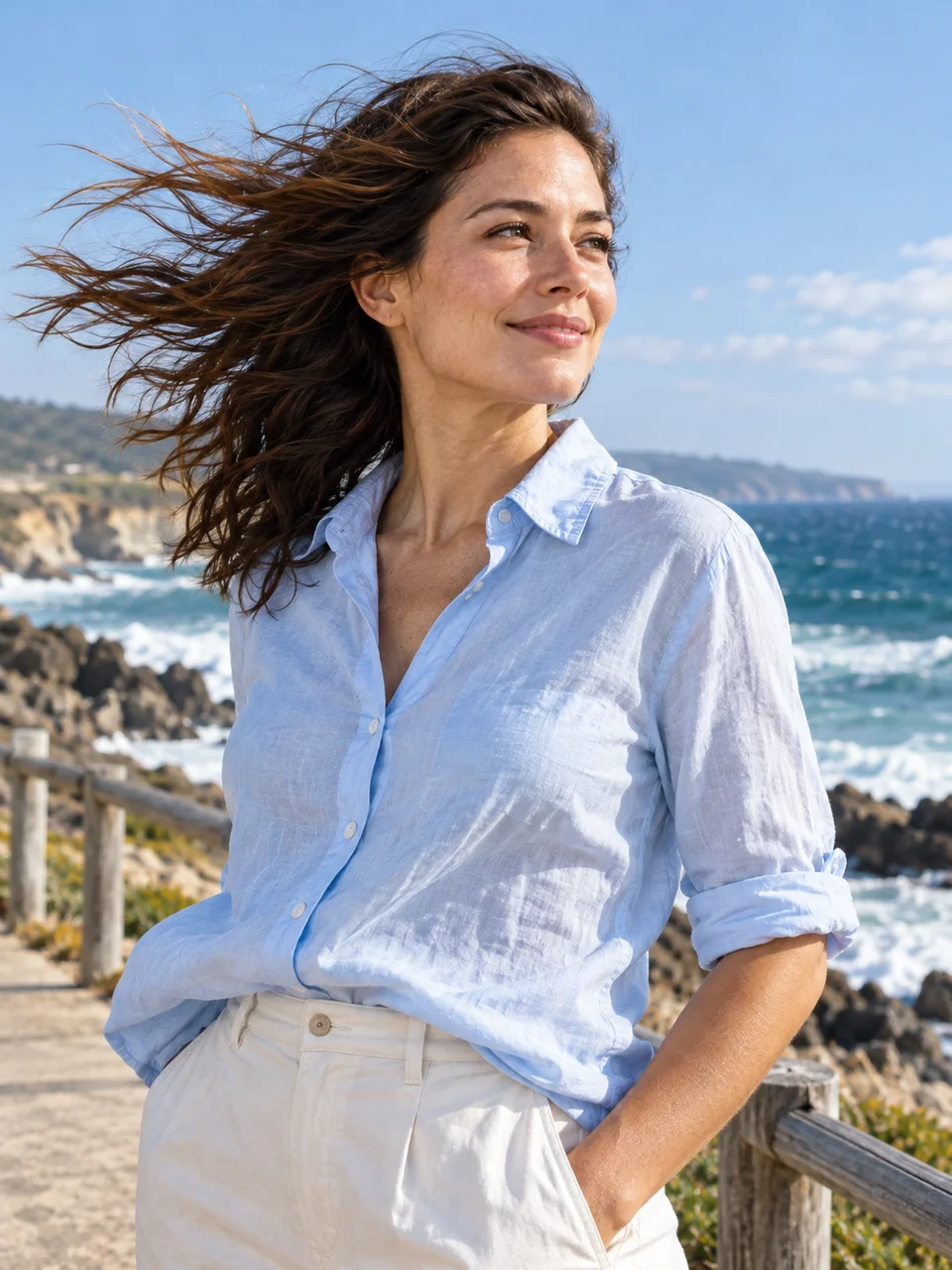
Real wind shapes cloth and hair in one coherent direction.
- From a description only
- Best shape: 3:4 · 4:5 · 1:1
Works on
- Seedream 5.0 Pro
- Qwen Image 3.0
- Nano Banana 2.1
- Seedream 5.0 Flash
About Wind Study
Wind Study captures the moment when moving air gives a portrait its shape. Hair lifts toward one side, a shirt pulls against a shoulder, and a loose hem extends from the body with believable tension. The approach belongs to location portraiture and fashion photography, using weather as part of the composition. Clean coastal daylight keeps faces readable, while a spare background makes the direction of the breeze easy to follow across the frame.
Lightweight clothes and simple standing poses give the wind something legible to move. Picture a person in a cotton shirt beside a seawall, a long-haired sitter on a dune, or someone in a linen coat on a coastal path. Describe the fabric weight, hair length, and which way the breeze travels. The image is created from a written description; a grounded stance and one loose garment usually tell the clearest story.
Start with “a person in a loose white cotton shirt beside a seawall, breeze blowing toward the left” or “a short-haired person in an open linen coat on a quiet coastal path”. You can also try “a long-haired sitter on a dune, face turned slightly into a steady breeze”. Fine cotton forms small ripples, while heavier linen makes broader folds. Leaving space on the downwind side lets those moving edges extend naturally.
Tips
- Give the breeze one direction relative to the frame. Hair, sleeves, and hems should all follow that same movement.
- Choose a planted stance with relaxed knees or a seated pose. Firm contact with the ground makes the moving cloth feel convincing.
- Keep scarves and other loose accessories to a minimum; one fluttering shirt or coat provides enough motion for a readable portrait.
- Describe hair moving away from the eyes when facial expression matters. Long strands across the entire face can obscure the portrait.
- Select 3:4 for a standing figure with a moving hem, and leave open sky or sand behind the fabric’s outer edge.
What the style adds
Your words go where it says “your subject”. Everything else is added for you.
your subject. Make a photographic portrait where a steady wind shapes hair and clothing consistently in the same direction. Preserve a clear face, believable fabric tension and grounded posture. Use clean coastal daylight and spare composition, avoiding tangled impossible strands, floating accessories or dramatic fantasy weather.
Models and price
- Seedream 5.0 Pro36 credits
- Qwen Image 3.030 credits
- Nano Banana 2.148 credits
- Seedream 5.0 Flash29 credits
One 1K image from a description. The button always shows the exact price before you spend anything.
How to use Wind Study
- Describe itWrite who or what should be in the picture. A small action and a clear place work best.
- Pick a shapeKeep the suggested ratio and model, or change them in the bar at the bottom.
- Paint itPress “Paint it”. The price is on the button before you spend anything.
Questions about Wind Study
Can I use Wind Study on my own photo?
Not yet. This style works from a description: write what you want to see and the style adds the look.
How much does one Wind Study image cost?
29 credits for one 1K image on Seedream 5.0 Flash. 2K costs more, and the button shows the exact price before you run it.
Can I make the wind stronger without losing the face?
Give the strongest movement to a loose sleeve or coat hem, and describe the face as turned into the breeze with eyes visible. Very forceful movement across long hair can conceal features and make the pose harder to read.
How is Wind Study different from Fluid Draping?
Wind Study uses a consistent breeze to explain the movement of hair and clothing. Fluid Draping focuses on the way fabric hangs and folds around the body. Pick Wind Study when outdoor air should be the visible cause of the garment’s shape.
Which clothes show the breeze best?
Loose cotton shirts, light linen coats, and wide sleeves offer clear edges that can lift or ripple. Close-fitting heavy garments have fewer movable areas. Describe one free hem or open layer if you want the wind to register immediately.
Similar styles
 Sculptural Tailoring
 Fluid Draping
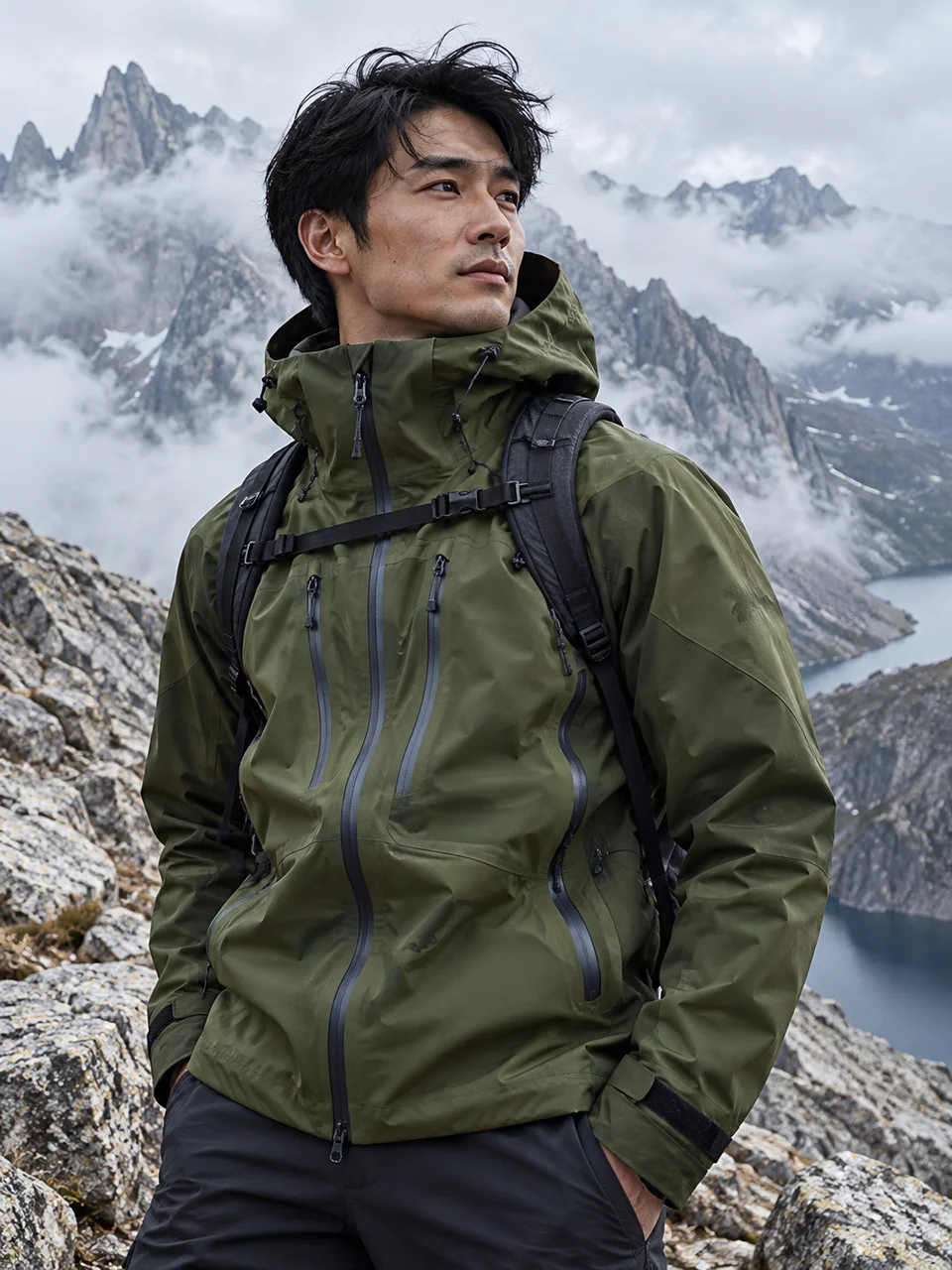 Technical Outerwear
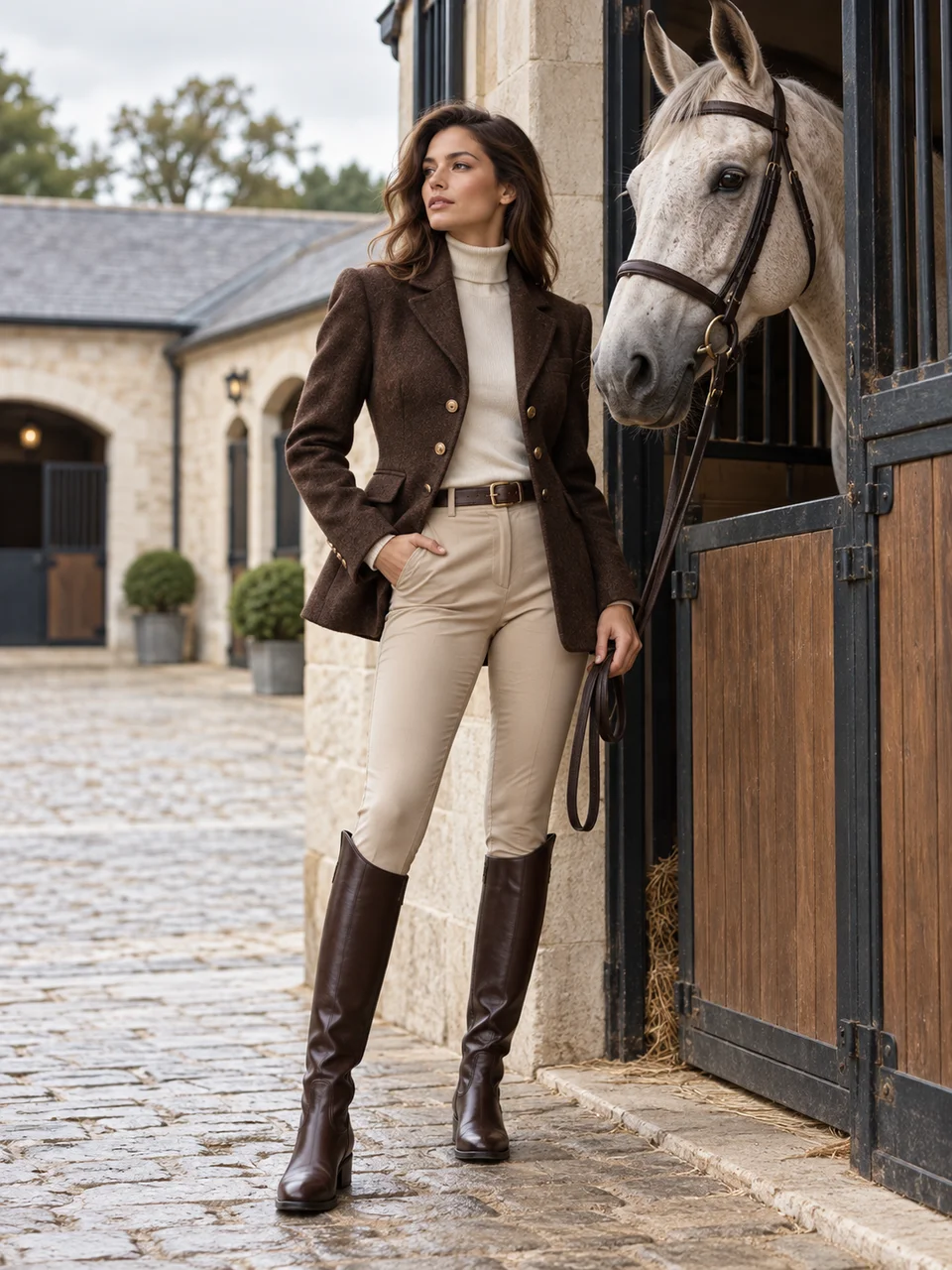 Modern Equestrian
Bring it to life
Effects that turn a still in this look into a short video.
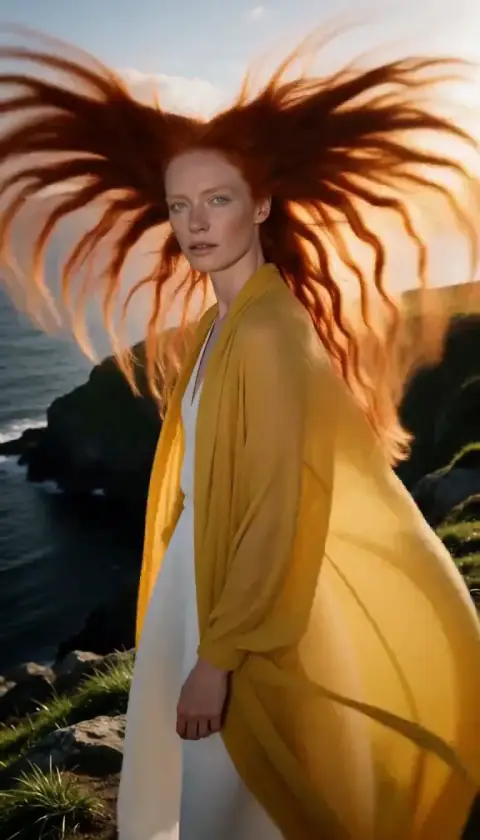 Hair in the Wind
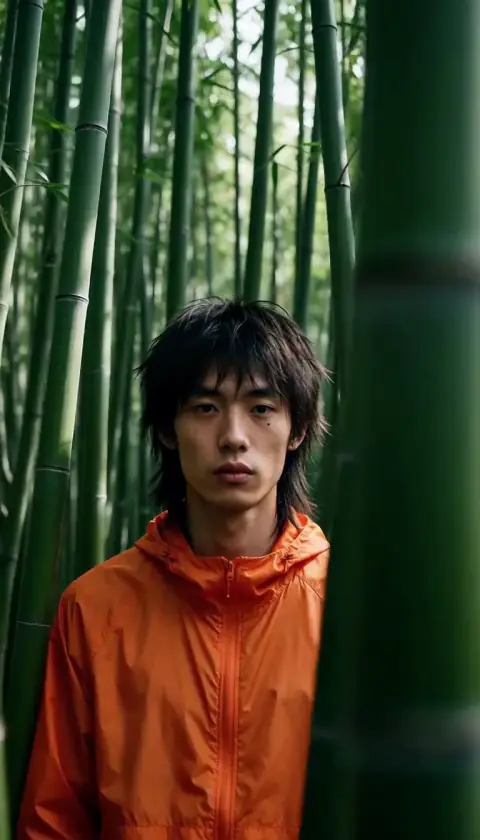 Slider Parallax