


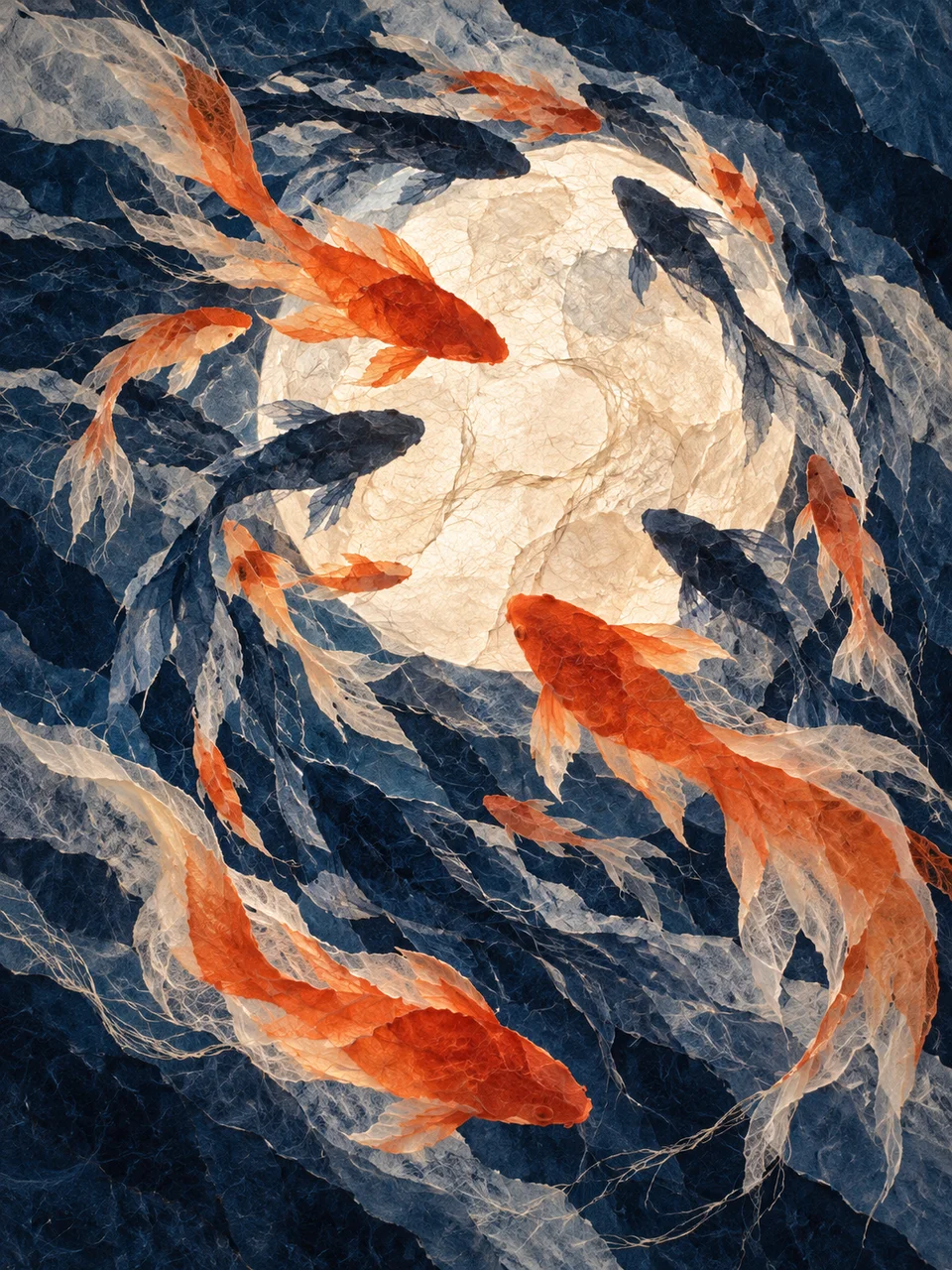
Washi Paper AI Art Generator: Washi Fiber
Backlit paper layers reveal long translucent fibers.
- From a description only
- Best shape: 3:4 · 4:5 · 1:1
Works on
- Seedream 5.0 Pro
- Qwen Image 3.0
- Nano Banana 2.1
- Seedream 5.0 Flash
About Washi Fiber
Washi Fiber makes the image from overlapping handmade paper. Long kozo fibers remain visible within thin sheets, and torn edges create soft but physical boundaries. Washi is a Japanese paper tradition; this interpretation emphasizes layered construction and transmitted light. Warm white, indigo, and persimmon areas become more opaque where sheets overlap. Backlighting reveals differences in density, so the image feels assembled from paper you could lift rather than painted with diluted color.
A written description gives you the shapes to assemble. A crane above reeds, overlapping mountain ridges, a branch of persimmons, or a sail crossing a broad bay offers a useful mix of fine edges and open color fields. Describe which forms overlap and where light should pass through a single sheet. Sparse scenes let the fibers remain part of the picture instead of disappearing behind a busy arrangement of small motifs.
Try “indigo mountain ridges made from torn washi layers with warm white sky” or “a persimmon branch assembled from translucent paper with visible long fibers.” Another line is “a pale crane above reeds on a backlit handmade paper panel.” Layer count changes the light: one sheet looks delicate and luminous, while several overlapping pieces create deeper color and firmer silhouettes that can anchor an otherwise airy composition.
Tips
- Leave some single-sheet areas exposed so the backlight can reveal long fibers.
- Use overlaps to deepen color instead of asking for painted shading across the paper.
- Request torn contours on broad shapes where the paper edge will be easy to see.
- Keep indigo areas separated by warm white space to avoid a uniformly dark panel.
- A close view suits the fiber detail; a simple silhouette helps it read at that scale.
What the style adds
Your words go where it says “your subject”. Everything else is added for you.
your subject. Assemble translucent handmade washi layers with long kozo fibers, torn contours and overlapping color fields. Backlighting makes thin areas luminous while dense overlaps stay opaque. Restrained indigo, persimmon and warm white; show an actual paper construction rather than watercolor.
Models and price
- Seedream 5.0 Pro36 credits
- Qwen Image 3.030 credits
- Nano Banana 2.148 credits
- Seedream 5.0 Flash29 credits
One 1K image from a description. The button always shows the exact price before you spend anything.
How to use Washi Fiber
- Describe itWrite who or what should be in the picture. A small action and a clear place work best.
- Pick a shapeKeep the suggested ratio and model, or change them in the bar at the bottom.
- Paint itPress “Paint it”. The price is on the button before you spend anything.
Questions about Washi Fiber
Can I use Washi Fiber on my own photo?
Not yet. This style works from a description: write what you want to see and the style adds the look.
How much does one Washi Fiber image cost?
29 credits for one 1K image on Seedream 5.0 Flash. 2K costs more, and the button shows the exact price before you run it.
Will this look like watercolor?
The colors can feel soft, but the defining evidence is physical paper: torn edges, long fibers, and overlapping sheets with different opacity. Describe those elements when you want the construction to remain visible.
What separates it from Paper Pulp Relief?
Washi Fiber uses thin, translucent layers and light passing through them. Paper Pulp Relief forms thicker, shallow molded shapes whose depth is revealed mainly by side shadows across a soft fibrous surface.
Can I use very dark colors?
A few dark indigo shapes work well, especially against warm white paper. Large dense areas transmit less light and can hide the fibers, so balance them with thin, pale regions that preserve the layered-paper character.
Similar styles
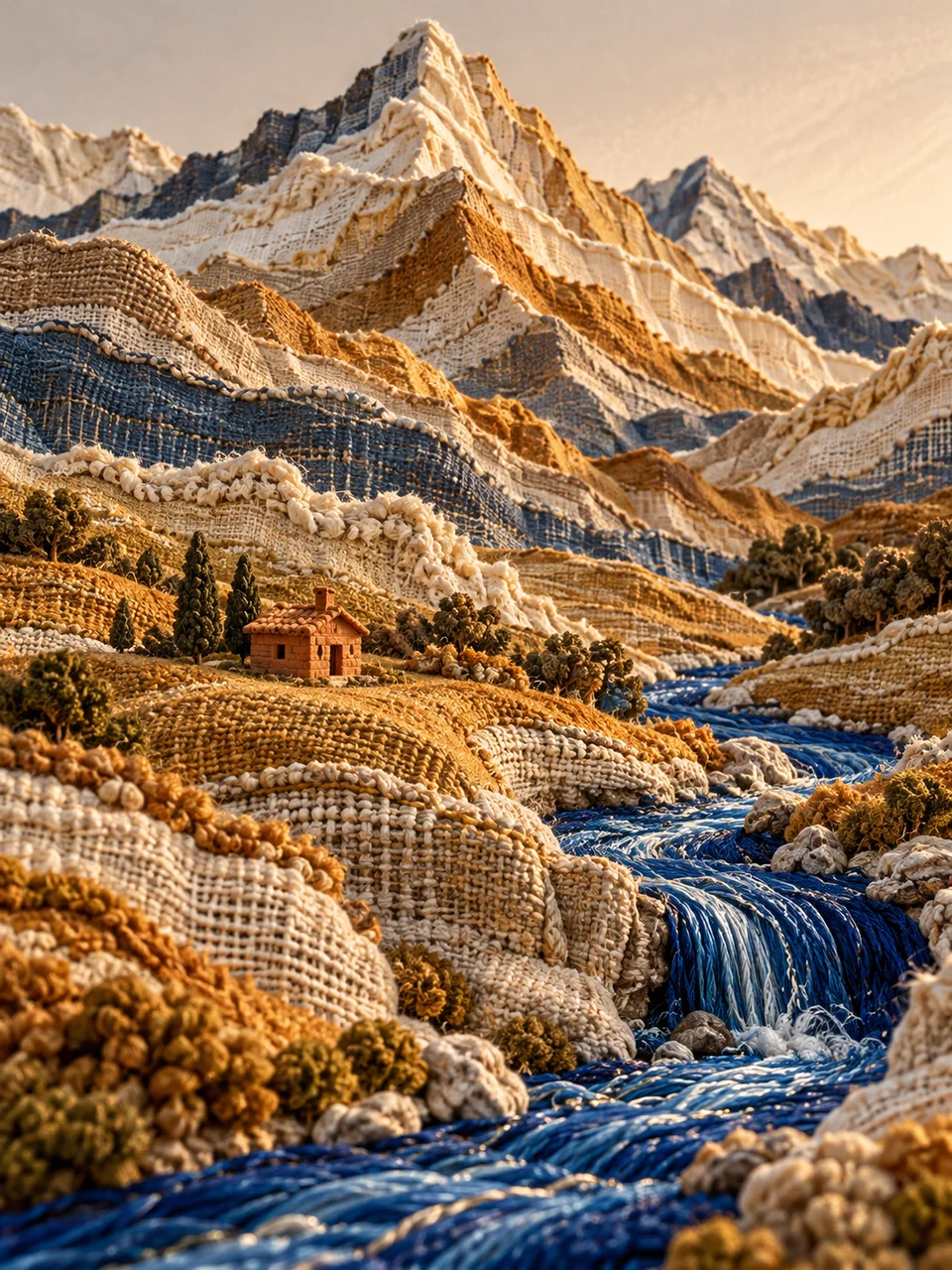 Woven Topography
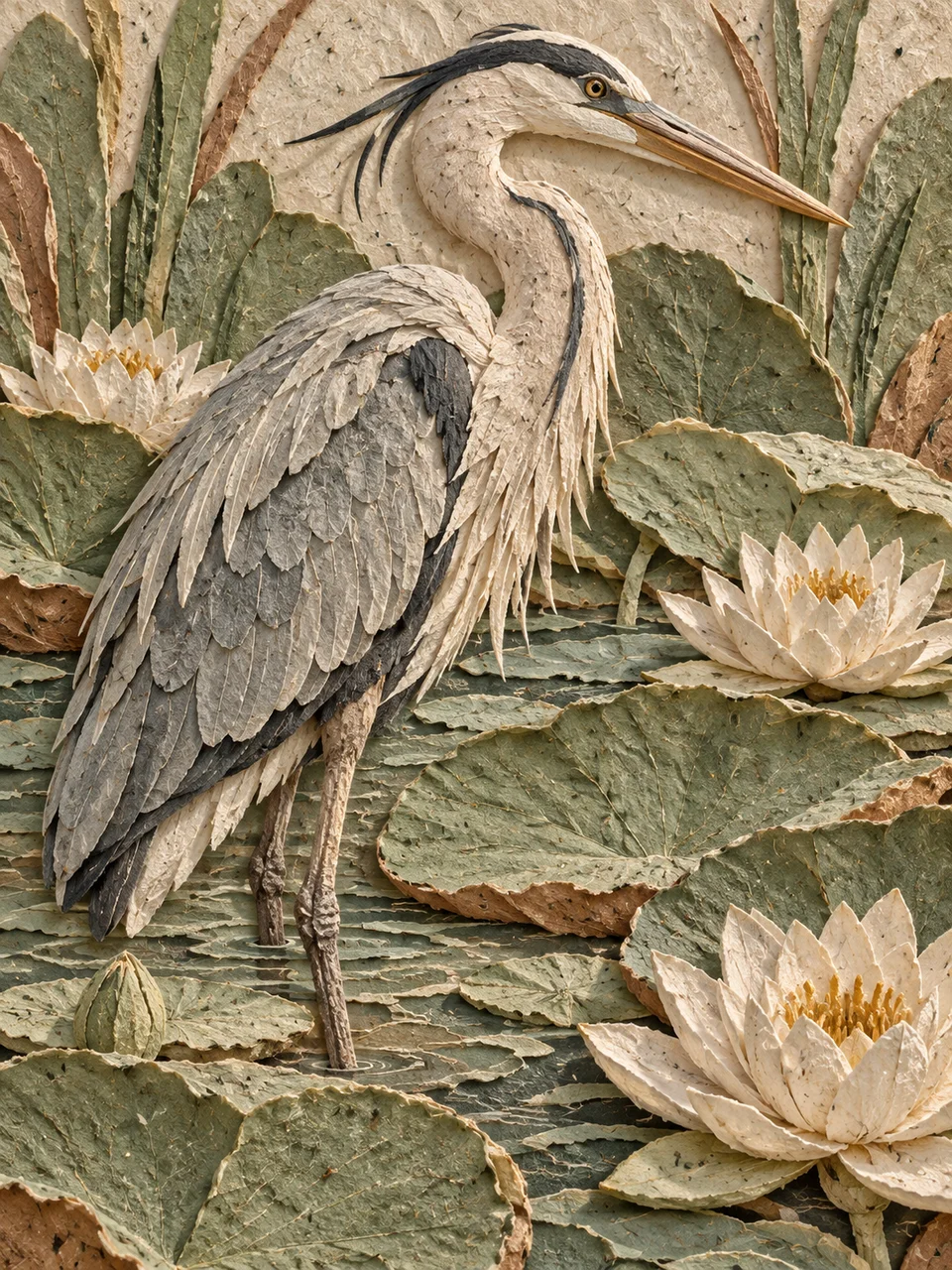 Paper Pulp Relief
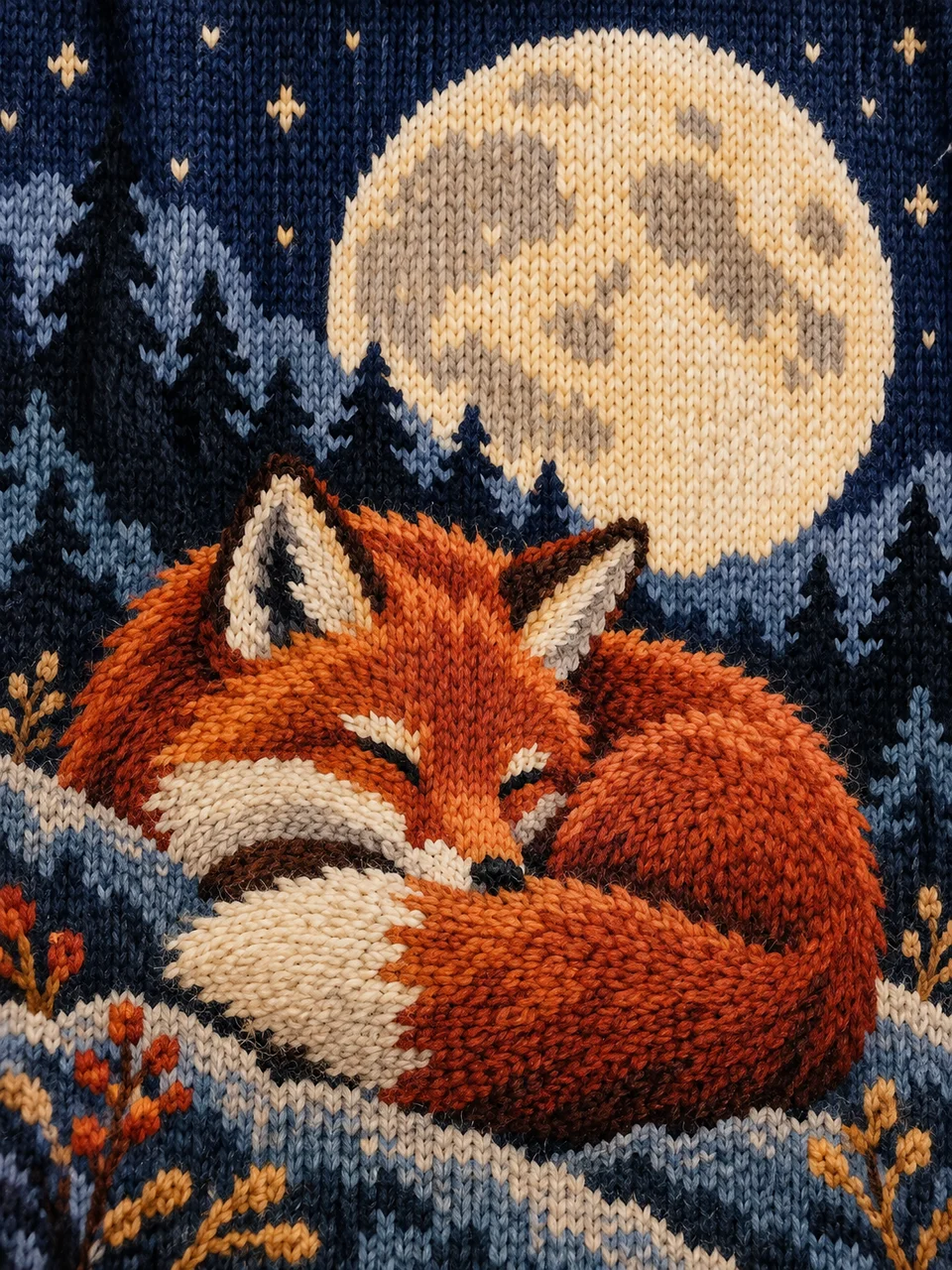 Intarsia Knit
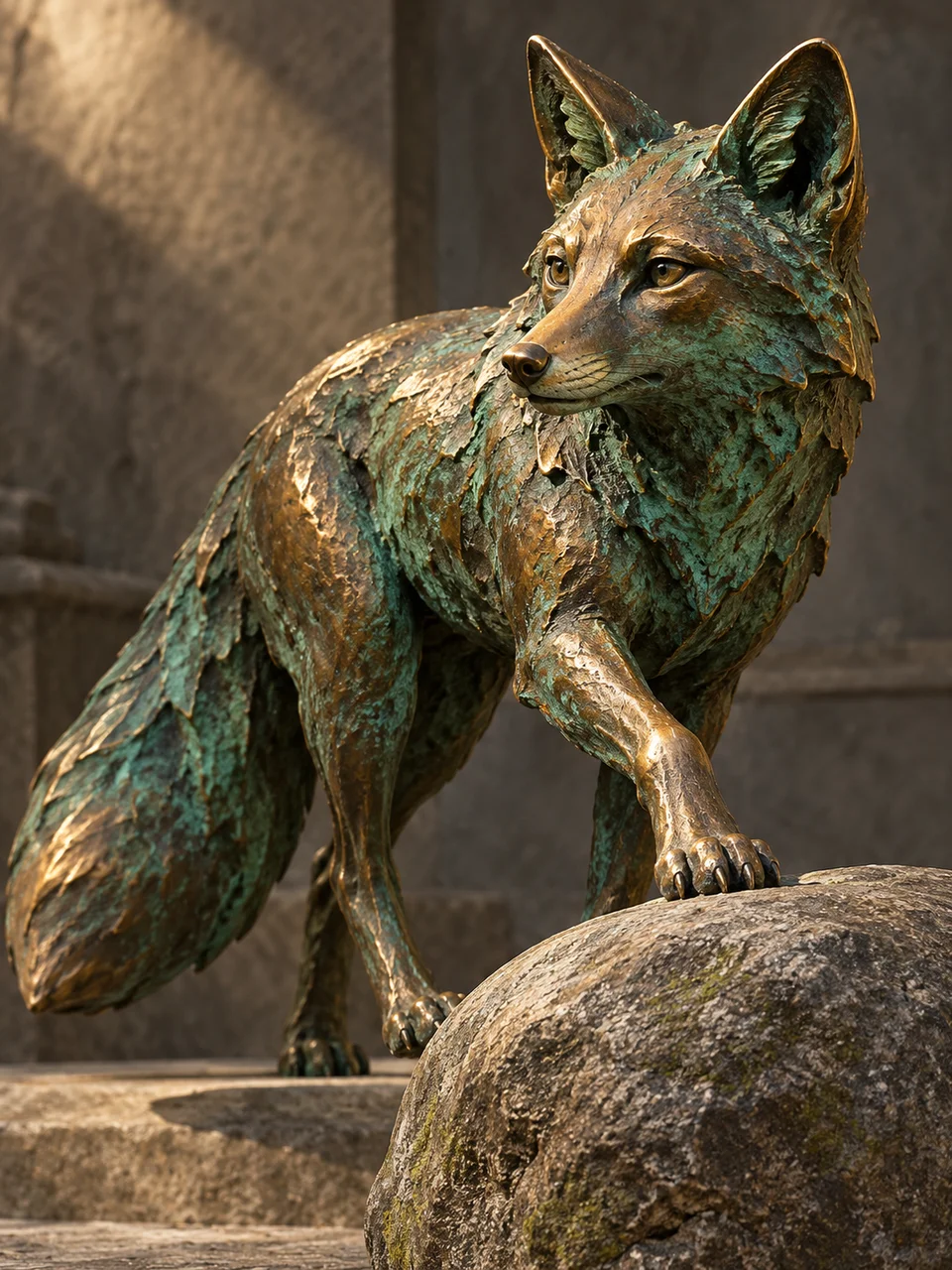 Verdigris Bronze
Bring it to life
Effects that turn a still in this look into a short video.
 Slider Parallax
 Golden Hour