
Monotype AI Print Generator: Monotype Ghost
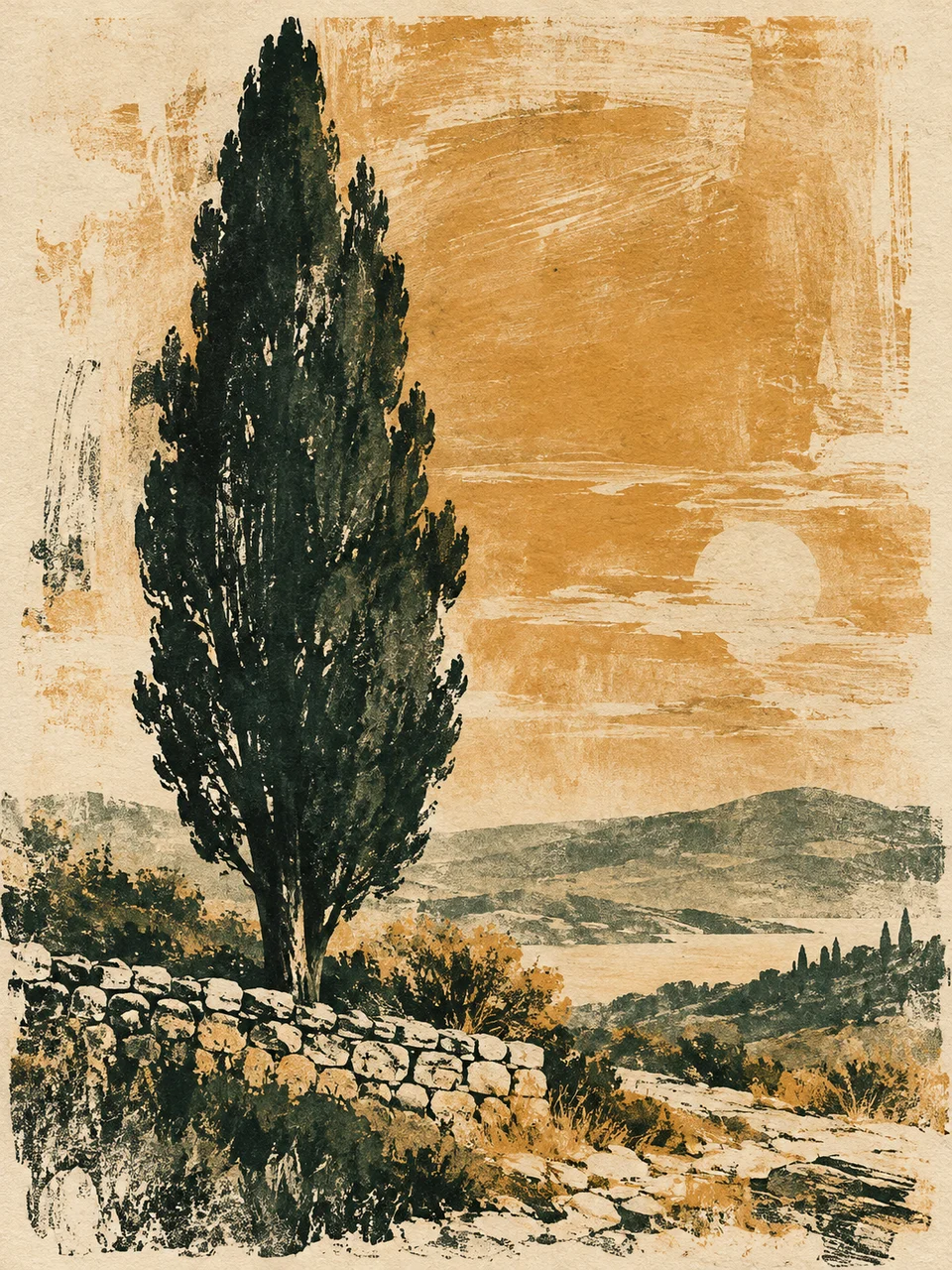
A single pulled impression leaves expressive ink traces.
- From a description only
- Best shape: 3:4 · 4:5 · 1:1
Works on
- Seedream 5.0 Pro
- Qwen Image 3.0
- Nano Banana 2.1
- Seedream 5.0 Flash
About Monotype Ghost
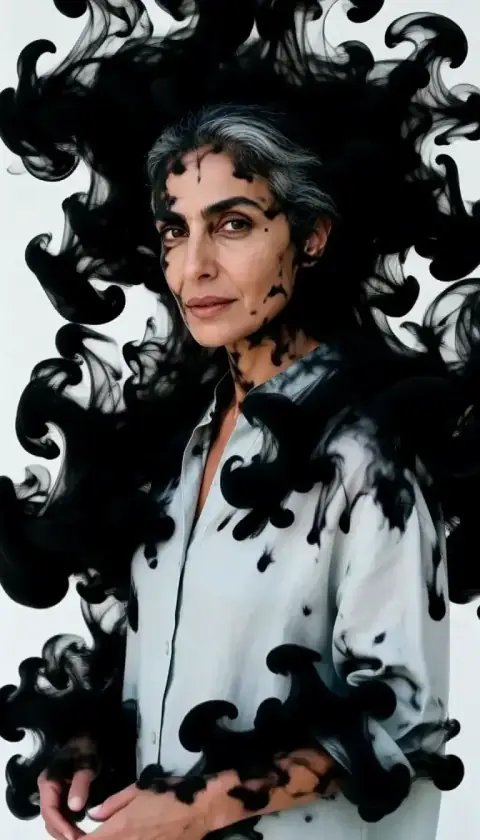
Monotype Ghost has the uneven presence of ink transferred from a smooth plate to paper. Monotype printmaking allows ink to be rolled, brushed, and wiped before an impression is pulled; a subsequent pull can leave a lighter ghost of what remains. Here, broad dark passages meet pale wiped areas and stray residual traces. Warm paper and two restrained colors hold the image together, with irregular edges suggesting contact and pressure rather than a repeated pattern.
A harbor crane reflected in water, a figure beside a tall window, bare branches over a low wall, and a bowl under a single lamp all offer useful dark masses. Describe which object should anchor the print and where the light cuts through it. You build the scene from a written description. Sparse arrangements help the faint marks stay legible, while closely packed objects can turn the plate-like darkness into an indistinct block.
Start with “a lone harbor crane above still water, pale sky beyond”, “a seated figure beside a tall window with one bright curtain”, or “a shallow bowl under a lamp on an empty table”. These subjects leave room for both solid ink and weaker echoes. A larger window produces a bold wiped highlight; a narrow slit of light leaves more of the composition in ink and makes the atmosphere heavier.
Tips
- Give the print one dominant dark shape, such as a coat, crane boom, or tree trunk, to organize the looser traces around it.
- Describe light as a broad opening or stripe. Wiped highlights read more convincingly than a scattering of tiny sparkling points.
- Pair black or deep blue with one muted secondary color so the warm paper remains an active part of the image.
- Leave an empty margin around the subject if you want the irregular impression edge to be visible against untouched paper.
- Use still water, a window reflection, or an offset shadow to give the ghosted marks a relationship to the main subject.
What the style adds
Your words go where it says “your subject”. Everything else is added for you.
your subject. Make a monotype with broad rolled ink, wiped highlights and a few ghosted marks from the plate. Keep irregular pressure and one-off edge character on warm paper. Emphasize a clear composition and restrained two-color palette without repeated stamping, text or simulated photocopy grime.
Models and price
- Seedream 5.0 Pro36 credits
- Qwen Image 3.030 credits
- Nano Banana 2.148 credits
- Seedream 5.0 Flash29 credits
One 1K image from a description. The button always shows the exact price before you spend anything.
How to use Monotype Ghost
- Describe itWrite who or what should be in the picture. A small action and a clear place work best.
- Pick a shapeKeep the suggested ratio and model, or change them in the bar at the bottom.
- Paint itPress “Paint it”. The price is on the button before you spend anything.
Questions about Monotype Ghost
Can I use Monotype Ghost on my own photo?
Not yet. This style works from a description: write what you want to see and the style adds the look.
How much does one Monotype Ghost image cost?
29 credits for one 1K image on Seedream 5.0 Flash. 2K costs more, and the button shows the exact price before you run it.
Does ghost mean there will be a supernatural figure?
Here, ghost refers to a faint residual impression in printmaking. Expect weaker ink traces and partial echoes around stronger forms. If you want an ordinary room or landscape, describe it directly; a mysterious character is unnecessary.
How does this differ from Reduction Linocut?
Reduction Linocut builds an image from carved shapes and successive color layers. Monotype Ghost feels more wiped and rolled, with soft interruptions, inconsistent pressure, and less repeatable edges. It suits a looser, quieter image with atmospheric gaps.
Are tiny facial features a good fit?
Small eyes, fine hair, and subtle expressions can disappear into the ink. For a figure, make posture and the light around the head do more of the storytelling. A large profile is easier to read than a distant face.
Similar styles
 Paper collage
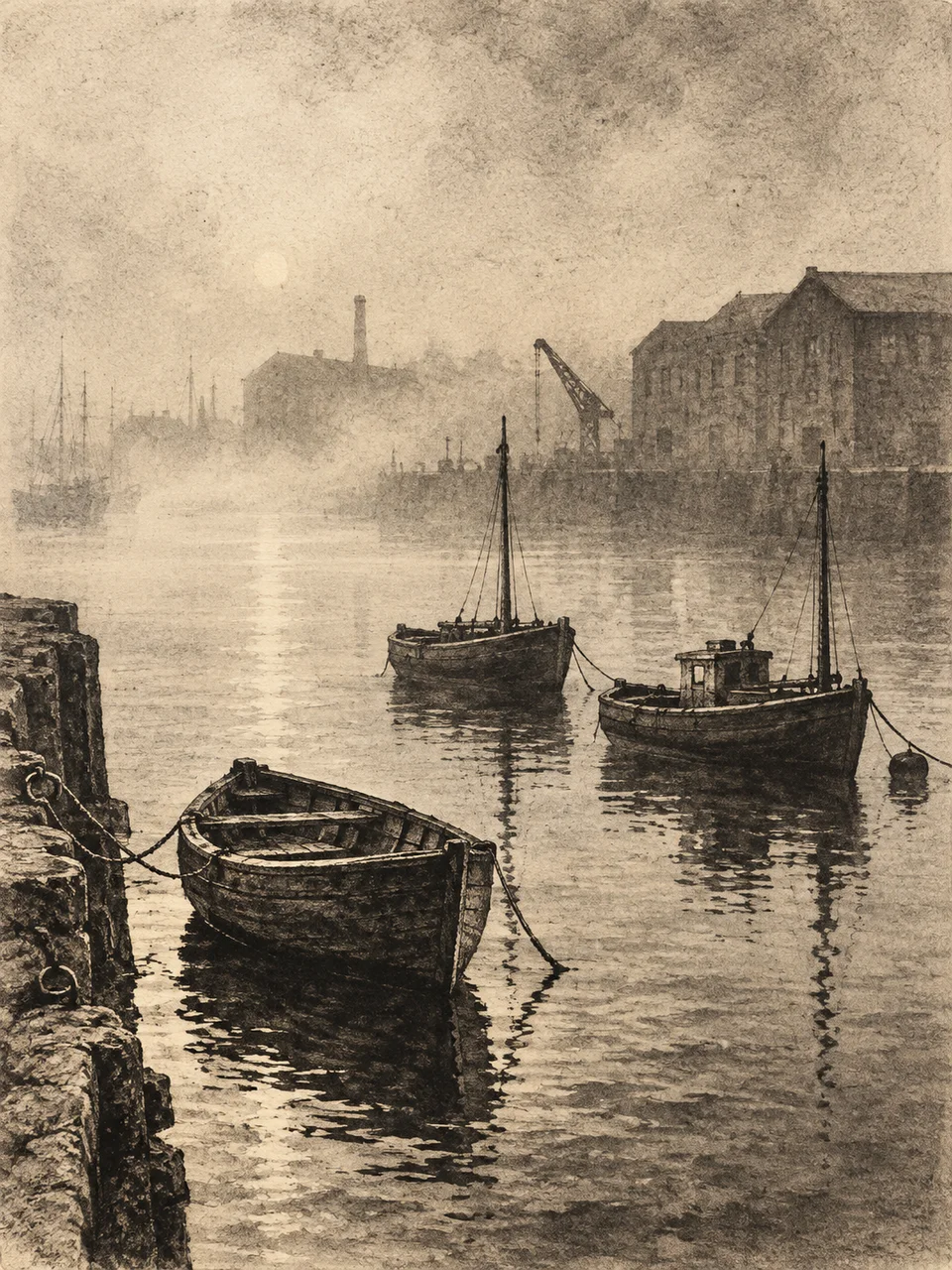 Aquatint Atmosphere
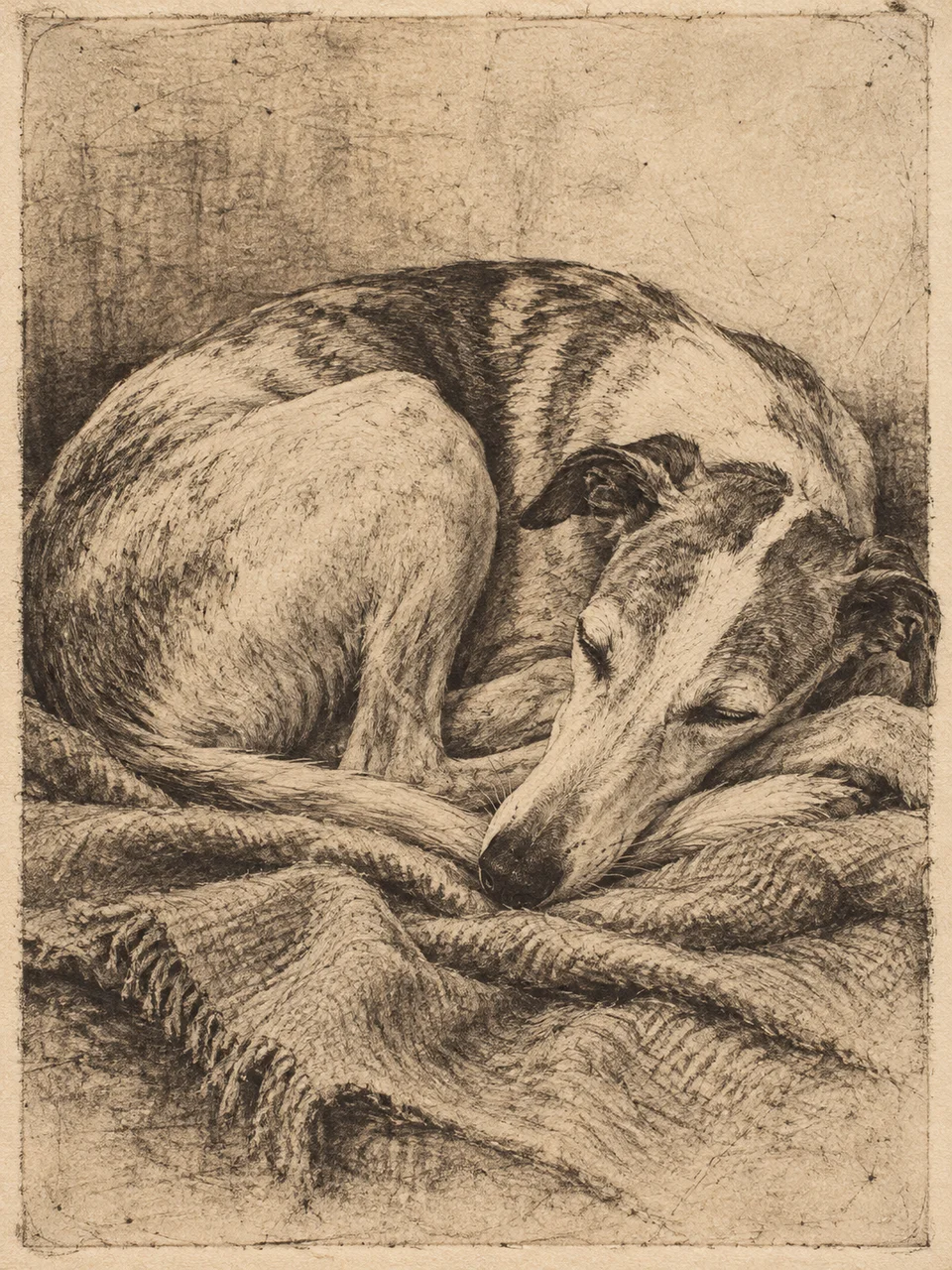 Drypoint Burr
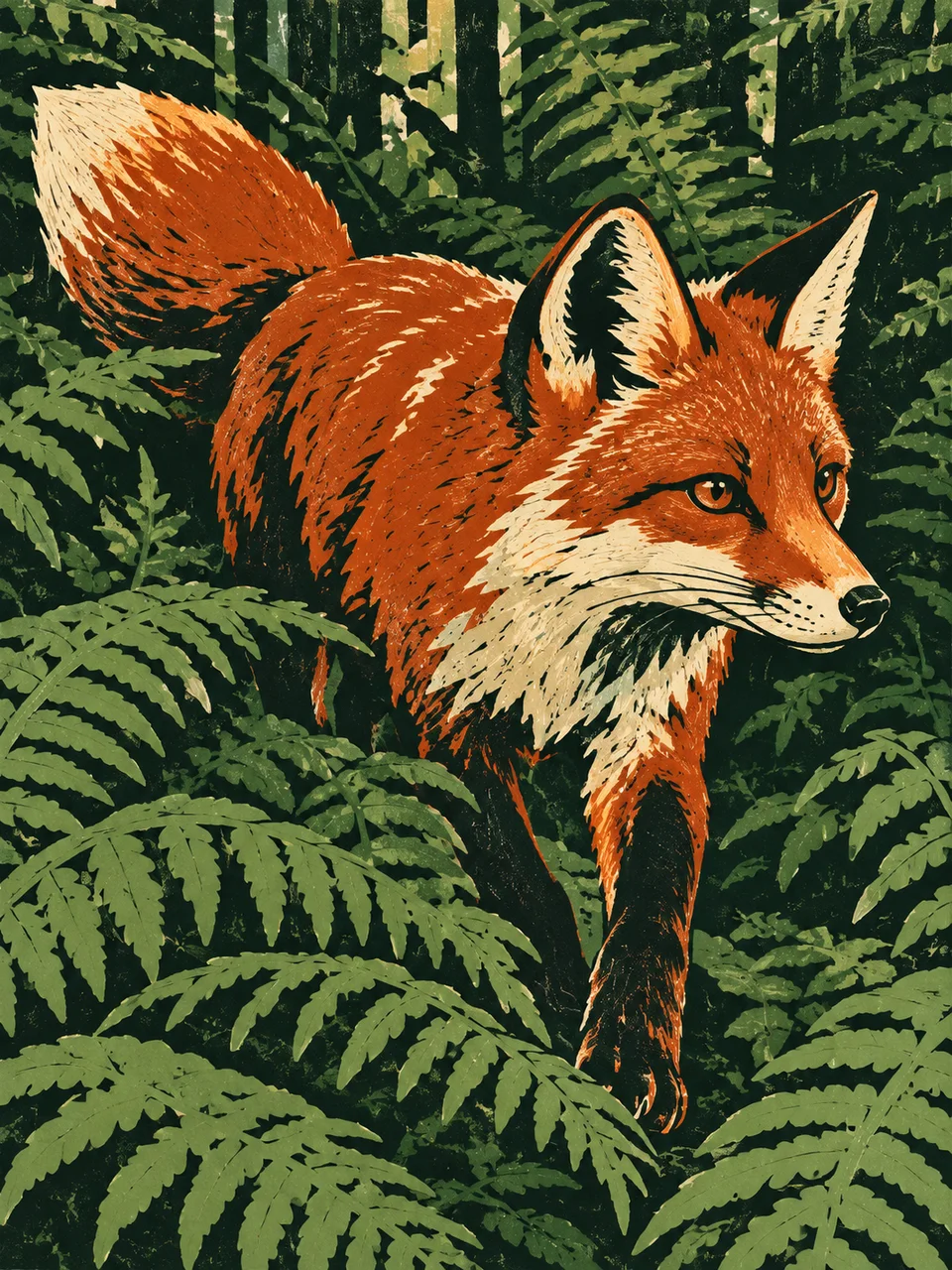 Reduction Linocut
Bring it to life
Effects that turn a still in this look into a short video.
 Fog Roll
 Ink Bleed