


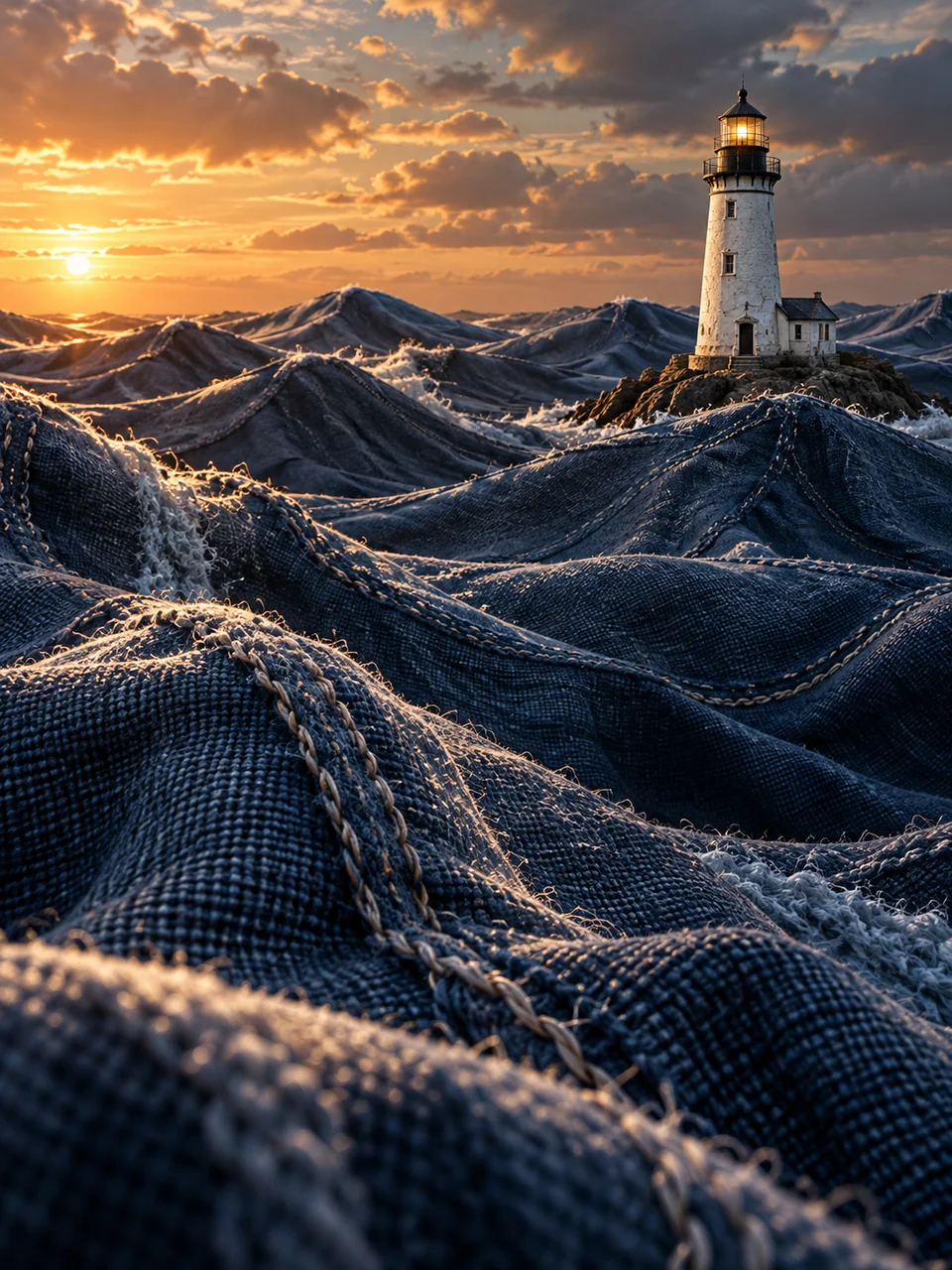
Textile Sea AI Art Generator: Fabric Ocean
Woven cloth becomes waves at landscape scale.
- From a description only
- Best shape: 3:4 · 4:5 · 1:1
Works on
- Seedream 5.0 Pro
- Qwen Image 3.0
- Nano Banana 2.1
- Seedream 5.0 Flash
About Fabric Ocean
Fabric Ocean preserves the scale and rhythm of a sea while changing its material to heavy cloth. Near the camera, woven fibers and seams reveal the construction; farther away, folds become long wave lines. The reference combines textile sculpture with landscape photography. Low sunlight makes troughs dark and crests bright, giving substantial fabric the depth of moving water. One realistic landmark establishes size so the scene reads as an ocean made from cloth rather than a crumpled blanket.
Describe the landscape in writing and choose a clear scale marker. A lighthouse beside woven swells, a stone harbor wall facing cloth waves, a lone sailboat on a textile sea, or a cliff above a folded bay can work. Mention the heavy weave in the foreground and the wave spacing farther out. That shift from visible threads to broad folds lets the material remain tactile while the overall scene still feels expansive.
Try “an ocean of heavy blue woven fabric beside a small stone lighthouse” or “a stone harbor wall facing broad cloth waves with seams visible nearby.” Another line is “a lone sailboat among deep folded textile swells in low sunlight.” Fabric weight changes the sea: heavier cloth makes slower, deeper folds and pronounced trough shadows. A lighter weave gives finer ripples, but needs visible fibers near the camera to retain its material identity.
Tips
- Include visible weave and at least one seam in the foreground to establish the cloth.
- Use one realistic lighthouse, boat, or harbor edge to explain the ocean’s scale.
- Describe long folds that grow smaller toward the horizon.
- Low side light strengthens the contrast between heavy crests and deep troughs.
- Keep fabric surfaces textured; smooth featureless waves can lose the textile construction.
What the style adds
Your words go where it says “your subject”. Everything else is added for you.
your subject. Shape an ocean from heavy woven fabric, preserving wave scale while exposing folds, seams and directional fibers near camera. Low sunlight creates deep trough shadows. One realistic landmark establishes size; avoid smooth liquid simulation or featureless silk gradients.
Models and price
- Seedream 5.0 Pro36 credits
- Qwen Image 3.030 credits
- Nano Banana 2.148 credits
- Seedream 5.0 Flash29 credits
One 1K image from a description. The button always shows the exact price before you spend anything.
How to use Fabric Ocean
- Describe itWrite who or what should be in the picture. A small action and a clear place work best.
- Pick a shapeKeep the suggested ratio and model, or change them in the bar at the bottom.
- Paint itPress “Paint it”. The price is on the button before you spend anything.
Questions about Fabric Ocean
Can I use Fabric Ocean on my own photo?
Not yet. This style works from a description: write what you want to see and the style adds the look.
How much does one Fabric Ocean image cost?
29 credits for one 1K image on Seedream 5.0 Flash. 2K costs more, and the button shows the exact price before you run it.
Will it look like silk?
This style favors heavy woven fabric with visible fibers and substantial folds. If the result becomes too smooth, describe a coarse weave, stitched seams, and weighty wave troughs to restore a tactile textile surface.
How is it different from Ocean Ceiling?
Fabric Ocean changes a sea’s material into woven cloth within a landscape. Ocean Ceiling keeps water recognizable but moves it overhead inside a room, emphasizing wave undersides and aquatic light on the walls.
Can there be a person on the shore?
A small figure can help establish scale, especially beside a harbor wall or lighthouse. Keep the person secondary and leave the foreground cloth exposed so the unusual ocean material remains easy to recognize.
Similar styles
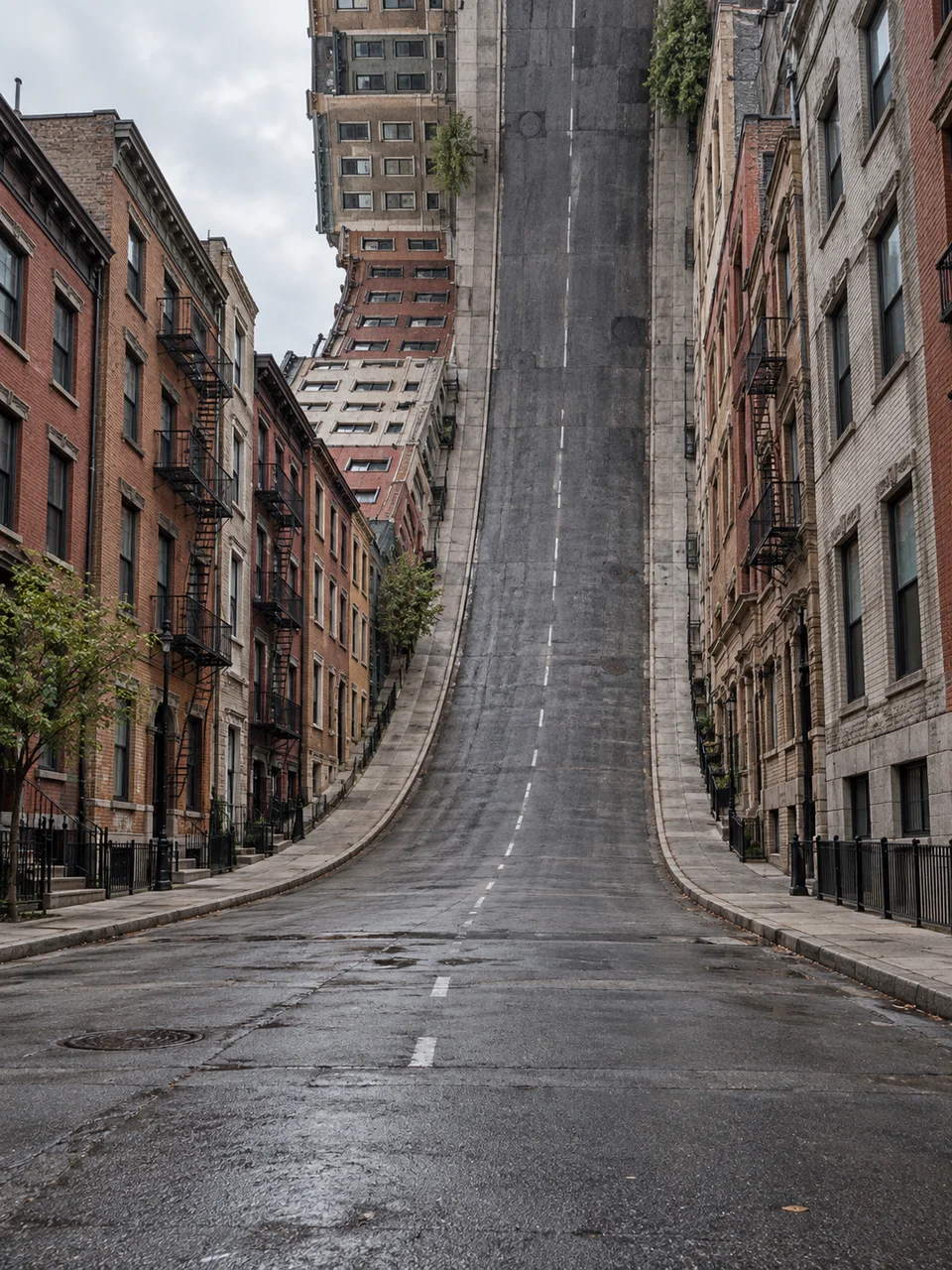 Folded City
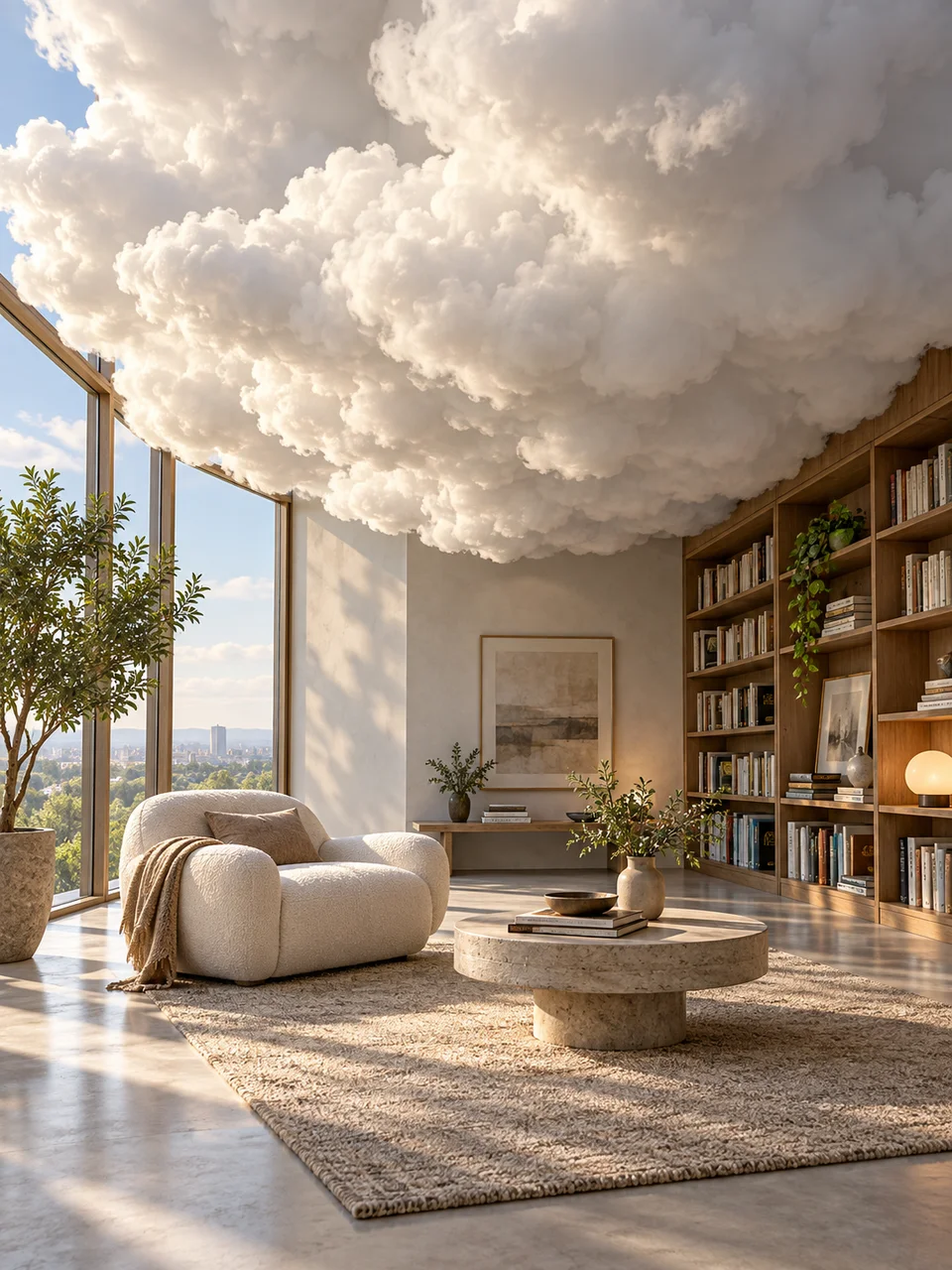 Cloud Interior
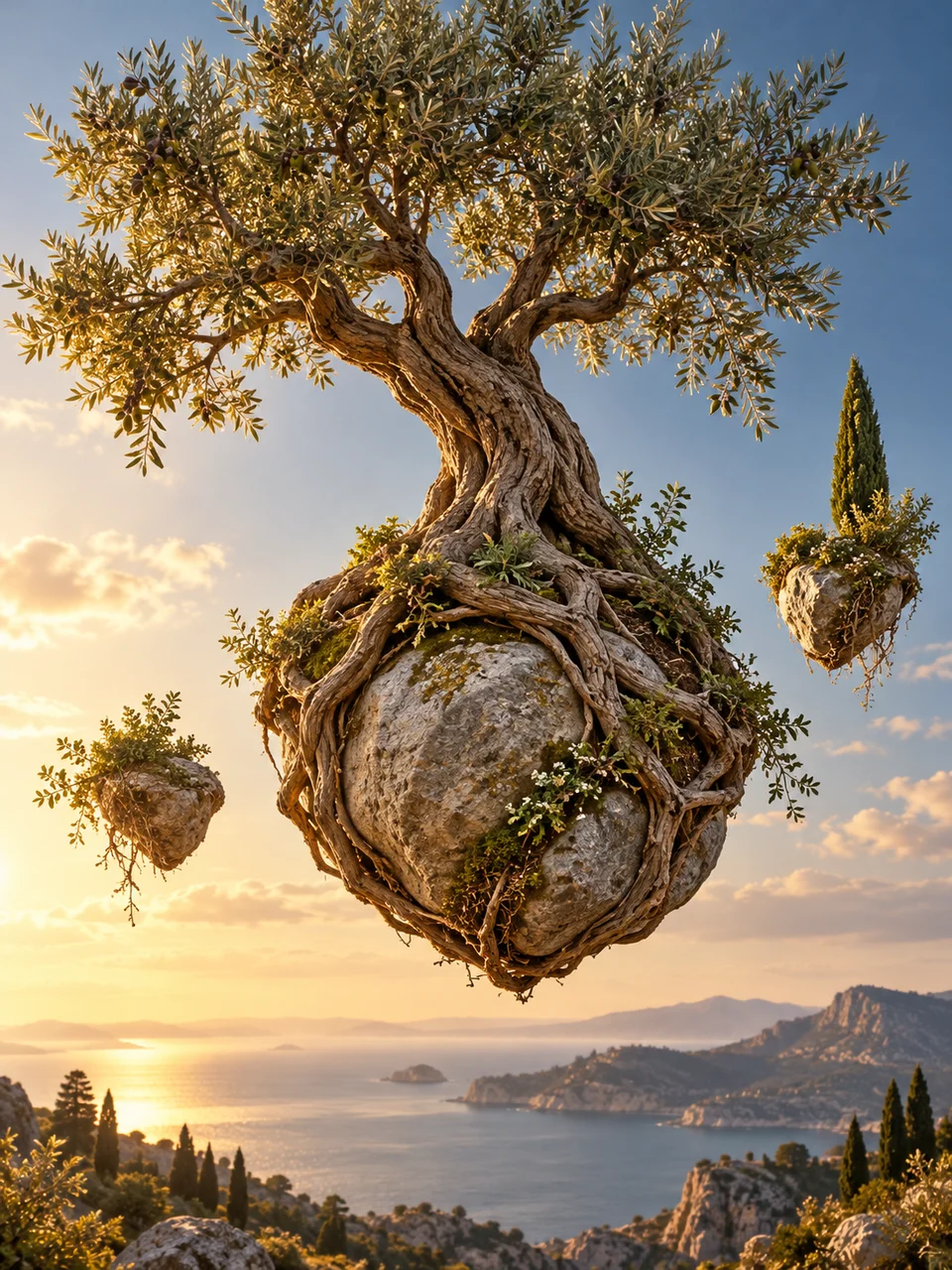 Gravity Garden
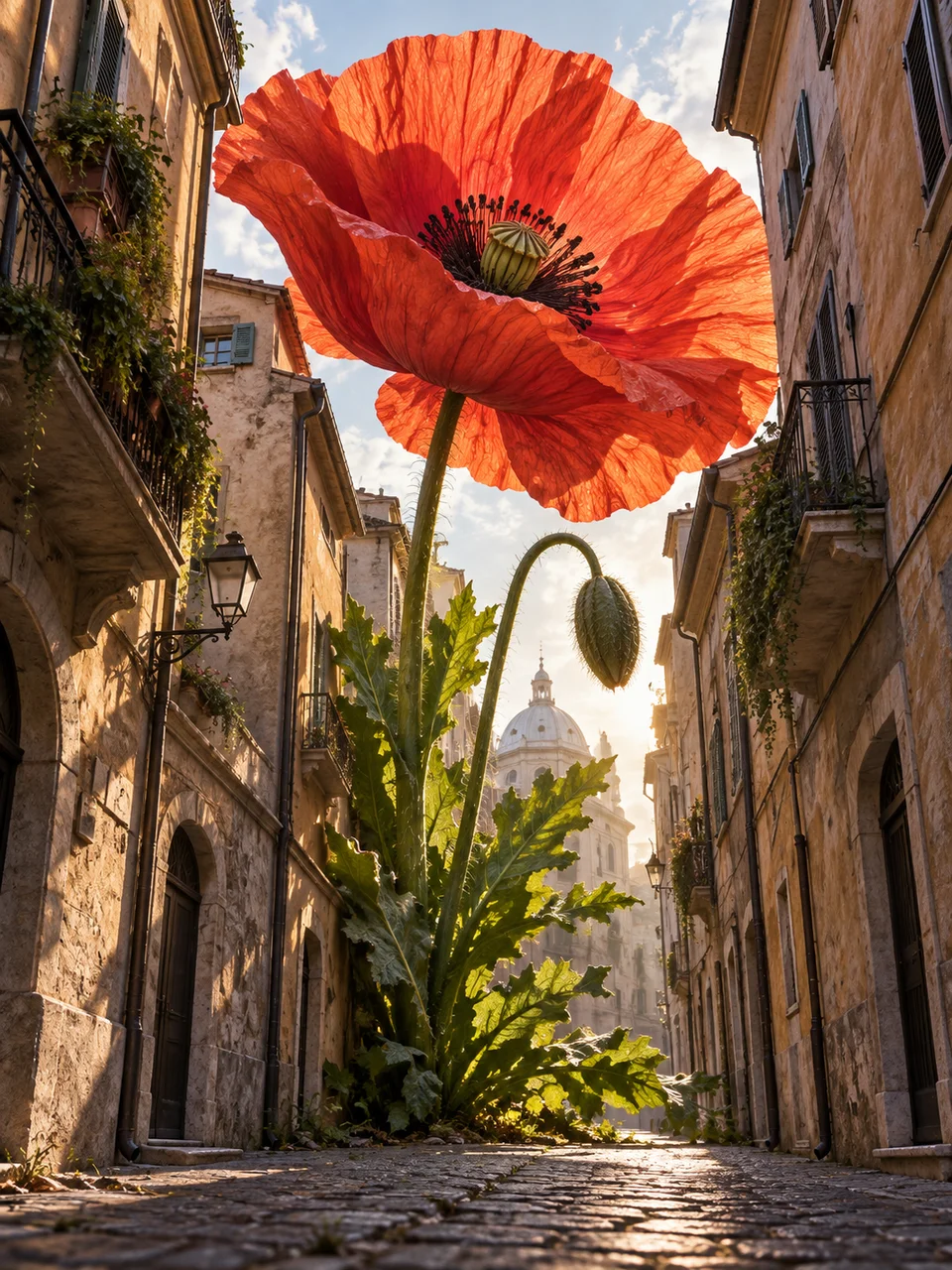 Giant Botanical
Bring it to life
Effects that turn a still in this look into a short video.
 Slider Parallax
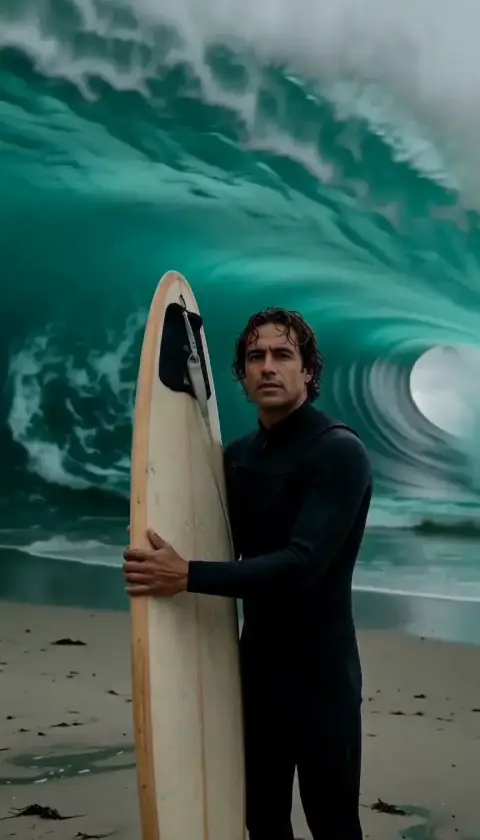 Wave Wall