

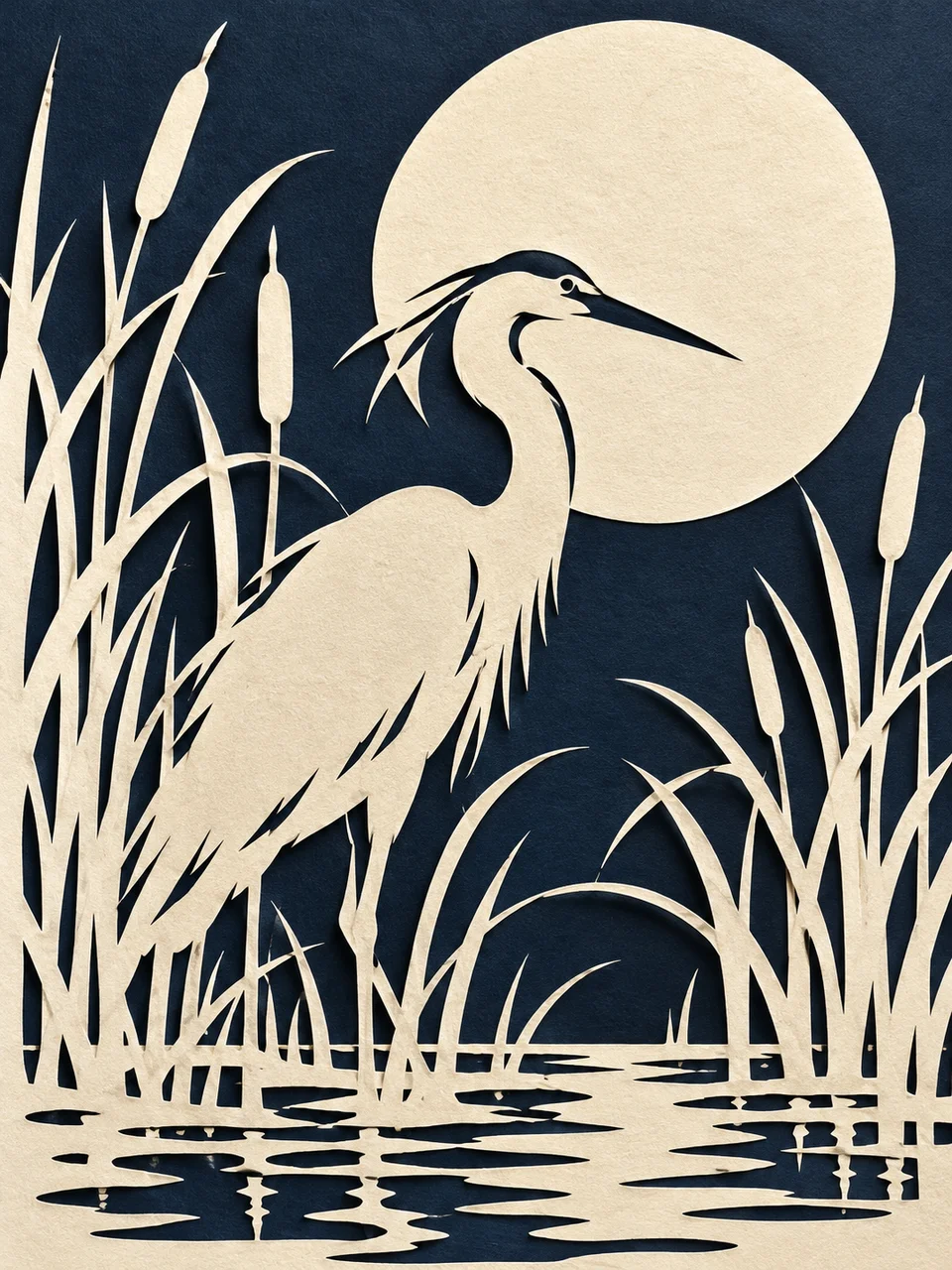
Papercutting AI Art Generator: Cut Paper Silhouette
One continuous cut line carries the entire image.
- From a description only
- Best shape: 3:4 · 4:5 · 1:1
Works on
- Seedream 5.0 Pro
- Qwen Image 3.0
- Nano Banana 2.1
- Seedream 5.0 Flash
About Cut Paper Silhouette
Cut Paper Silhouette treats the subject as a shape that could be lifted from a single sheet. It draws on decorative papercutting, where intact bridges keep fine branches, figures, and borders connected. Two matte papers provide the contrast, and a shallow shadow reveals the small distance between them. Interior detail comes from deliberate openings, while slightly handmade blade edges keep the result from feeling like a perfectly smooth digital icon or a stack of layered scenery.
Look for subjects whose outlines tell the story: an owl among connected oak branches, a cyclist framed by a bridge arch, a teapot surrounded by curling stems, or two foxes beneath an apple tree. Describe how delicate parts join larger shapes. This style constructs its cut-paper image from a written description. A leaf touching a branch or a wheel touching the ground reads as part of a plausible cut, especially in an otherwise open composition.
Paste “an owl nestled in oak branches connected to an oval border”, “a cyclist beneath a bridge arch, wheels meeting the ground”, or “two foxes under an apple tree with interlocking branches”. Each builds attachment points into the scene. Dark paper on cream makes small openings read sharply; cream paper on deep blue brings a softer, evening mood. Leave enough space around the silhouette for its shallow cast shadow to remain visible.
Tips
- Connect thin stems, whisker-like details, and dangling ornaments to a thicker form so the silhouette suggests an intact sheet of paper.
- Use a side view for animals with distinctive profiles. A beak, curled tail, or pointed ear often communicates more than tiny interior cuts.
- Limit the composition to two contrasting paper colors; additional layers can weaken the single-cut character of the image.
- Ask for larger openings between limbs and branches if the image will be displayed small. Narrow slits can close visually at thumbnail size.
- Add an enclosing oval or simple ground line when separate elements need a convincing structural connection.
What the style adds
Your words go where it says “your subject”. Everything else is added for you.
your subject. Reduce the scene to a continuous cut-paper silhouette with deliberate bridges, fine negative spaces and clean but handmade blade edges. Use two contrasting matte papers and a shallow real shadow between them. Keep delicate elements structurally connected, without layered collage clutter or drawn interior shading.
Models and price
- Seedream 5.0 Pro36 credits
- Qwen Image 3.030 credits
- Nano Banana 2.148 credits
- Seedream 5.0 Flash29 credits
One 1K image from a description. The button always shows the exact price before you spend anything.
How to use Cut Paper Silhouette
- Describe itWrite who or what should be in the picture. A small action and a clear place work best.
- Pick a shapeKeep the suggested ratio and model, or change them in the bar at the bottom.
- Paint itPress “Paint it”. The price is on the button before you spend anything.
Questions about Cut Paper Silhouette
Can I use Cut Paper Silhouette on my own photo?
Not yet. This style works from a description: write what you want to see and the style adds the look.
How much does one Cut Paper Silhouette image cost?
29 credits for one 1K image on Seedream 5.0 Flash. 2K costs more, and the button shows the exact price before you run it.
Is the result ready for a cutting machine?
Treat it as a visual design concept. The image may contain fragile bridges, disconnected pieces, or uneven openings. Trace the shapes into a suitable drawing format and check every connection before using the design for a physical cut.
How is this different from Paper collage?
Paper collage combines separate pieces, often with overlapping colors and textures. Cut Paper Silhouette aims for one connected shape against a second sheet. Its detail depends on outline and open spaces, with only a shallow shadow between the papers.
Can a portrait still be recognizable?
A distinctive profile, hairstyle, glasses, or hat can help a silhouette read as a particular kind of person. Fine facial shading has no role here. Describe the head angle and external features, and expect a graphic interpretation rather than exact likeness.
Similar styles
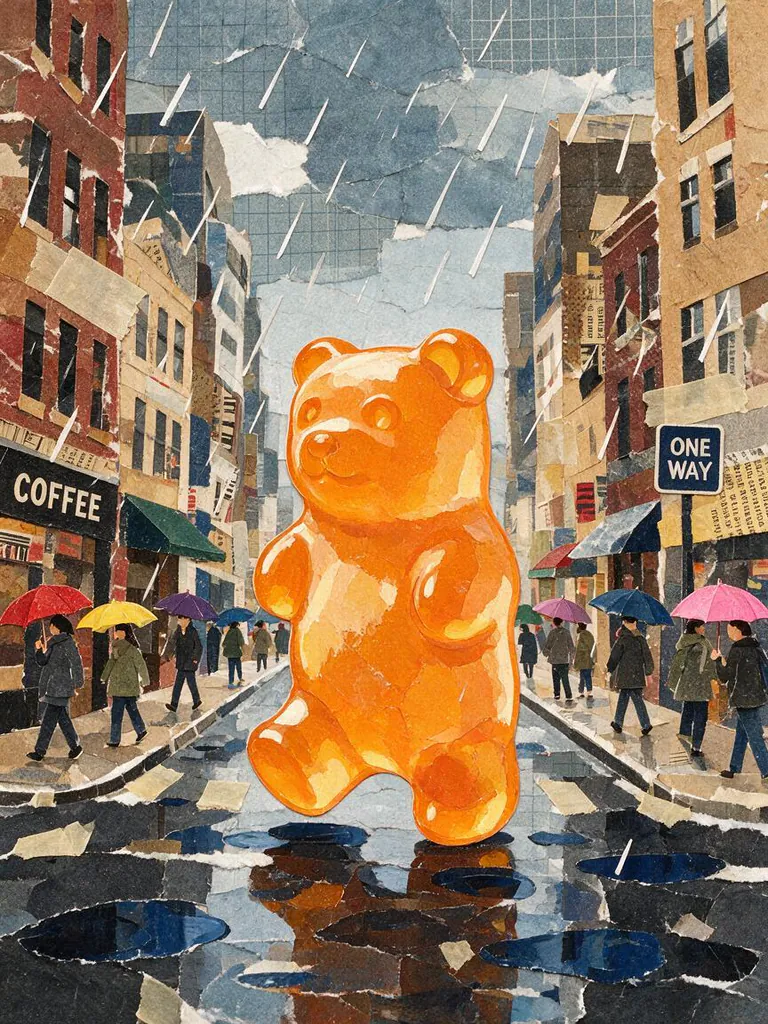 Paper collage
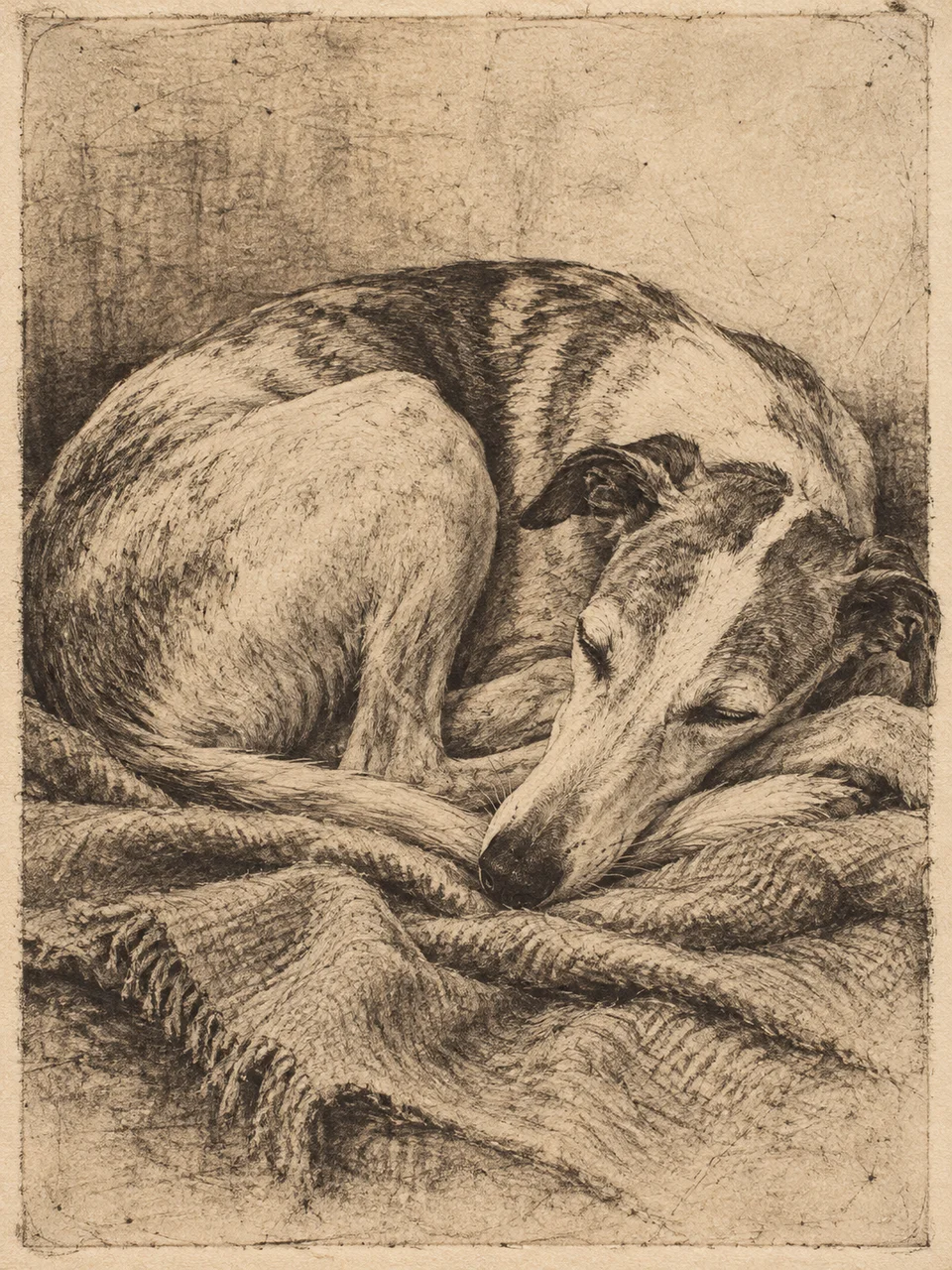 Drypoint Burr
 Reduction Linocut
 Chiaroscuro Woodcut
Bring it to life
Effects that turn a still in this look into a short video.
 Pop-Up Book
 Slider Parallax