
Brush Comic AI Art Generator: Brush Ink Manhua
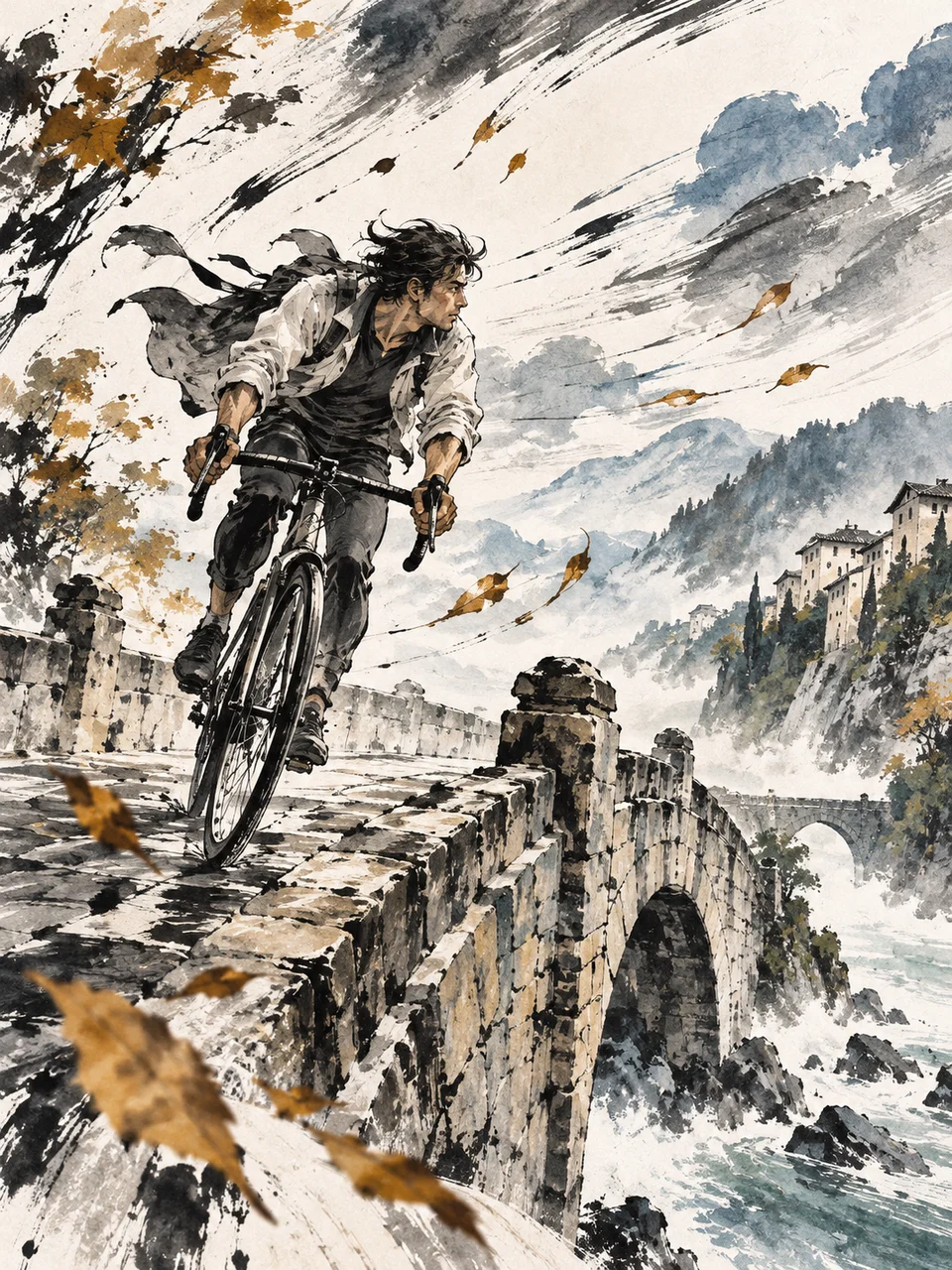
Expressive brush contours and washes create graphic motion.
- From a description only
- Best shape: 3:4 · 4:5 · 1:1
Works on
- Seedream 5.0 Pro
- Qwen Image 3.0
- Nano Banana 2.1
- Seedream 5.0 Flash
About Brush Ink Manhua
Brush Ink Manhua brings the visual storytelling of Chinese comics into a single brush-led illustration. Manhua encompasses many drawing approaches; this version emphasizes ink that thickens under pressure, broken dry brush sweeps, and restrained mineral-color washes. Empty paper separates the important forms, and a few directional marks suggest motion. The composition depends on coherent bodies and readable architecture, so the energy comes from controlled changes in stroke and spacing rather than a field of decorative marks.
A messenger rounding a courtyard corner, a runner crossing a narrow bridge, a cyclist leaning into a turn, or a heron lifting from river stones can all give the brush a strong direction. Describe the path of travel and the point where weight meets the ground. The illustration develops from a written description. Clothing folds, a turning wheel, and a receding wall can reinforce the same movement while open space ahead of the subject gives that movement somewhere to go.
Try “a messenger rounding a courtyard corner with a cloth bag swinging behind”, “a cyclist leaning into a turn beside a low stone wall”, or “a heron lifting from river stones with wings sweeping upward”. These provide a clear arc for the brushwork. A red-brown wash on one sleeve concentrates attention on the moving figure; a cool wash across the distant wall pushes the setting back. Keep the space ahead of the action less crowded than the space behind it.
Tips
- Specify one dominant travel direction, such as left to right across a bridge, so brush accents and body posture reinforce each other.
- Give the figure a visible contact point, like a foot pushing off stone, to keep energetic brushwork grounded in believable anatomy.
- Choose a loose sleeve, swinging bag, or bent reed as a secondary motion cue that follows the main action.
- Use only a few mineral-color areas, allowing black contours and exposed paper to carry most of the scene's structure.
- Describe architecture with a strong corner, arch, or receding wall; these simple spatial cues stop loose strokes from flattening the setting.
What the style adds
Your words go where it says “your subject”. Everything else is added for you.
your subject. Draw an original narrative illustration with pressure-sensitive brush-ink contours, broad dry-brush accents and restrained mineral-color washes. Let negative space and a few directional strokes establish motion. Preserve coherent anatomy and architecture without calligraphy, speech bubbles, cultural costume stereotypes or franchise references.
Models and price
- Seedream 5.0 Pro36 credits
- Qwen Image 3.030 credits
- Nano Banana 2.148 credits
- Seedream 5.0 Flash29 credits
One 1K image from a description. The button always shows the exact price before you spend anything.
How to use Brush Ink Manhua
- Describe itWrite who or what should be in the picture. A small action and a clear place work best.
- Pick a shapeKeep the suggested ratio and model, or change them in the bar at the bottom.
- Paint itPress “Paint it”. The price is on the button before you spend anything.
Questions about Brush Ink Manhua
Can I use Brush Ink Manhua on my own photo?
Not yet. This style works from a description: write what you want to see and the style adds the look.
How much does one Brush Ink Manhua image cost?
29 credits for one 1K image on Seedream 5.0 Flash. 2K costs more, and the button shows the exact price before you run it.
Does the subject need a historical setting?
Contemporary scenes fit the brush approach well. A cyclist, commuter, or neighborhood delivery scene can provide clear gesture and spatial structure. Describe the clothing and setting directly rather than relying on a costume to establish the visual style.
What is the difference between Brush Ink Manhua and Genga Pencil?
Genga Pencil shows a graphite pose with visible construction marks. Brush Ink Manhua uses variable ink contours, dry brush sweeps, and selective color washes to create a more finished narrative image. It favors the flow between figure, motion, and setting.
Will this create a comic page with dialogue?
The intended result is a single narrative illustration without speech bubbles or lettering. Use gesture, distance, and the direction of attention to suggest a story. If you need dialogue, plan space for it and add the text during layout afterward.
Similar styles
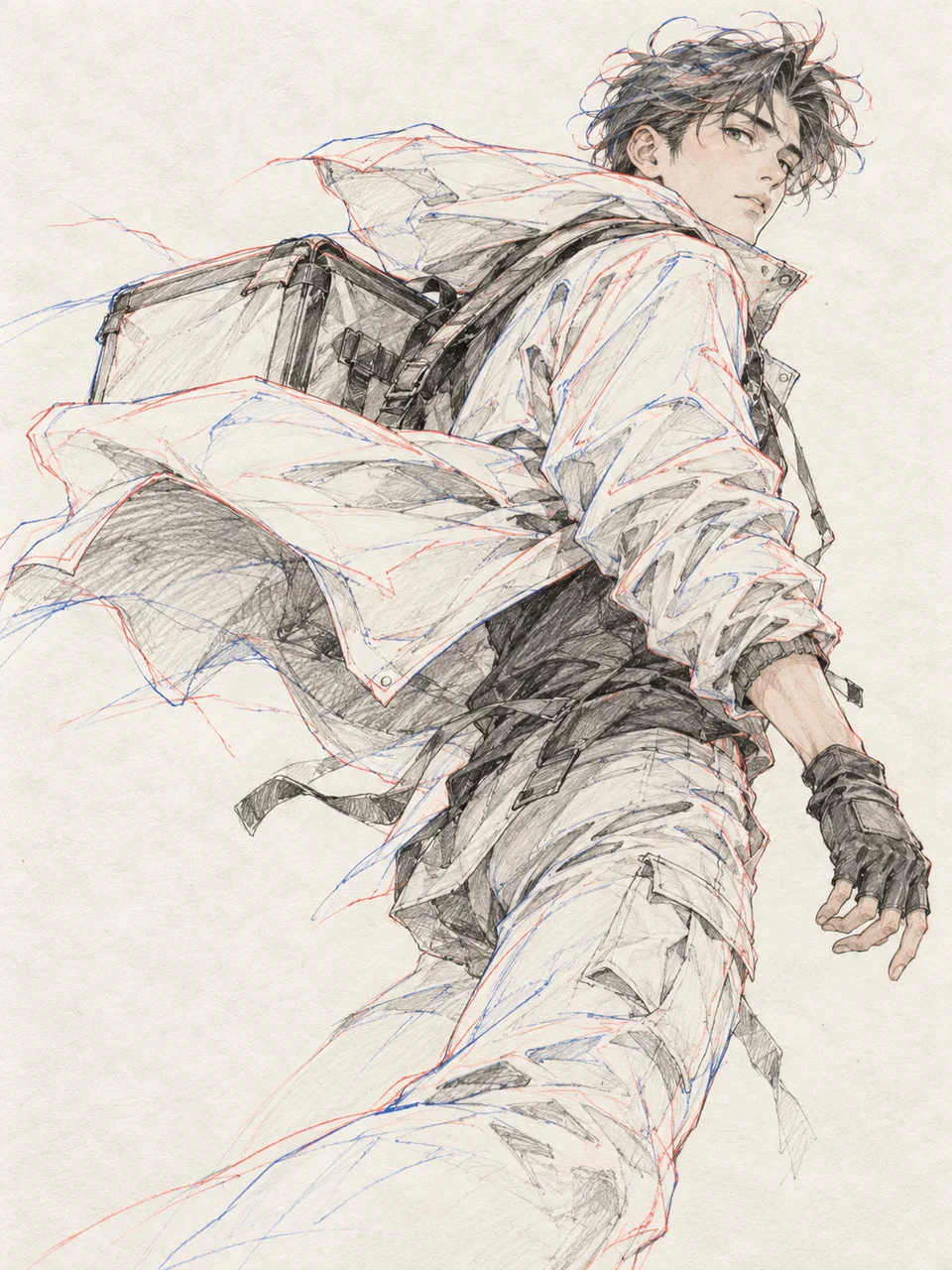 Genga PencilAnimation key drawing with visible construction and energy.
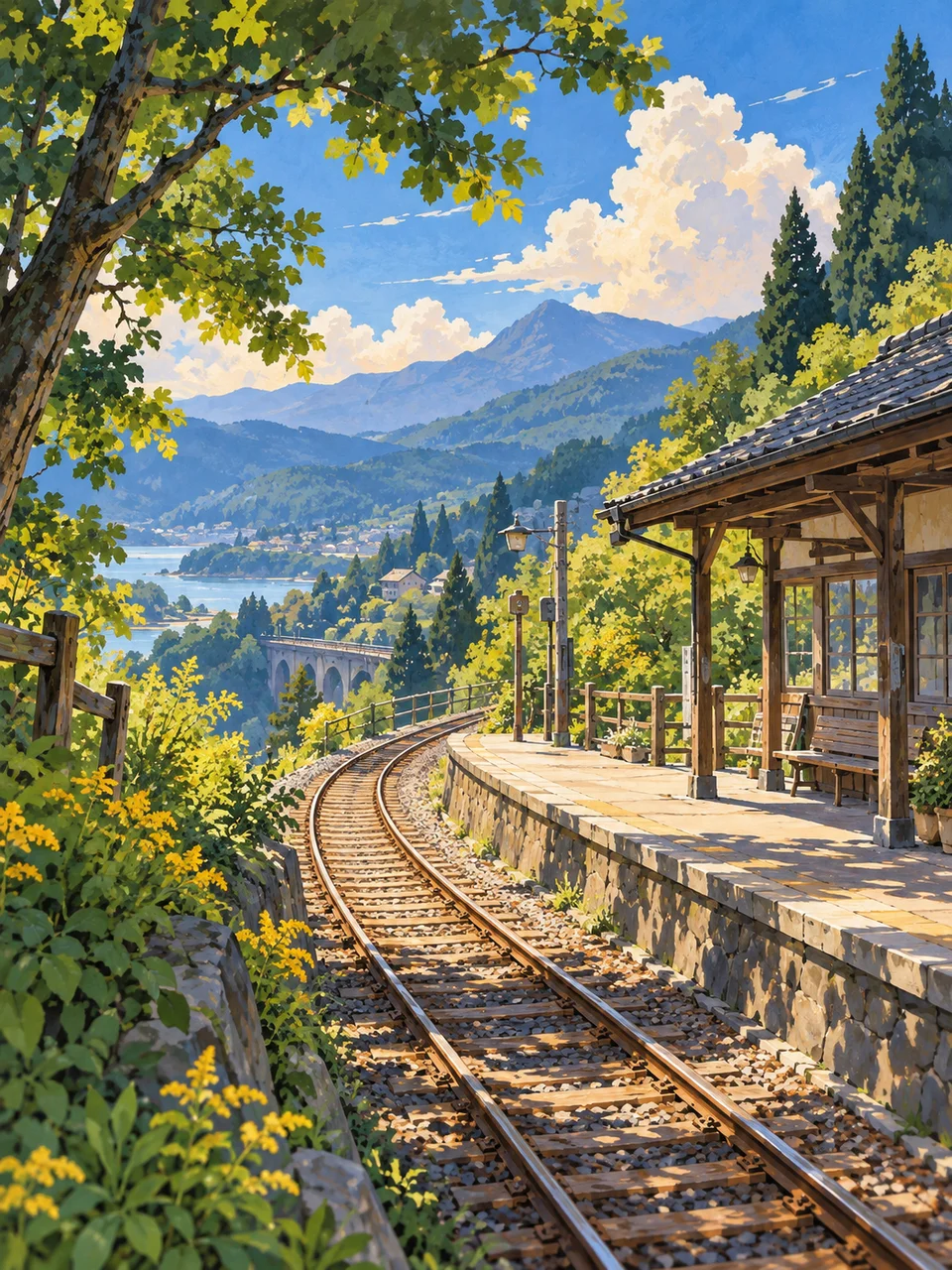 Animation Background GouacheHand-painted environmental depth with deliberate color staging.
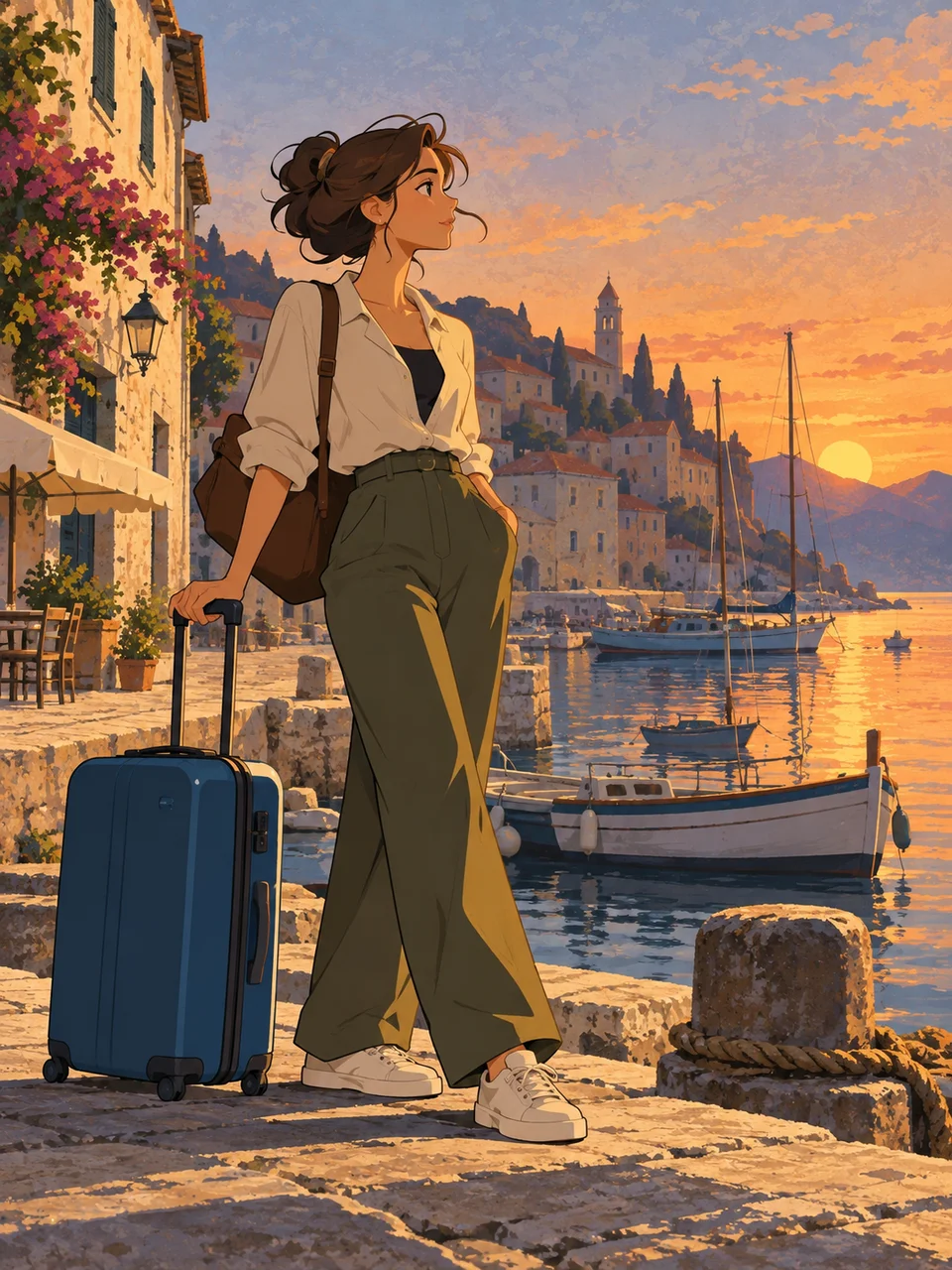 Limited CelEconomical painted shapes with a strong held-pose silhouette.
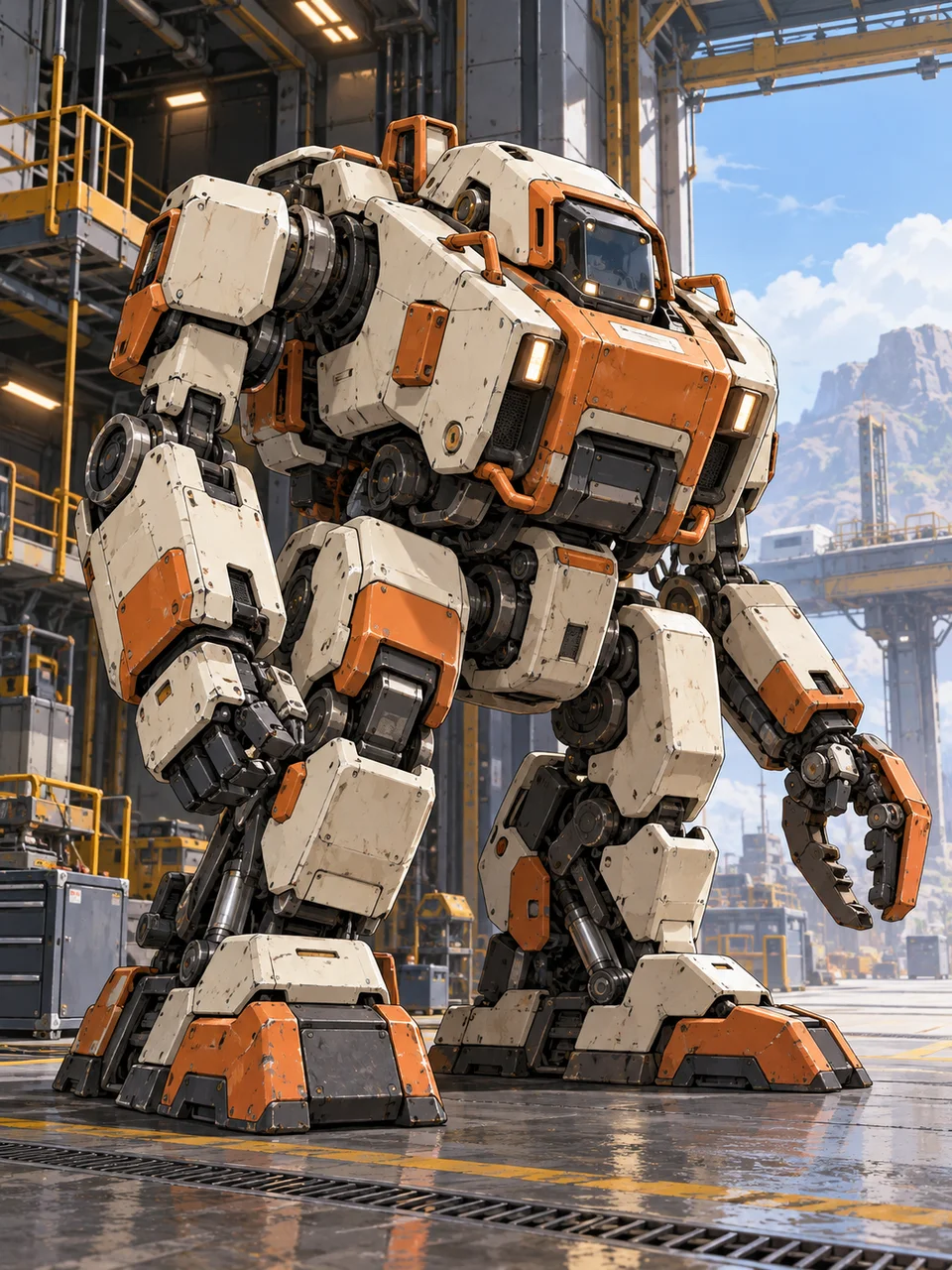 Industrial MechaFunctional mechanical design with crisp cel-painted planes.
Bring it to life
Effects that turn a still in this look into a short video.
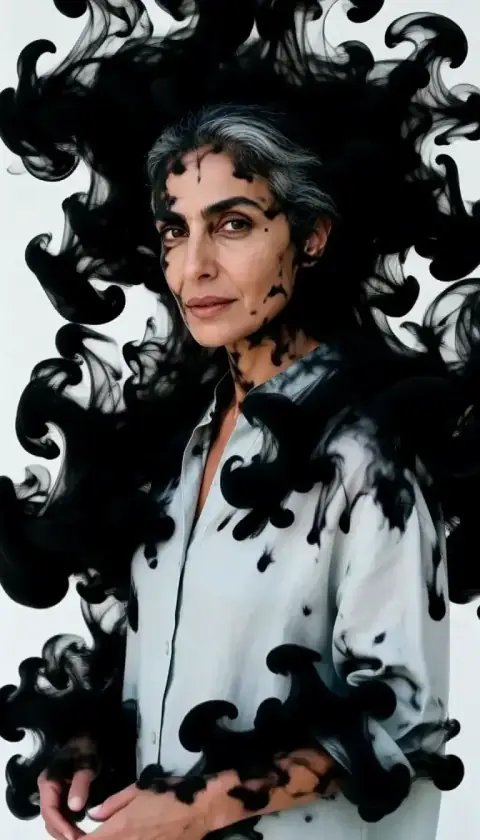 Ink Bleed
 Whip Pan