


AI video effect · Hydraulic Press
Hydraulic Press: Crush any object in slow motion
A steel press comes down and flattens your object in slow motion.
1Add a photo
- One product on a plain surface
- Center it with space all around
- Soft, even light keeps the edges crisp
More optionsMiniMax H3 Max
More options5s
5-second video · usually ready in about 1 min
More to try
All effects






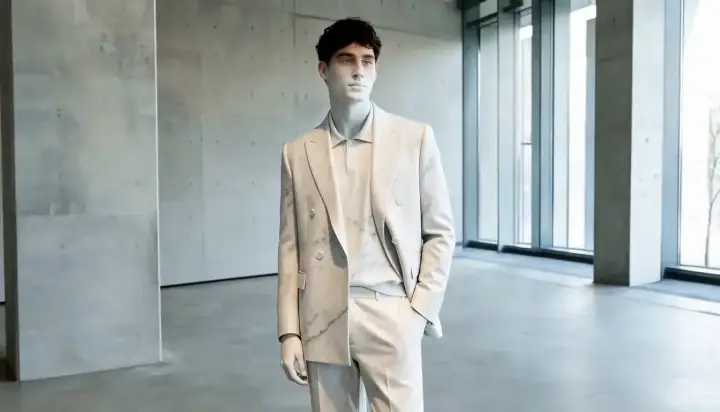

What the Hydraulic Press effect does
Hydraulic Press turns an object photograph into a slow compression scene. A steel plate descends, the object bulges and cracks, and pieces push outward until the form is flattened. The locked camera lets the changing material tell the story without a distracting move.
Choose a single item on a flat surface and keep the whole setup clear of people, hands and animals. Space above the object is as important as space beside it: the plate needs an entrance, and the spreading contents need somewhere to go.
How to use Hydraulic Press
- Isolate the object Add a workbench photograph with one centered item and no hands, people or pets.
- Lower the plate Use the default five-second sample tier to generate the slow compression.
- Review the sideways spread Check the bulging, cracking and flattened finish while keeping the original support surface in view.
Which photos work best for Hydraulic Press
Works well
- One centered object on a workbench
- Clear space above and around the item
Avoid
- Hands holding the object
- People or animals anywhere in the crushing area
Hydraulic Press examples
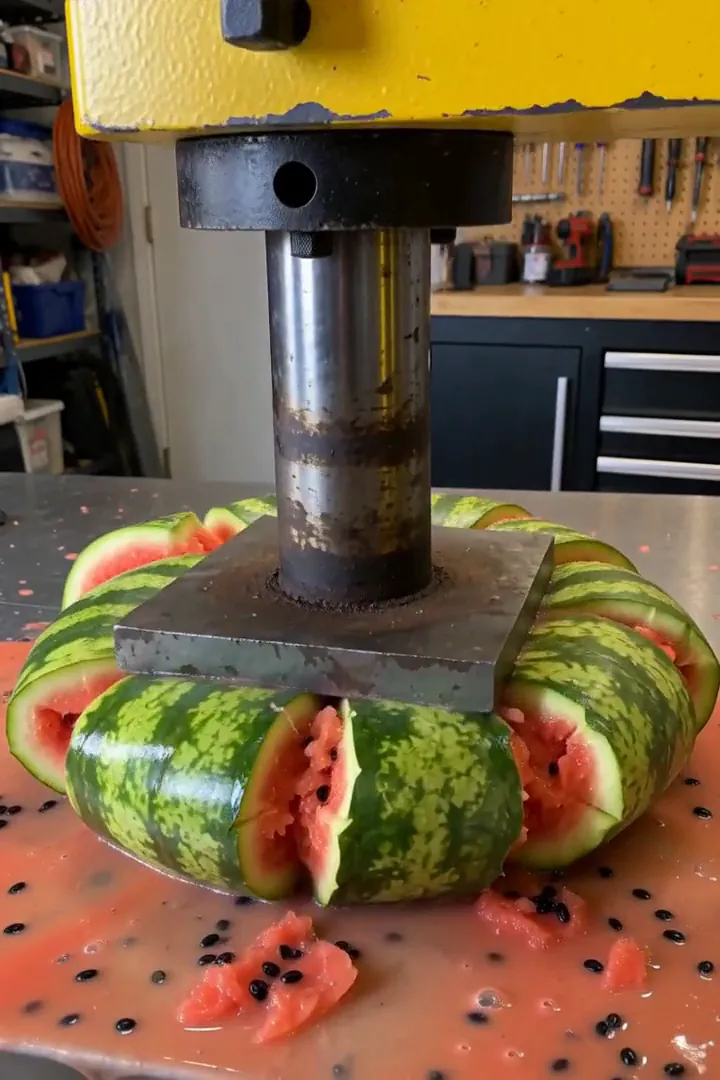

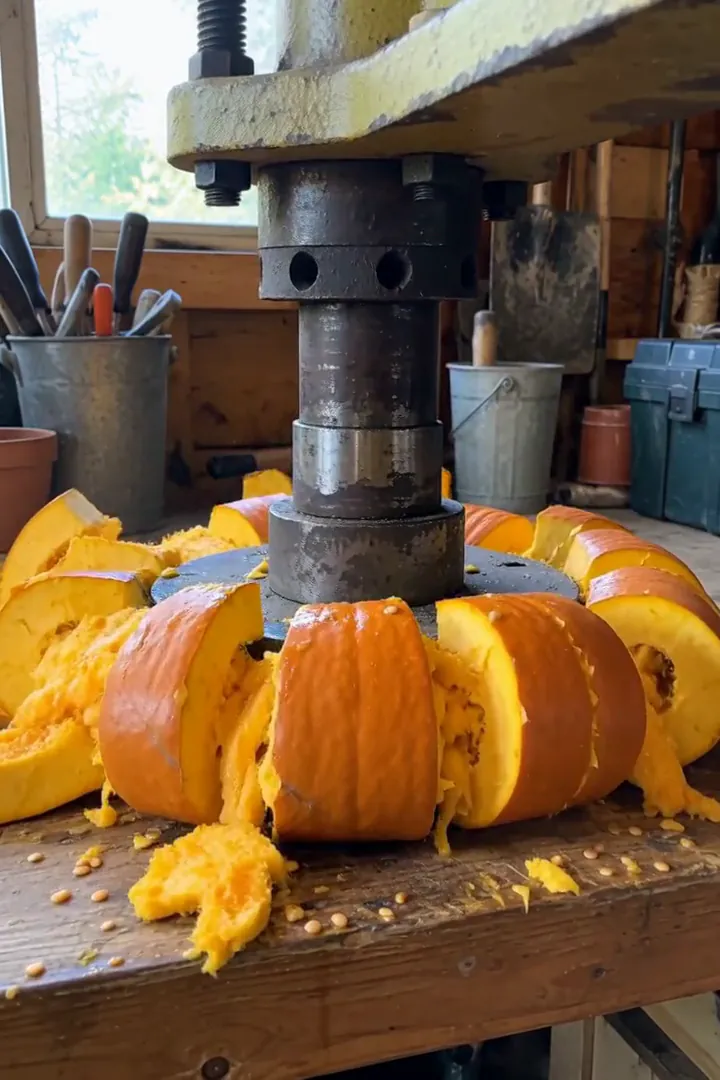
What we saw when we tested Hydraulic Press
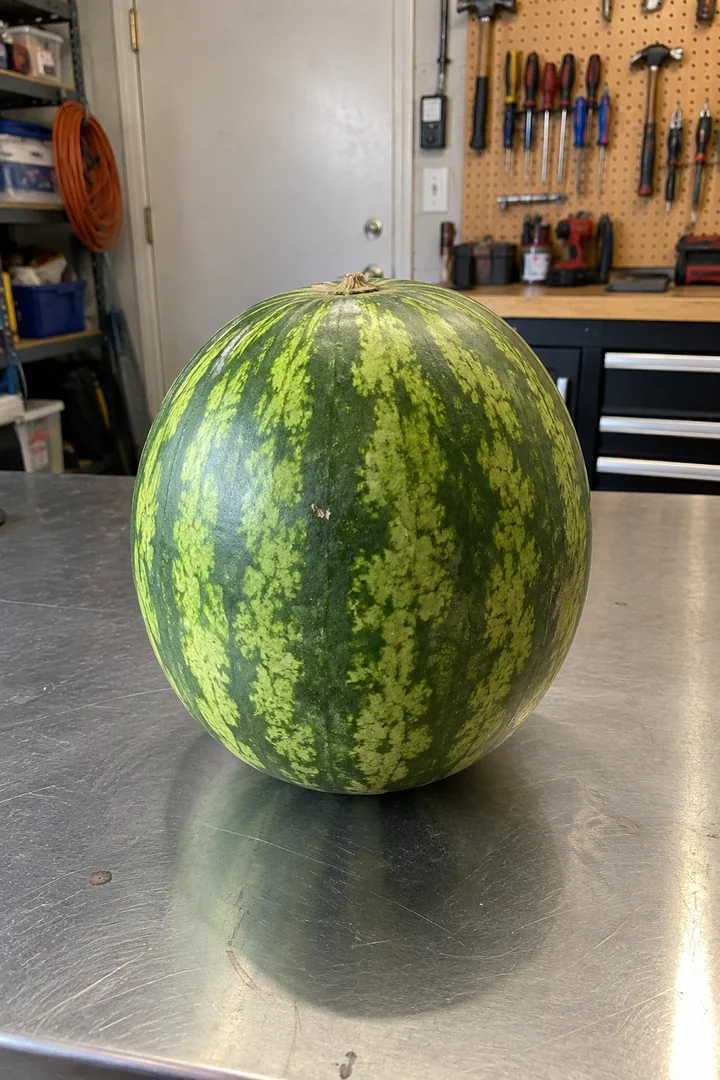
In our test runs, a watermelon on a steel workbench. The press plate comes down, it bulges, cracks and bursts flat. Center the object on a flat surface with space above it for the press.
The comparison run shows an orange pumpkin on a wooden workbench in a shed. The press flattens it and the pulp squeezes out to the sides. Only the object is crushed; keep hands, people and pets out of the photo.
How Hydraulic Press does on each model
- MiniMax H3 Max (400 credits · about 30 s) Default; MiniMax H3 Max made the samples. 400 credits, with a typical render time of 31 seconds. The Hydraulic Press render includes generated sound; its page samples play muted.
- MiniMax H3 (185 credits · about 55 s) MiniMax H3 is cheaper at 185 credits and untested with this prompt; the sample behavior does not establish this tier’s result.
- Seedance 2.0 Mini · 480p (124 credits · about 2 min)
The prompt behind Hydraulic Press
A heavy steel hydraulic press plate descends from the top of the frame and slowly presses down on the object; it bulges, cracks and flattens under the pressure, pieces squeezing out to the sides, until the plate stops and lifts slightly. Slow motion, camera locked off at eye level, workshop lighting, realistic material physics. Only the object is crushed. One continuous shot, no cuts. No text, no logos.Tips for a better Hydraulic Press result
- Use a side view where the height of the object can visibly decrease.
- Keep neighboring items away from the main object so the flattening remains the only event to follow.
Hydraulic Press: questions and answers
Can I hold the object in the press reference?
Keep hands out of this input; the supplied guidance limits the crushing subject to the object alone.
What happened to the watermelon under the steel plate?
It bulged, cracked and burst flat on the steel workbench as the descending press compressed it.
Does a pumpkin show the same kind of material change?
The shed example flattened an orange pumpkin with pulp squeezing outward to the sides.
Why leave an empty strip above the workbench object?
The press plate enters from the top of the picture, so an overhead gap gives the descending motion a readable path.
Is this a real physical demonstration of an item’s strength?
The video is generated from a photograph and should be treated as an imagined material scene rather than an engineering measurement.
Related effects and tools
- Meltdown · Melt into a puddle of glossy candy colors. Cartoon-style.
- Shatterpoint · Turn to glass, crack, and burst into flying shards.
- Ingredients Burst · Fruit and droplets explode around your product in slow motion.
- Trim and arrange the Hydraulic Press scene