


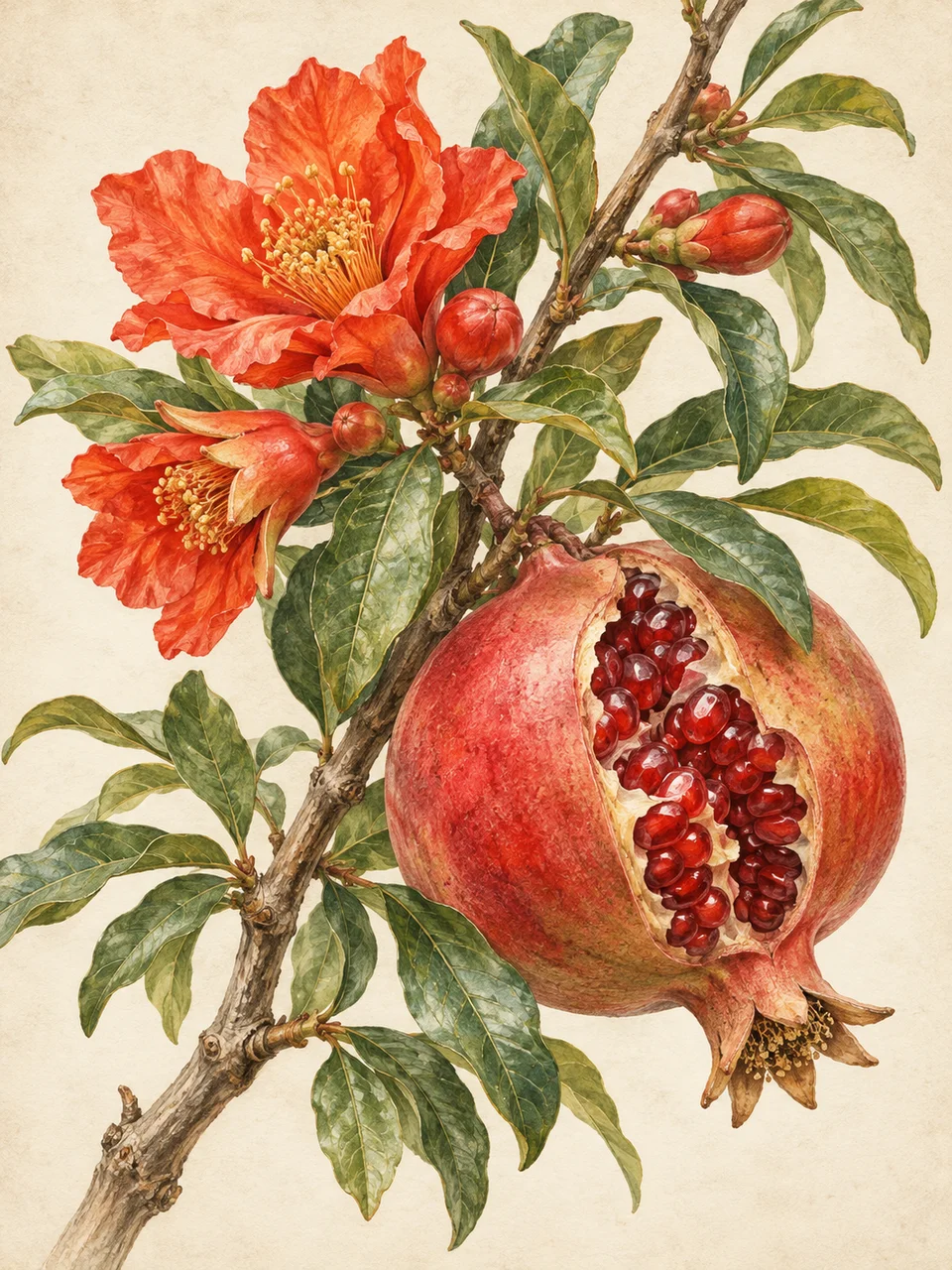
Plant Study AI Art Generator: Botanical Plate
Observed plant structure drawn with archival precision.
- From a description only
- Best shape: 3:4 · 4:5 · 1:1
Works on
- Seedream 5.0 Pro
- Qwen Image 3.0
- Nano Banana 2.1
- Seedream 5.0 Flash
About Botanical Plate
Botanical Plate borrows the careful observation and isolated presentation of botanical illustration. A stem has a readable branching pattern, leaves turn in space, and fine graphite construction supports controlled watercolor glazing. Warm paper surrounds the specimen, with only enough shadow to keep its parts distinct. The emphasis falls on the plant itself: its leaf attachment, flower shape, and changes along a stem. The result resembles a composed plant study without labels or the claim of being a historical scientific plate.
A flowering pea vine, a lemon twig carrying fruit and blossoms, a fern frond, or a poppy stem with a seed capsule gives the study clear structure. Name the plant when you know it, then describe which parts should be present and how mature they are. You supply a written description for this style. One coherent specimen is easier to examine than a mixed bouquet, especially when small leaves or flowers need separation against the paper.
Begin with “a lemon twig with one ripe fruit, two blossoms, and glossy leaves”, “a single fern frond curving gently across warm paper”, or “a poppy stem with one open flower and a closed seed capsule”. Each specifies a manageable set of plant parts. A young shoot introduces folded leaves and tighter forms; a mature branch gives broader leaf surfaces and heavier fruit. Leave the lower stem visible if you want its branching to remain easy to follow.
Tips
- Specify the plant and the parts you want shown, such as a flower, fruit, leaf underside, or seed capsule, rather than requesting a general floral arrangement.
- Choose a 3:4 frame for tall stalks and fronds, leaving a margin above the highest leaf and below the cut stem.
- Describe a leaf turning sideways or folding back to show thickness and attachment without crowding the study with extra specimens.
- Keep the paper background quiet. A garden setting shifts attention from plant structure to the surrounding scene.
- For compound leaves, ask for a clearly visible central stem and spaced leaflets so the branching pattern has room to read.
What the style adds
Your words go where it says “your subject”. Everything else is added for you.
your subject. Create a contemporary botanical study with precise plant anatomy, controlled watercolor glazing and fine graphite construction. Isolate the specimen on warm archival paper, using restrained shadow and accurate branching. Keep the composition elegant with no labels, scale bars, seals or claims of scientific provenance.
Models and price
- Seedream 5.0 Pro36 credits
- Qwen Image 3.030 credits
- Nano Banana 2.148 credits
- Seedream 5.0 Flash29 credits
One 1K image from a description. The button always shows the exact price before you spend anything.
How to use Botanical Plate
- Describe itWrite who or what should be in the picture. A small action and a clear place work best.
- Pick a shapeKeep the suggested ratio and model, or change them in the bar at the bottom.
- Paint itPress “Paint it”. The price is on the button before you spend anything.
Questions about Botanical Plate
Can I use Botanical Plate on my own photo?
Not yet. This style works from a description: write what you want to see and the style adds the look.
How much does one Botanical Plate image cost?
29 credits for one 1K image on Seedream 5.0 Flash. 2K costs more, and the button shows the exact price before you run it.
Can I use the result to identify a plant?
Use it as an illustration concept rather than an identification reference. Generated leaves, flowers, or branching may contain errors even when the image looks convincing. Compare important details with a verified botanical source before using them for educational labeling.
Will it include Latin names or specimen labels?
The composition is designed around an unlabelled specimen on warm paper. Add any names or notes separately after checking the plant details. That also lets you choose readable typography and keep wording consistent across a set of studies.
How does Botanical Plate differ from Pochoir Color?
Pochoir Color favors color areas associated with stencil printing. Botanical Plate uses transparent glazing and fine drawing to describe leaf veins, petal turns, and branching. Pick Botanical Plate when close observation matters more than bold decorative color shapes.
Similar styles
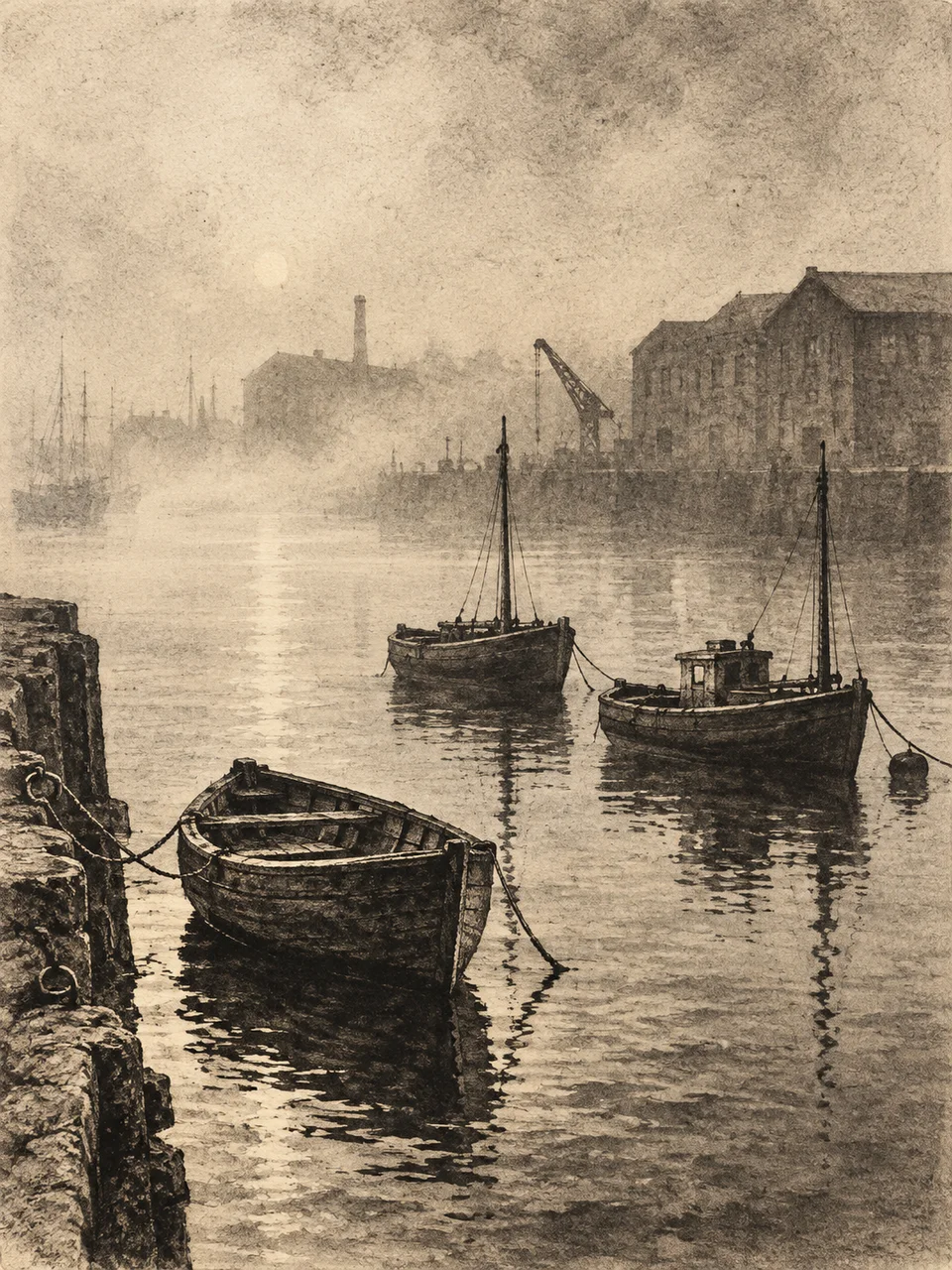 Aquatint Atmosphere
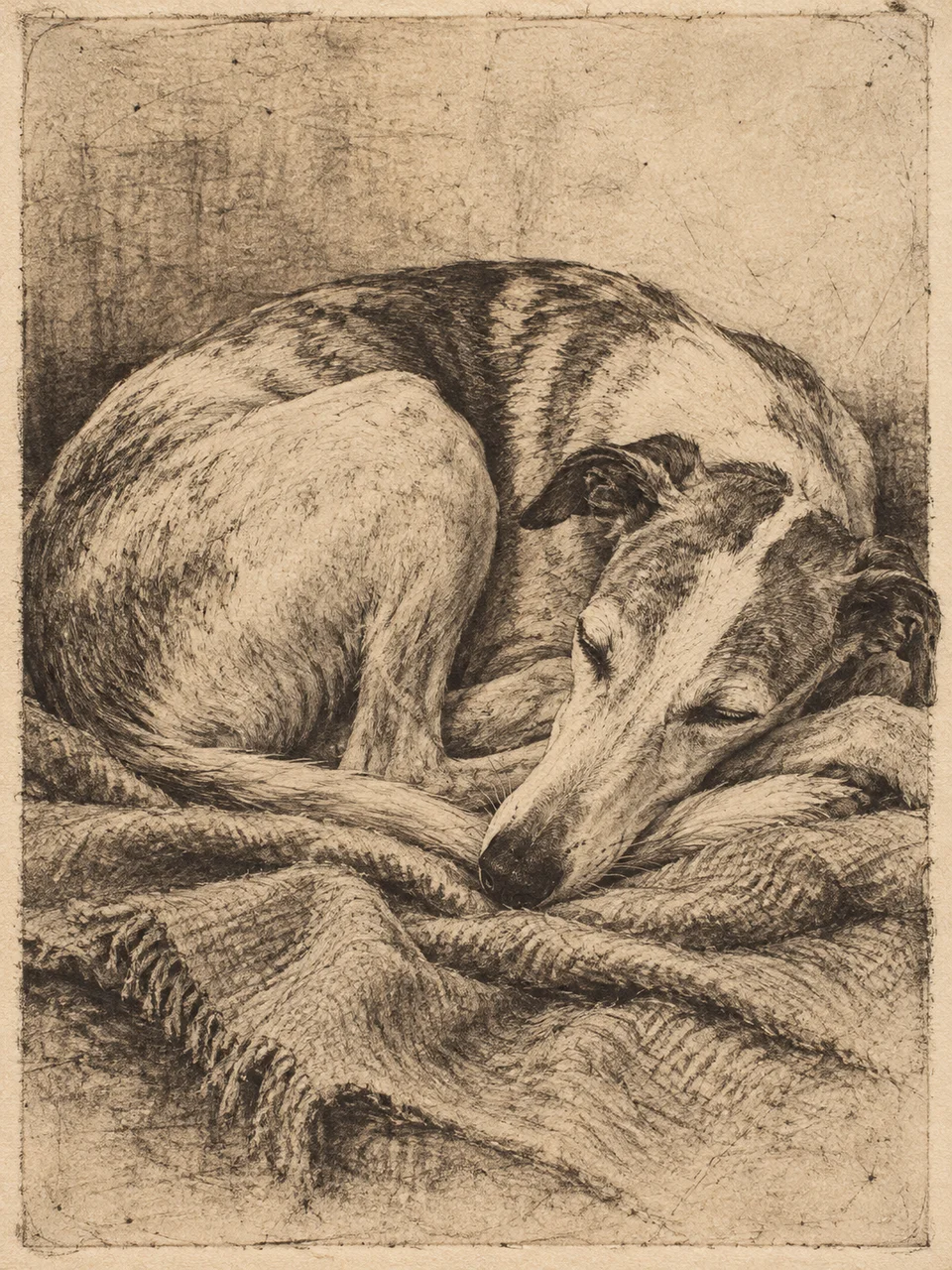 Drypoint Burr
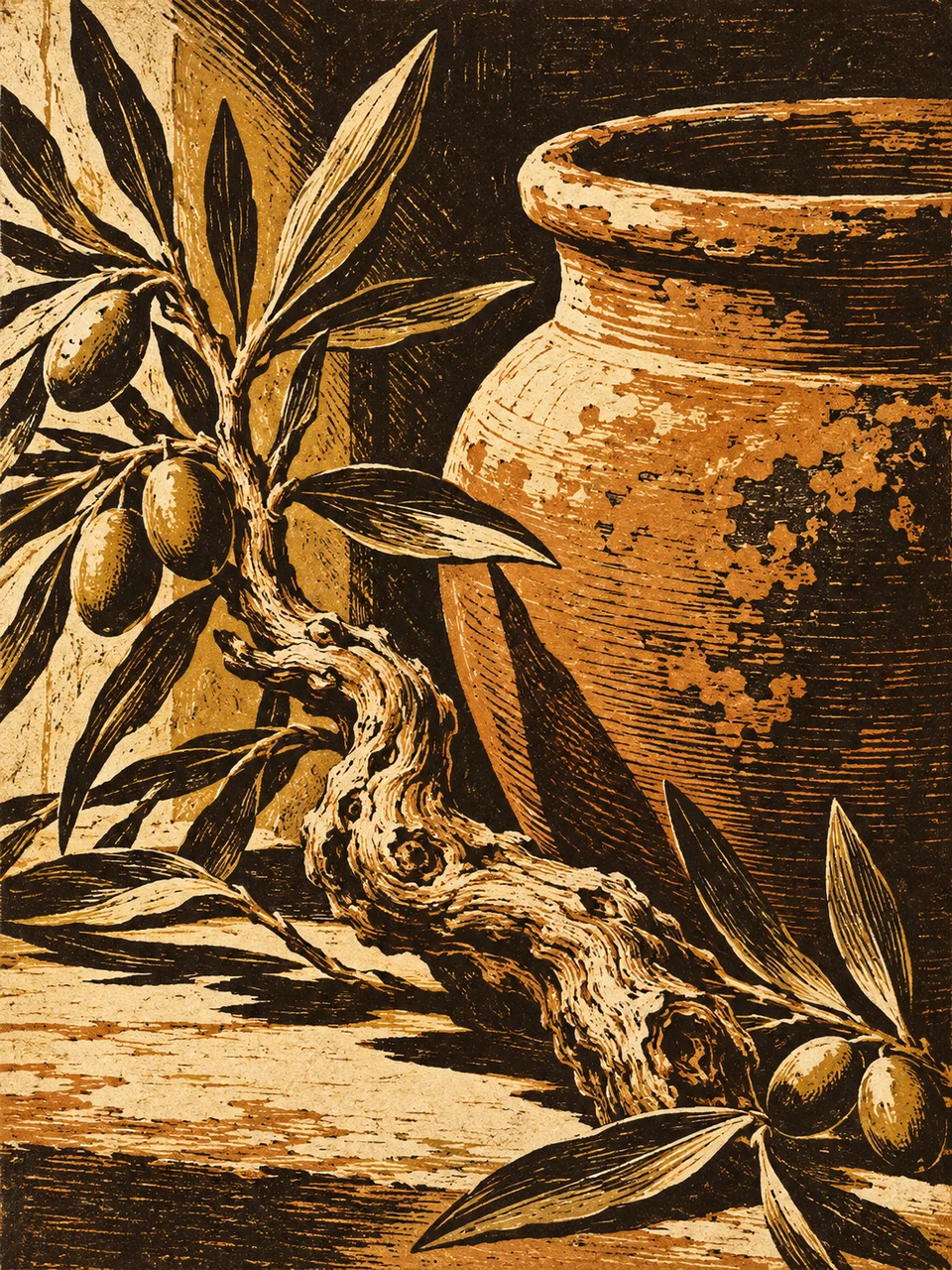 Chiaroscuro Woodcut
 Pochoir Color
Bring it to life
Effects that turn a still in this look into a short video.
 Flower Bloom
 Butterflies