Paper Wing Study, made with GPT Image 2.5 Sunburst
Example made with GPT Image 2.5 Sunburst

Text to imageArt & posters

GPT Image 2.5 Sunburst art style promptPaper Wing Study

The exact text-to-image prompt behind this picture, made with GPT Image 2.5 Sunburst.

Prompt

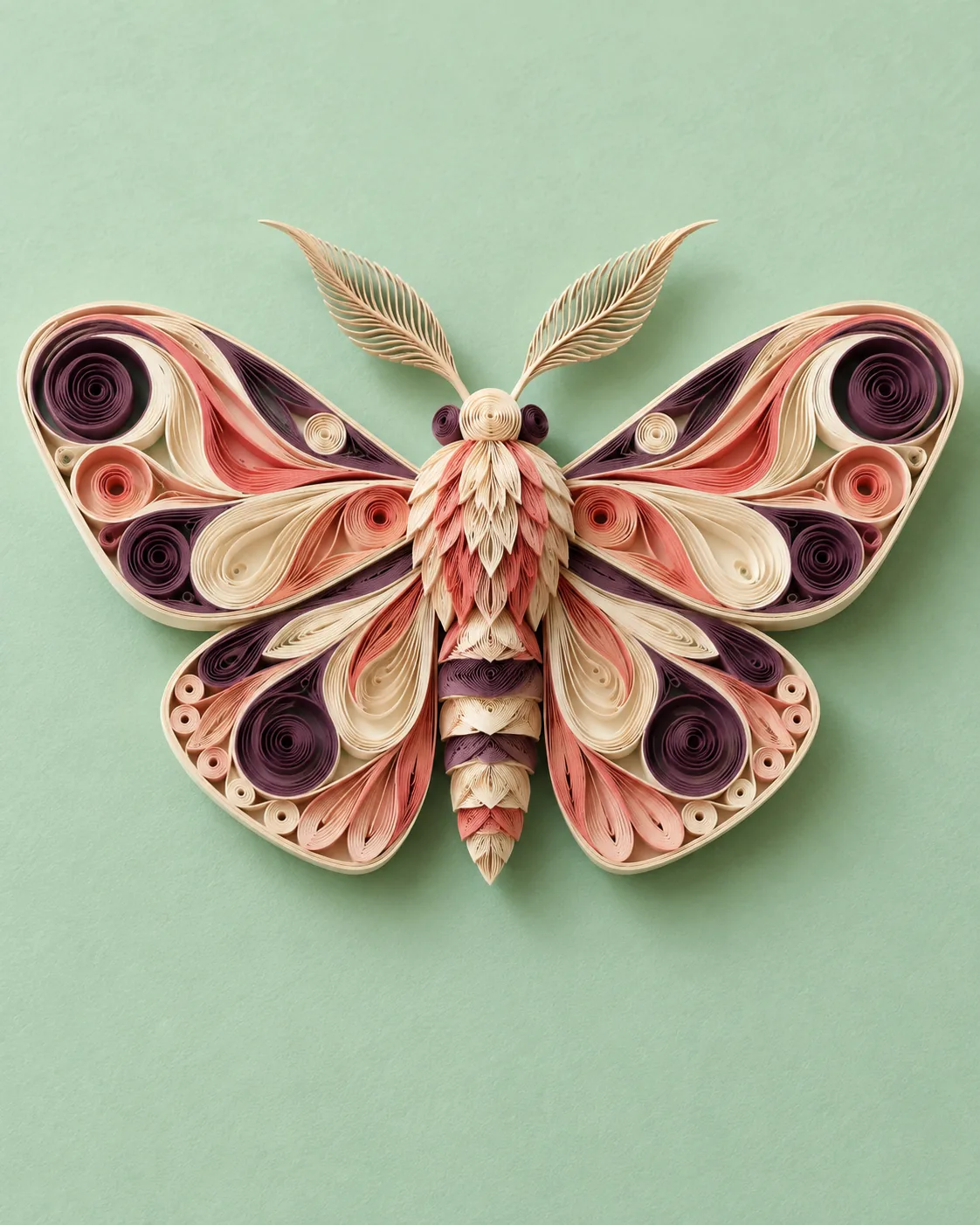
Vertical 4:5 portrait frame. A single broad-winged moth is constructed from tightly curled strips of cream, pale coral and plum paper, its symmetrical wing pattern simplified into generous spirals and teardrops. Mount it above a matte mint board with ample breathing room. Close overhead paper-art photography, soft directional daylight casting fine shadows between coils, visible cut edges and patient handwork, delicate natural curiosity without specimen labels, no text.

Prompts are kept in their original English to help reproduce the example. Copy one as it is, or adapt it for your project.

Opens GPT Image 2.5 Sunburst with this prompt and the settings below filled in.

135 tested GPT Image prompts →

Settings

Mode
Text to image
Aspect ratio
4:5
Quality
high
Price
From 2 credits

The exact price shows before you generate.

Make your own version

  1. For a different mood, rewrite only the light: soft directional daylight casting fine shadows between coils.
  2. Close overhead paper-art photography sets the whole feel of the shot. Swap it for another camera style to change the vibe.
  3. The prompt ends with no text. Leave that in, or the model may add random lettering.

Style prompt guide

Style traits to keep

A delicate quilled paper moth floats above a muted mint backdrop, showcasing fine strip edges and layered papercraft depth. The prompt works well in GPT Image 2.5 Sunburst because it specifies physical craft textures, distinct color tones, and directional lighting that prevent the artwork from flattening into digital vector art. It balances clean studio styling with tactile, handmade realism.

This paper quilling style relies on physical depth cues, controlled color harmonies, and precise craft textures to mimic macro photography of handmade art.

Palette
The mix of warm cream, pale coral, and deep plum contrasted against matte mint provides deliberate retro-botanical sophistication without oversaturation.
Texture
Individual paper thickness, visible sheared edges, and tight concentric rolls create the tactile sensation of physical paper strips standing on edge.
Light
Gentle angled daylight casts tiny, realistic drop shadows inside the spiral cavities, giving tangible three-dimensional relief against the flat backboard.
Composition
The centered overhead view combined with generous empty border space mimics high-end gallery framing and delicate museum curiosity displays.

What defines this look

  1. Subject and medium definitionA single broad-winged moth is constructed from tightly curled strips of cream, pale coral and plum paper,

    This defines the physical paper quilling medium and the exact color palette. Removing the paper strip instruction risks turning the moth into a flat digital graphic or a real biological insect.

  2. Shape language guideits symmetrical wing pattern simplified into generous spirals and teardrops.

    It instructs the model to translate complex anatomical wing markings into stylized papercraft forms. Changing this alters the density and geometry of the curled paper rolls.

  3. Background and negative spaceMount it above a matte mint board with ample breathing room.

    This establishes a clean, high-contrast surface and prevents clutter around the central motif. Dropping this often causes noisy textured surfaces or cluttered background props.

  4. Camera and lighting setupClose overhead paper-art photography, soft directional daylight casting fine shadows between coils,

    This angle and lighting reveal the physical height of the paper edges through subtle cast shadows. Without directional daylight, the image loses its three-dimensional tactile depth.

  5. Texture and negative constraintsvisible cut edges and patient handwork, delicate natural curiosity without specimen labels, no text.

    It reinforces the realistic handmade feel while preventing the model from generating faux museum text, Latin names, or artificial framing.

Same style, new subjects

Quilled profile portrait

Applies the quilled papercraft technique to an adult portrait study with warm earth tones.

Prompt

Vertical 4:5 portrait frame. A serene adult woman profile is constructed from tightly curled strips of ivory, ochre and terracotta paper, her flowing hair simplified into generous flowing spirals and teardrops. Mount it above a matte sage board with ample breathing room. Close overhead paper-art photography, soft directional daylight casting fine shadows between coils, visible cut edges and patient handwork, no text.

Curled paper cat

Transfers the curled paper coils and soft shadow depth to a stylized domestic pet silhouette.

Prompt

Vertical 4:5 portrait frame. A single seated domestic cat is constructed from tightly curled strips of charcoal, fawn and copper paper, its silhouette simplified into generous spirals and teardrops. Mount it above a matte powder blue board with ample breathing room. Close overhead paper-art photography, soft directional daylight casting fine shadows between coils, visible cut edges and patient handwork, no text.

Architectural townhouse facade

Uses quilling geometry to represent architectural arches, window panes, and decorative moldings.

Prompt

Vertical 4:5 portrait frame. A charming rowhouse facade is constructed from tightly curled strips of brick red, warm mustard and slate paper, its windows and cornice simplified into generous spirals and teardrops. Mount it above a matte pale gray board with ample breathing room. Close overhead paper-art photography, soft directional daylight casting fine shadows between coils, visible cut edges and patient handwork, no text.

Model and settings

Keep the 4:5 aspect ratio for art prints, phone screens, and balanced vertical studio framing. Set quality to high so GPT Image 2.5 Sunburst accurately resolves the thin, micro-detailed paper cut edges and delicate paper coil interiors. If you want a wide horizontal desktop wallpaper or landscape framed poster, switch the aspect ratio to 16:9 while retaining high quality.

  • FLUX.2 ProFLUX.2 Pro is ideal if you need precise hex color control to match specific interior paint palettes or strict brand color swatches.
  • Nano Banana ProNano Banana Pro is a strong alternative when you want to plan intricate structural layouts or multi-element papercraft compositions before rendering.

When the style drifts

The moth looks like a flat vector illustration or smooth plastic render instead of physical paper.
Ensure the prompt retains 'visible cut edges', 'tightly curled strips of paper', and 'fine shadows between coils' to enforce physical papercraft textures.
The model adds unwanted faux museum typography, labels, or faux handwriting underneath the subject.
Keep 'delicate natural curiosity without specimen labels, no text' at the end of the prompt to block taxonomic captions.
The coils become overly dense and muddy, losing clear individual shapes.
Emphasize 'simplified into generous spirals and teardrops' and specify only two to three distinct paper colors to keep negative space clean.

Questions about this style prompt

How do I change the paper colors without ruining the shadow depth?

Replace the color words 'cream, pale coral and plum' with your chosen palette, such as 'mustard, olive and off-white'. Keep the background color contrasting, and leave 'soft directional daylight' untouched so shadow depth remains intact.

Why is an overhead angle best for paper quilling prompts?

A close overhead perspective gives an unobstructed look at the internal coil spirals while allowing raking light to throw clear shadows onto the backing board. Angled side shots often obscure the delicate interior paper patterns.

Can I add realistic antennas and moth legs to the paper model?

Yes, but describe them specifically as paper elements, such as 'whisper-thin folded paper antennae'. Avoid words like 'realistic insect legs', which can confuse the model into generating real biological insect parts.