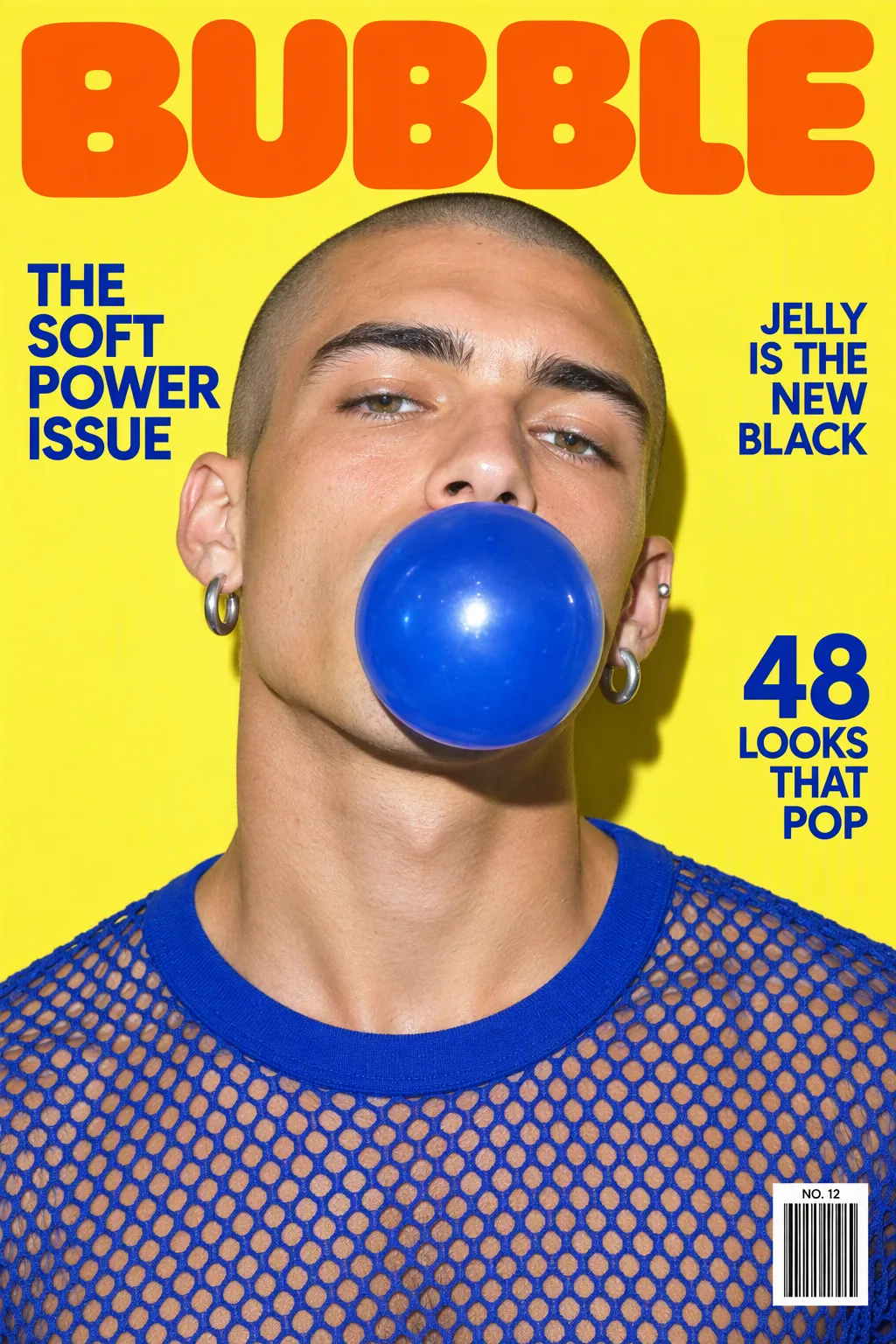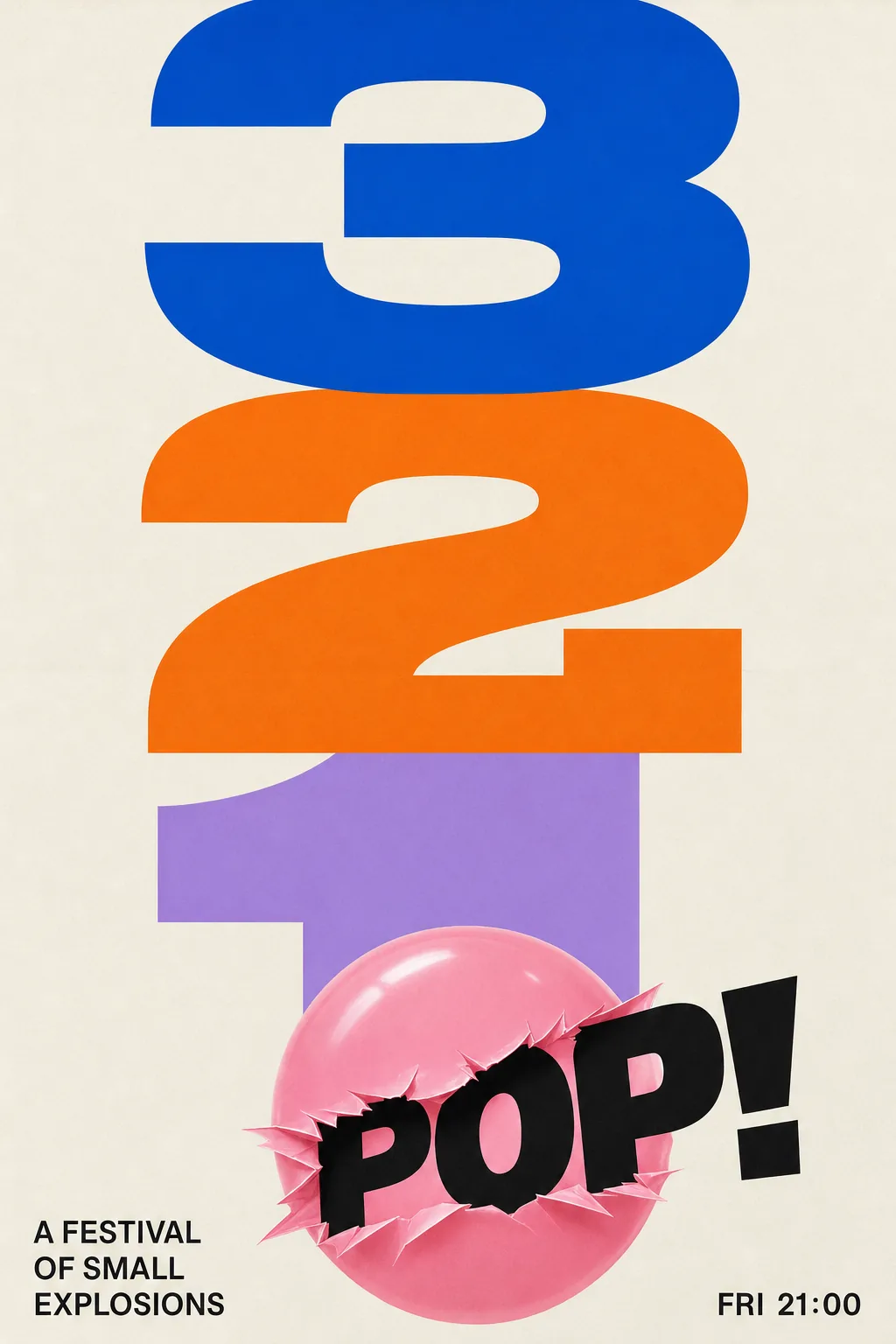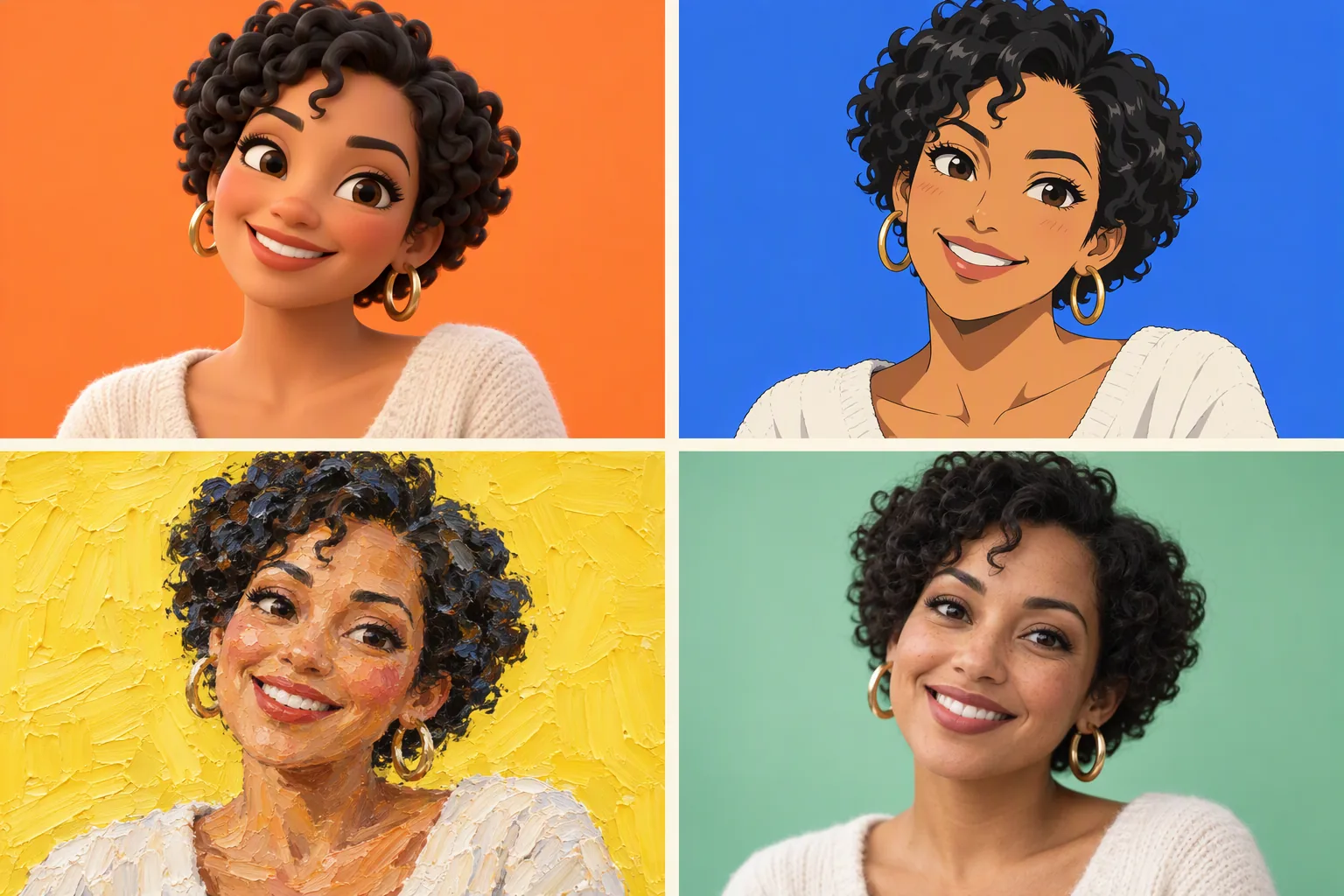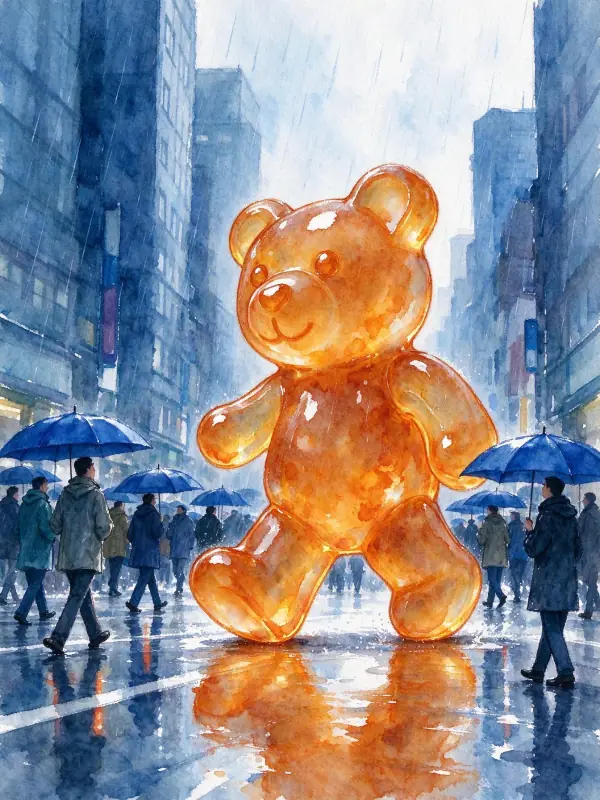

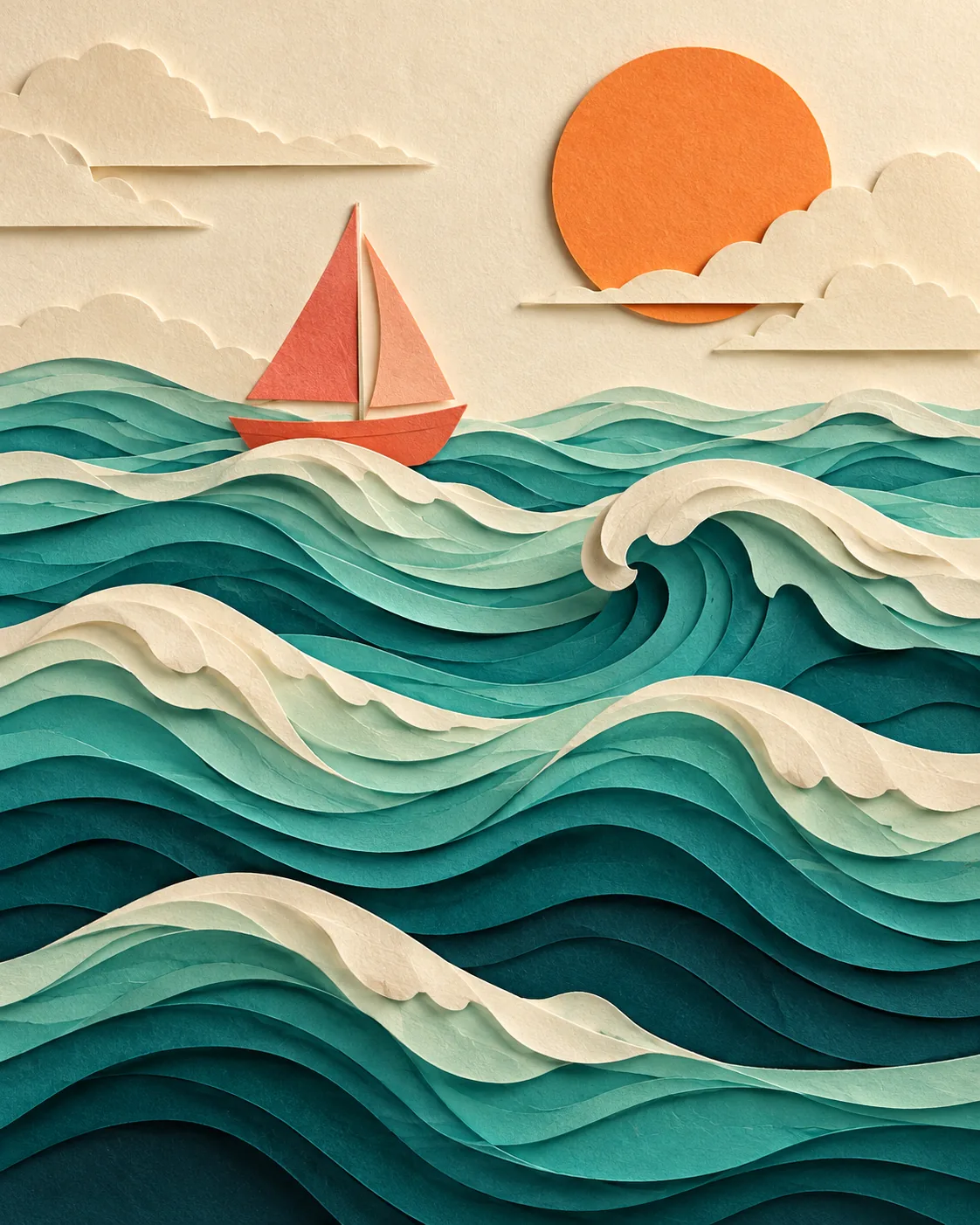
Paper Cut Ocean, made with GPT Image 2.5 Sunburst
Example made with GPT Image 2.5 Sunburst

Text to imageArt & posters

GPT Image 2.5 Sunburst art style promptPaper Cut Ocean

The exact text-to-image prompt behind this picture, made with GPT Image 2.5 Sunburst.

Prompt

Vertical 4:5 portrait frame. Layered paper cut art of an ocean scene, waves in dozens of stacked layers of teal, mint and cream paper, a small coral sailboat on top, a round sun in tangerine, soft shadows between the layers creating depth, photographed straight on with gentle side light, handcrafted texture, no text.

Prompts are kept in their original English to help reproduce the example. Copy one as it is, or adapt it for your project.

Opens GPT Image 2.5 Sunburst with this prompt and the settings below filled in.

135 tested GPT Image prompts →

Settings

Mode
Text to image
Aspect ratio
4:5
Quality
high
Price
From 2 credits

The exact price shows before you generate.

Make your own version

  1. For a different mood, rewrite only the light: soft shadows between the layers creating depth.
  2. The prompt ends with no text. Leave that in, or the model may add random lettering.

Style prompt guide

Style traits to keep

Layered paper sculpture transforms a simple maritime seascape into tactile craft art with clean graphic separation. GPT Image 2.5 Sunburst excels at rendering realistic paper thicknesses, cast drop shadows, and subtle paper grain without melting the edges together. The result feels like a physical shadowbox diorama shot under soft studio lights.

The paper cut style relies on tactile materials, controlled color palettes, and directional lighting to look authentic rather than digitally generated.

Texture
Subtle paper tooth and crisp cardstock edges convince the eye that the scene was assembled by hand with craft sheets.
Light
Gentle directional side lighting creates soft drop shadows beneath each layer, which establishes real dimensional depth in a flat frame.
Palette
Strictly limited shades of teal, mint, cream, and warm tangerine keep the composition organized and avoid a messy painted look.
Composition
Stacking tiered elements from bottom to top mimics physical shadowbox construction, leading the eye upward to the sun.

What defines this look

  1. medium and subject baseVertical 4:5 portrait frame. Layered paper cut art of an ocean scene,

    Establishes the diorama medium immediately so the model treats every subsequent object as a physical cardstock cutout rather than a flat digital illustration.

  2. core wave structurewaves in dozens of stacked layers of teal, mint and cream paper,

    Forces repeating stepped curves that build physical depth across the frame. Removing the color trio causes the waves to blend into a monochromatic mass.

  3. focal point accentsa small coral sailboat on top, a round sun in tangerine,

    Introduces warm, contrasting shapes that stand out against the cool sea tiers and prevent the ocean from looking empty.

  4. dimensional lighting cuesoft shadows between the layers creating depth,

    Instructs the engine to cast visible shadows beneath every paper rim, which is essential to distinguish papercraft from flat vector graphics.

  5. studio photography setupphotographed straight on with gentle side light, handcrafted texture, no text.

    Locks in an eye-level angle and subtle rake lighting that highlights fibrous paper surfaces while blocking unwanted typographic labels.

Same style, new subjects

Paper cut city street

Swaps the seascape for architectural townhouses while keeping the stacked cardstock construction.

Prompt

Vertical 4:5 portrait frame. Layered paper cut art of a bustling city street, townhouse facades in dozens of stacked layers of slate, terracotta and beige paper, a small yellow taxicab on the road, a round streetlamp glowing soft white, soft shadows between the layers creating depth, photographed straight on with gentle side light, handcrafted texture, no text.

Paper cut forest deer

Applies the same layered shadowbox method to wildlife and forest silhouettes.

Prompt

Vertical 4:5 portrait frame. Layered paper cut art of a woodland clearing, pine trees in dozens of stacked layers of moss, sage and parchment paper, an adult deer silhouette in russet brown, a round moon in ivory, soft shadows between the layers creating depth, photographed straight on with gentle side light, handcrafted texture, no text.

Paper cut breakfast still life

Translates the paper diorama approach into an indoor tabletop still life with warm accents.

Prompt

Vertical 4:5 portrait frame. Layered paper cut art of a breakfast table, tabletop and dishware in dozens of stacked layers of lavender, blush and cream paper, a small golden croissant on top, a round sliced orange, soft shadows between the layers creating depth, photographed straight on with gentle side light, handcrafted texture, no text.

Model and settings

Keep the aspect ratio at 4:5 because vertical proportions let the dozens of paper layers build upward naturally from foreground waves to the sky. Retain the high quality setting to ensure paper edges stay sharp and cast shadows do not turn into blurry smudges. If you change the aspect ratio to 16:9 for a banner, reduce the number of wave tiers in the prompt so the horizontal space does not feel overcrowded.

  • FLUX.2 ProPick FLUX.2 Pro when you want strict hex-level control over the paper colors and ultra-clean surface lighting.
  • Seedream 5.0 ProChoose Seedream 5.0 Pro if you have a photo of real craft paper swatches to guide the exact texture.

When the style drifts

The artwork looks like a flat vector graphic or digital clip art instead of paper.
Strengthen the lighting instructions by replacing gentle side light with raking studio side light casting deep drop shadows beneath cardstock edges.
Paper edges melt together and lose their crisp cutout separation.
Remove dozens of stacked layers and specify five to seven distinct stacked cardstock sheets with visible paper thickness.
Colors become muddy and blend together like watercolor paint.
Insert matte solid dyed paper sheets with clean cut lines to stop the model from applying painterly gradients across edges.

Questions about this style prompt

Why does my paper cut look like a 3D digital render instead of craft paper?

Add phrases like visible paper grain, matte cardstock sheets, and slight craft imperfections. Make sure to specify soft drop shadows so the depth looks like real sheets resting on each other.

Can I change the paper colors without ruining the shadow depth?

Yes, but stick to three or four contrasting colors. Using too many similar tones reduces edge visibility, which causes the AI to blur paper rims into one flat surface.

How do I make the paper sheets look thicker or thinner?

Add heavy 300gsm cardstock for thick, prominent cutout rims, or use delicate vellum and thin paper sheets for translucent, subtle edges.