



AI video effect · Levitation
Levitation: Rise calmly off the ground
Your heels lift, then your toes, and you rise calmly into the air.
1Add a photo
- One clear subject, waist-up or full body, with some space around them
- Leave room in the frame: wings, fire, portals and clones need space to appear
- Sharp, well-lit photos keep the face and fur the same through the effect
More optionsKling 4.0
More options5s
5-second video · usually ready in about 1 min
More to try
All effects
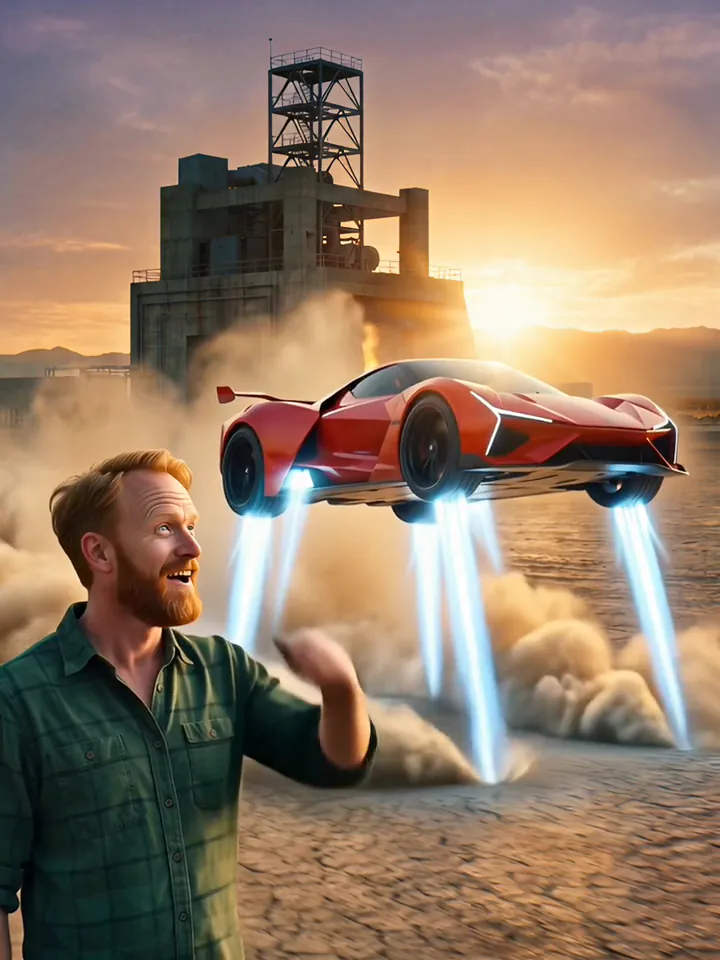 Flying Car TakeoffA red supercar pulls up behind you, fires its thrusters and lifts off while you look up in awe.Try itRecreate

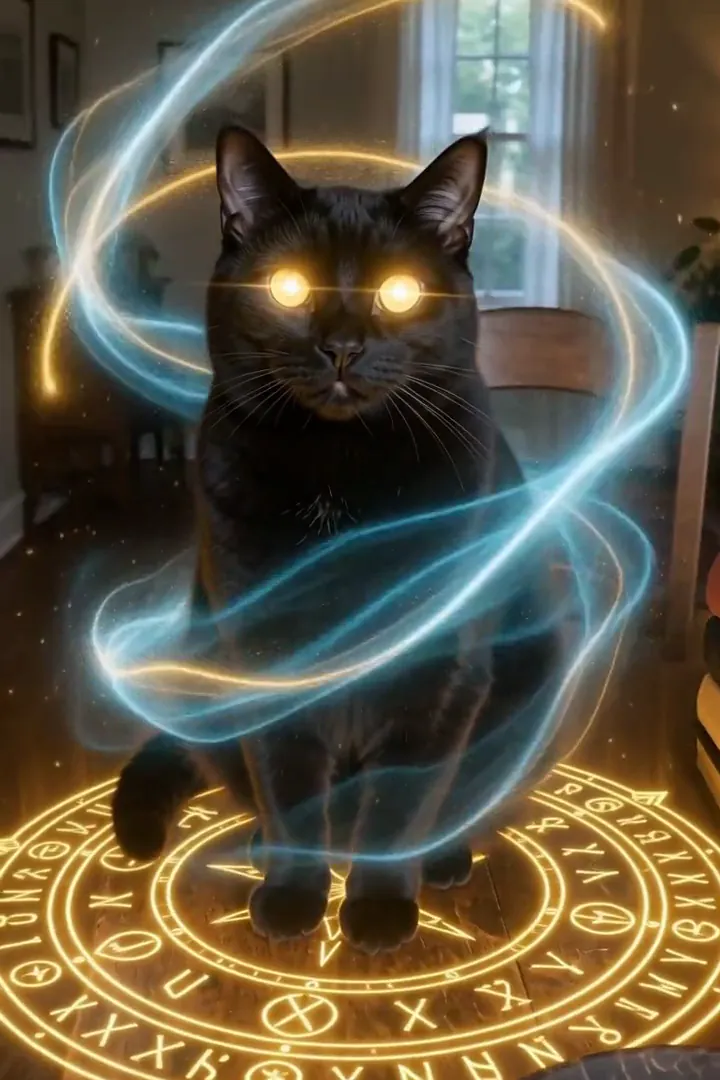 Wizard PetA glowing rune circle opens under your pet as ribbons of magic swirl around it.Try itNewRecreate
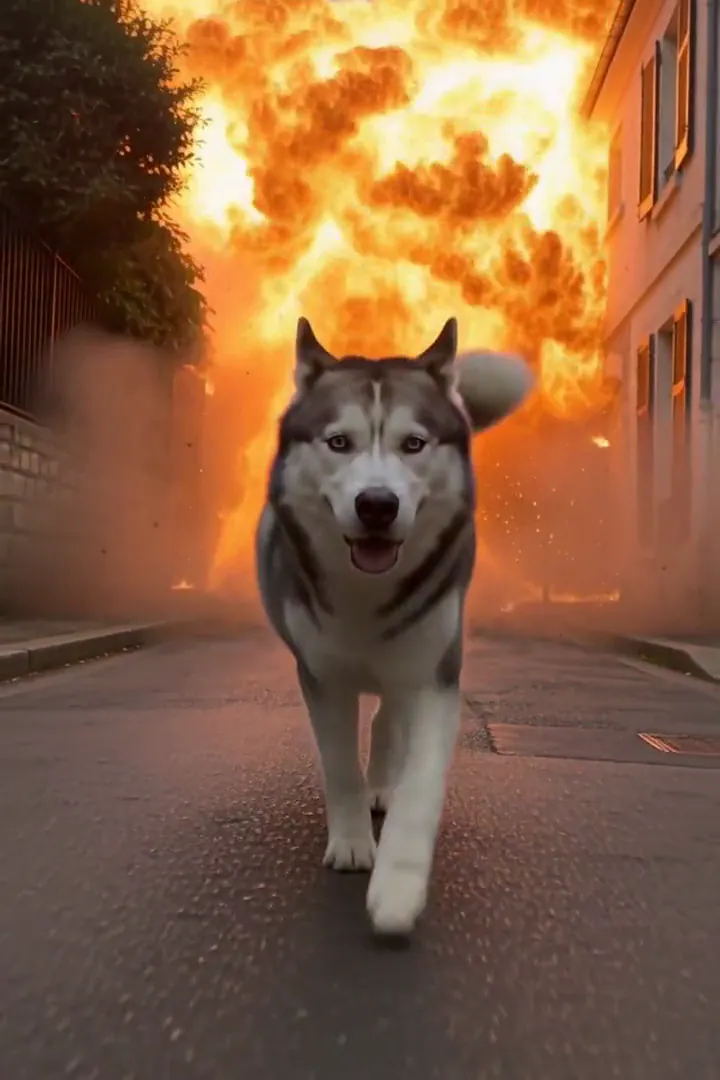 Action Hero PetYour pet walks toward the camera in slow motion as a fireball blooms behind it.Try itNewRecreate
 Rewind RushYou sit perfectly still while the busy street races past in fast reverse.Try itNewRecreate
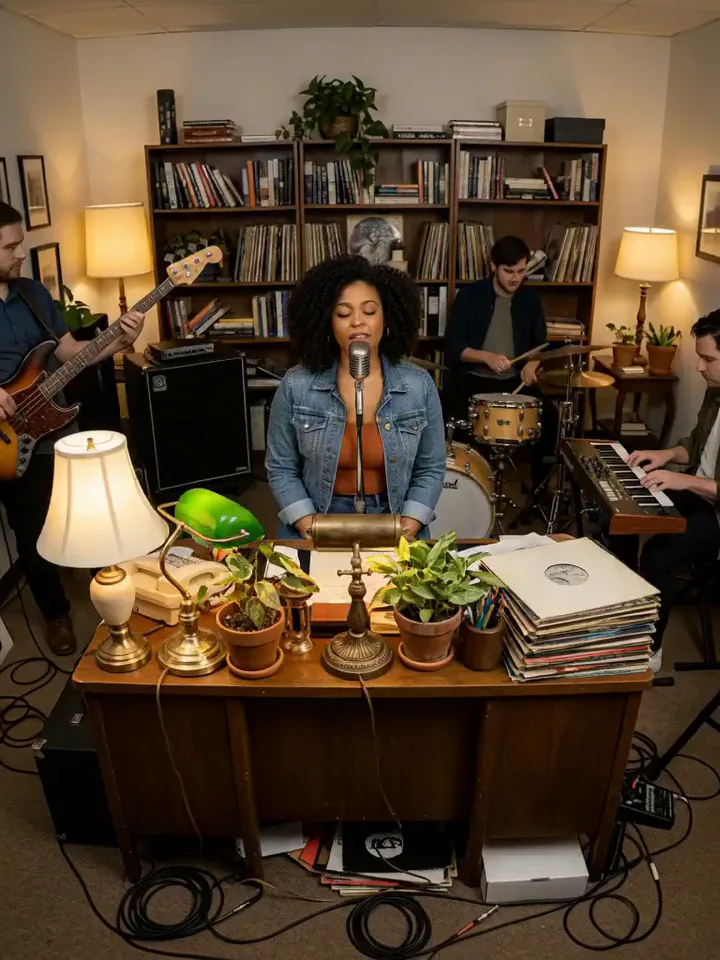 Desk concertYou play a live set squeezed behind an office desk, with a small band, bookshelves and warm lamps.Try itNewRecreate
 GTA 6–style loading screenYour photo repainted as bold loading-screen key art: neon sunset, palm trees and a cherry-red convertible.Try itRecreate

What the Levitation effect does
Levitation begins with the smallest evidence of floating: heels lift, toes follow, and the feet hang above the surface while the shadow remains below. Loose material rises around the calm figure, giving the air a little movement without turning the scene into a flying stunt.
The observed lift is modest, about half a meter to a meter. Choose this for a gentle suspended portrait, and keep the ground and bare feet or shoes in view so the change has a clear reference. The taller ascent described in the prompt is not the measured sample outcome. This is the cinematic edition of Levitate, using a five-second Kling 4.0 720p render centered on visible heel lift and a calm low hover.
How to use Levitation
- Show heel contact Upload a standing picture with the feet and some floor below them.
- Select the floating render Keep Kling 4.0, the default used for the courtyard and pier samples.
- Measure the visible gap Review the separation from the floor and the grounded shadow, expecting the restrained rise documented here.
Which photos work best for Levitation
Works well
- Full-length person with visible heels
- A clear floor and readable shadow
Avoid
- Feet cropped out at the ankles
- A seated pose with legs hidden behind furniture
Levitation examples


What we saw when we tested Levitation
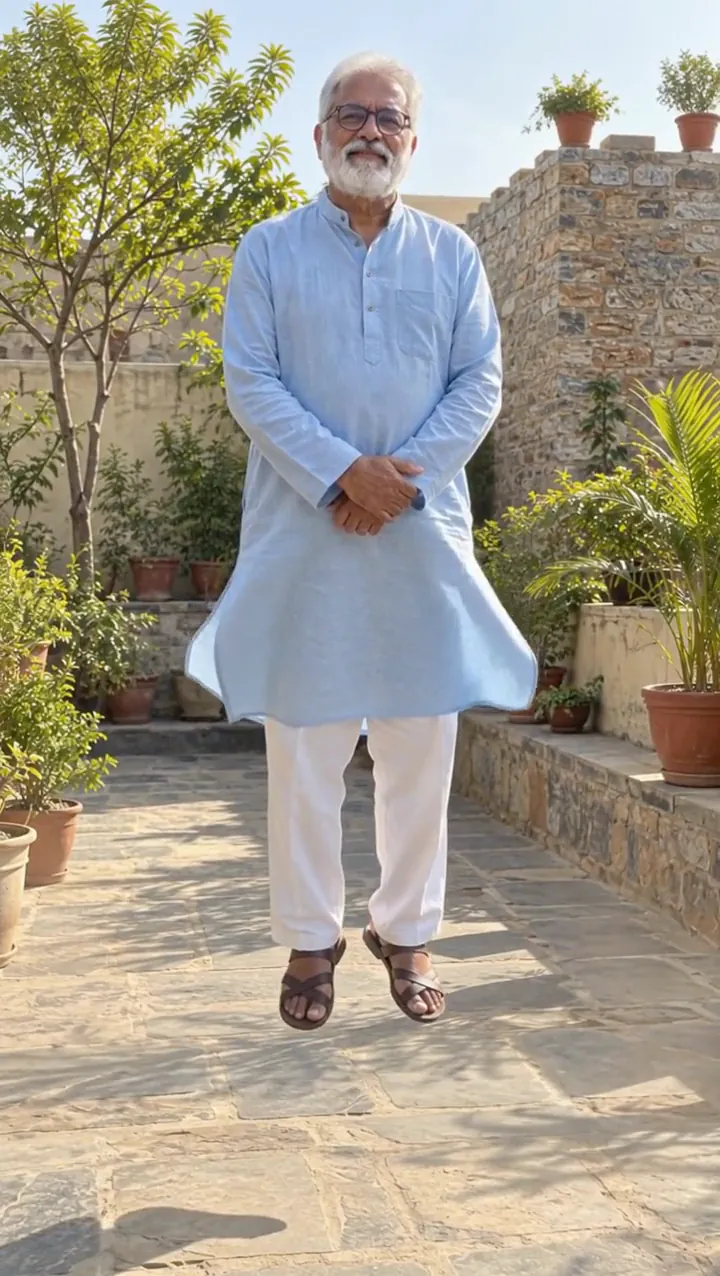
In our test runs, a man in his early 60s with a white beard and a pale blue kurta in a sunny stone courtyard. Heels then toes leave the ground, a ring of light ripples underneath and his shadow stays on the floor. The feet must be visible: the effect starts at the heels.
The comparison run shows a woman in her 50s with long grey hair and a linen dress, barefoot on a wooden pier. She rises calmly off the boards, a ring of light ripples on the pier and her shadow stays behind. The lift is about half a meter to a meter, calm rather than flying.
How Levitation does on each model
- Kling 4.0 (942 credits · about 6 min) Default; Kling 4.0 made the samples. 942 credits, with a typical render time of 318 seconds. The Levitation render includes generated sound; its page samples play muted.
- MiniMax H3 (185 credits · about 55 s) MiniMax H3 is cheaper at 185 credits and untested with this prompt; the sample behavior does not establish this tier’s result.
- Seedance 2.0 Mini · 480p (124 credits · about 2 min)
The prompt behind Levitation
The person levitates. Their heels lift, then their toes leave the ground, and they rise steadily straight up, ending about two meters above the ground with their feet hanging in open air and their shadow left behind on the ground below. Loose leaves, dust and small pebbles lift off the ground around them and drift upward in zero gravity; their clothes and hair float outward softly; a faint ring of light ripples on the ground beneath their feet. Their expression stays calm. Camera slowly tilts up to follow the rise. Same face, body and outfit; the surroundings stay rigid. One continuous shot, no cuts. No text, no logos.Tips for a better Levitation result
- Do not trim the photo at the knees; the opening heel movement carries the entire setup.
- A simple standing pose helps keep attention on the gap beneath the feet rather than a complicated action.
Levitation: questions and answers
How high did the calm floating samples actually rise?
The supplied observations describe roughly half a meter to a meter of lift, smaller than the two-meter height requested by the prompt.
Why does the camera need to see the heels first?
The movement starts at the heels before the toes leave the surface, making visible feet essential to the floating illusion.
Did a barefoot pier portrait work for levitation?
The second run raised a woman in a linen dress above the wooden boards while her shadow stayed on the pier.
Is this floating scene meant to show fast flight?
The recorded motion is calm and vertical, with a small lift rather than a rapid flight through the surroundings.
What should stay stable underneath the suspended figure?
A readable floor and the lingering shadow provide the visual separation that tells viewers the feet have left the ground.
Related effects and tools
- Levitate · Gravity switches off and everything starts to float.
- Balloon Lift · More and more balloons appear until they lift you up into the sky.
- Cloud Surf · The ground falls away and you surf across pink sunset clouds.
- Trim and arrange the Levitation scene